Mega Doctor News


Recognized as a continuing public health crisis, gun-related injuries and deaths continue to affect communities across the nation.
In 2024, approximately 44,000 people in the United States lost their lives to gun-related injuries, according to the Centers for Disease Control and Prevention (CDC)—one of the highest annual totals on record.
For every life lost, more than two individuals survive, according to the National Institute for Health Care Management, often living with severe and lasting physical injuries as well as emotional trauma.

“Gun violence is not just a headline—it is a heartbreak that echoes through families and communities,” says Tony De Luna, RN, BSN, Trauma Department Director, South Texas Health System (STHS) McAllen. “Beyond the immediate loss, it leaves lasting physical and emotional impacts on survivors and those who witness it, reinforcing the need for greater awareness and prevention.”
This National Gun Violence Awareness Month, the STHS Trauma & Critical Care Institute is joining Wear Orange, a national nonprofit dedicated to honoring the lives of those affected by gun violence and amplifying the voices of advocates working to end it—to raise awareness about firearm safety and prevention.
In recognition of National Gun Violence Awareness Day on Friday, June 6, 2026, employees across all 12 STHS facilities, including the STHS McAllen Level I Trauma Center team, will wear orange to honor victims of gun violence and promote gun safety awareness.
“We are committed to promoting safety, advancing awareness and honoring those whose lives have been impacted by gun violence,” says De Luna. “Together, we can build a stronger culture of prevention, compassion and shared responsibility throughout our communities.”
As part of its commitment to safety and community well-being, the STHS Trauma & Critical Care Institute offers the following gun safety strategies to help keep families and communities safe:
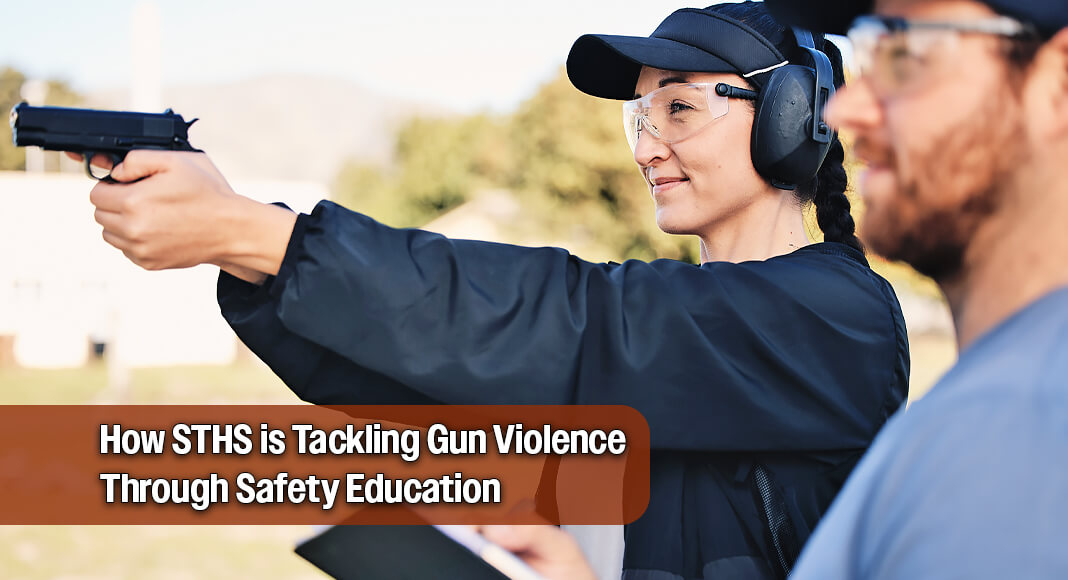
Practice safe gun use: If you own a firearm, it’s important to understand how to handle, load and clean it safely. Consider taking a gun safety class at a local gun store or shooting range to build confidence and proper technique.
Avoid alcohol and substances: Never use alcohol or other substances before or while handling a firearm. These can impair judgment and reaction time, increasing the risk of accidental injury.
Invest in safe gun storage: Proper storage is critical to preventing accidents. Two-thirds of accidental child gun deaths could be prevented with safe storage practices, according to the American College of Surgeons. Always store firearms unloaded and securely locked, with ammunition kept separately.
Store ammunition separately: To reduce the risk of misuse or accidental injury, store ammunition in a secure location separate from firearms.
Follow additional safety precautions: Take the time to understand and follow the safety guidelines specific to your firearm and any shooting activities you participate in.
Safely dispose of unwanted firearms: If you no longer want a firearm, dispose of it responsibly by contacting your local law enforcement agency about secure surrender programs, buy-back initiatives or approved donation options.
While gun violence has increased in recent decades, it’s important to recognize that it is preventable. Being aware of potential warning signs, such as a fixation on perceived insults, erratic behavior, expressions of paranoia or identification with individuals who have conducted past acts of violence, can help individuals take action and seek support before a tragedy occurs.
For more information on gun violence prevention and safe storage practices, visit BeSMARTforKids.org.
The STHS Trauma & Critical Care Institute, comprised of 11 emergency rooms across the region, including STHS McAllen’s Level 1 Trauma Center, forms the largest integrated network of emergency care in the Rio Grande Valley. For more on the Level 1 Trauma Center at STHS McAllen, visit STHSMcAllen.com.