







Mega Doctor News

By Johns Hopkins Medicine

As families gear up for backyard barbecues, fireworks displays and other Fourth of July celebrations, safety should be part of the preparation. Alejandro Garcia, M.D., pediatric surgeon and director of the Pediatric Burn Program at Johns Hopkins Children’s Center, is reminding parents that many holiday injuries are preventable with a few simple precautions.
“Every Fourth of July, we see children with serious burn injuries that can lead to pain, surgery, scarring and lasting emotional trauma,” says Garcia. “Many of these injuries happen in just a few seconds, and often involve activities families assume are safe.”

Garcia shares four common holiday hazards and how parents can help prevent them:
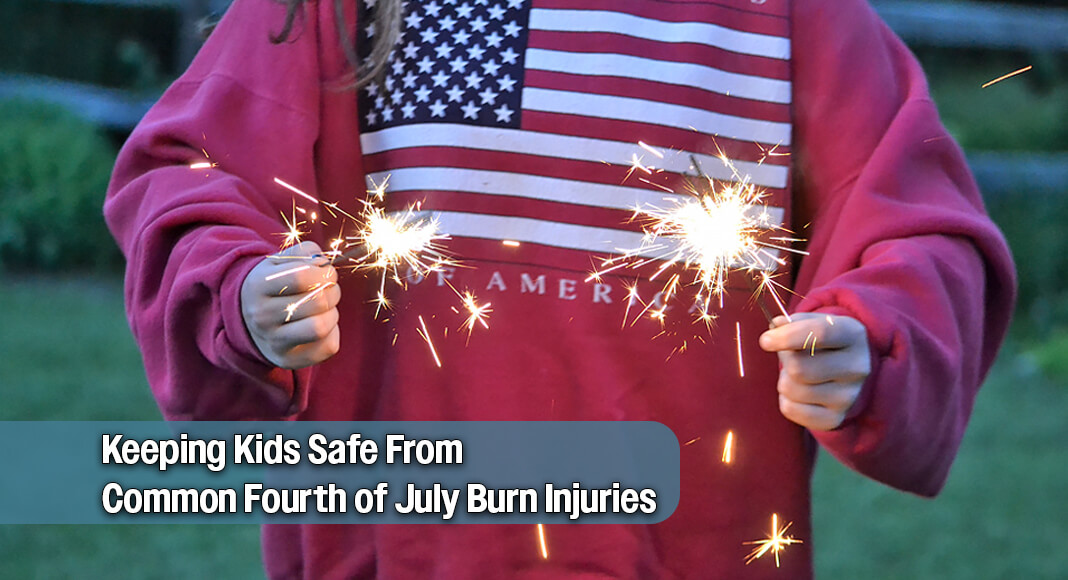
- Sparklers Are Not Toys
Sparklers may seem like a kid-friendly alternative to fireworks, but they can reach temperatures of more than 1,000 degrees Fahrenheit — hot enough to cause severe burns in an instant. Young children should never handle sparklers. Older children and teens should only use them with close adult supervision, and should keep them away from faces, clothing and hair.
- Fire Pits and Grills Remain Dangerous Long After the Flames Are Out
Children should be kept a safe distance from grills, fire pits and campfires, even after the fire appears extinguished. Embers and metal surfaces can remain hot for many hours, and may cause serious burns if a child touches or falls into them. Garcia recommends creating a “kid-free zone” of at least 3 feet around grills and fire pits and thoroughly cooling embers with water before leaving the area unattended.
- Tabletop Fire Pits and Indoor S’mores Makers Pose Hidden Risks
Portable tabletop fire pits and indoor s’mores makers are becoming an increasingly common source of pediatric burn injuries. Many require rubbing alcohol or other accelerants for ignition. Adding fuel to a lit or recently extinguished device can result in flash fires or explosions. Children should never operate these devices, and adults should carefully follow manufacturer instructions and avoid refueling near flames.
- Leave Fireworks to the Professionals
Consumer fireworks are one of the leading causes of serious hand, face and eye injuries during the Fourth of July holiday. Even fireworks that appear to malfunction can reignite unexpectedly. Families are safest attending community fireworks displays rather than using fireworks at home.
If a burn occurs, Garcia advises immediately cooling the area with cool (not ice-cold) running water for about 20 minutes, removing any jewelry or restrictive clothing near the injury, and seeking medical attention for burns involving the face, hands, feet, genitals or large areas of the body.
“Most pediatric burn injuries are preventable,” says Garcia. “A few extra precautions can make the difference between an enjoyable holiday celebration and a trip to the emergency department.”
Information source: Johns Hopkins Medicine


