








Hold the Salt to Help Your Heart

Translate to Spanish or other 102 languages!

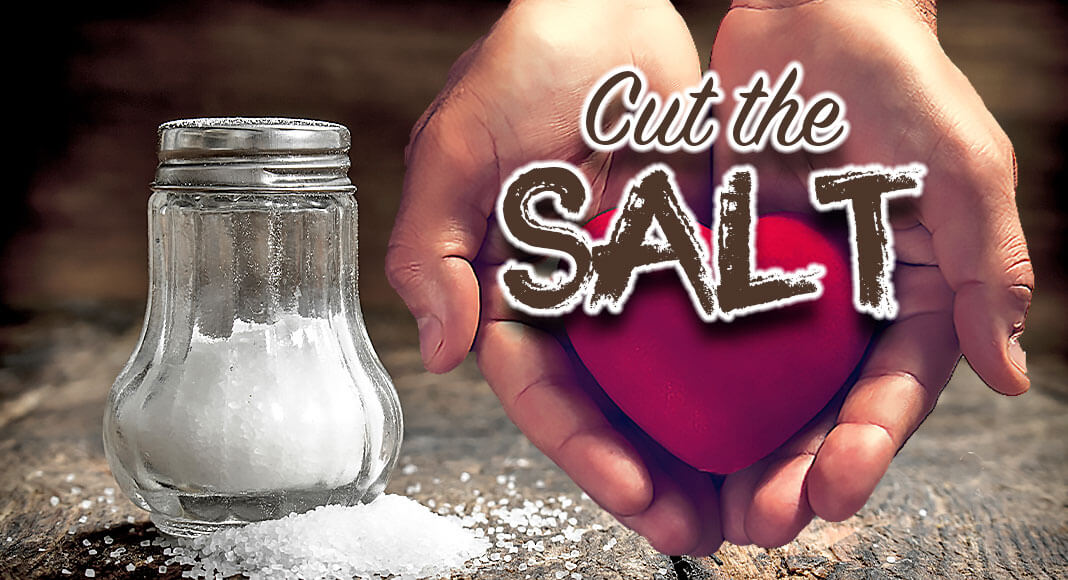
The Food and Drug Administration outlined new, voluntary guidelines to lower sodium levels in food. But those with high blood pressure or who are at risk for heart disease may want to consider simply saying no to sodium. Image for illustration purposes

Mega Doctor News

- Advertisement -

 MAYO CLINIC – The Food and Drug Administration outlined new, voluntary guidelines to lower sodium levels in food. But those with high blood pressure or who are at risk for heart disease may want to consider simply saying no to sodium. 

The FDA recommendations, rolling out gradually over the next 2½ years, would steer daily sodium intake from 3,400 to 3,000 milligrams ― still higher than the 2,300 milligrams recommended by health experts. Dr. Amy Pollak, a Mayo Clinic cardiologist, says a majority of salt intake in U.S. diets comes from processed or prepared foods.

Sprinkling salt can add flavor to food, but too much can raise our blood pressure too high.

- Advertisement -

“Having high blood pressure is a major risk for heart attack, for stroke, for heart failure ― even for things like dementia,” says Dr. Pollak.

Curbing salt use at the dinner table or when going out to eat can reduce blood pressure by up to 10 points.

“If you go out to eat and someone is preparing your food, just ask them, ‘Hey, don’t add any salt to my food, please,'” says Dr. Pollak.

When it comes to cooking at home, try adding more herbs, spices or sodium-free flavorings to replace salt.

- Advertisement -

“It takes a while to reset your taste buds to get used to that lower-salt diet, but you can really make up for any flavor deficits by using more spices or more herbs,” says Dr. Pollak.

Maintaining a healthy weight or losing weight can lower your blood pressure.

“Certainly, some people can have a more dramatic effect on blood pressure with weight loss, but where you can see the most bang for your buck is really in the low-salt diet,” says Dr. Pollak.


- Advertisement -
- Advertisement -

- Advertisement -

More Articles

STHS GME Consortium Receives Reaccreditation for Internal Medicine Program

Trained to diagnose challenging medical issues, coordinate comprehensive treatment plans and emphasize prevention, internal medicine physicians are uniquely positioned to improve health outcomes across the lifespan.

Returning STC Student Wins Prestigious Scholarship

Five years after walking away from college unsure if she would ever return, South Texas College Occupational Therapy Assistant (OTA) student Abagil Peña took a chance on starting over, a decision that has led her to a new career path and recognition as one of 200 students nationwide, and the only in the Rio Grande Vally, to receive the 2026 Chime Workforce Scholarship.

How Walking Boosts Colorectal Cancer Recovery

Consistent physical activity—especially walking—can reduce fatigue and improve quality of life for colorectal cancer survivors, according to a study led by Cedars-Sinai Health Sciences University investigators.

Why Family Dinners Are Worth the Effort

Between sports and other after school activities, having dinner as a family can sometimes feel like a challenge.
- Advertisement -
