








Why You Should Wash Your Fruits and Vegetables

A registered dietitian explains why it's important to wash your fruits and vegetables before eating them, and what's the best method to get them clean.

Translate to Spanish or other 102 languages!

Czerwony said the most common bacteria found on fruits and vegetables include salmonella, E. coli and listeria – all of which can make you very sick. Image for illustration purposes
- Advertisement -

CLEVELAND CLINIC – There are plenty of fruits and vegetables in season right now, and they can be a great addition to any meal.

But, before you take that first bite, it’s important to wash them first.

“It’s really important that you wash them ahead of time because for example, if you are cutting up a melon, it’s got a hard rind and you’re not necessarily going to eat that, but if there is bacteria or pesticides on the outside of that rind, it’s going to get transferred into the flesh of that fruit through that knife,” said Beth Czerwony, RD, registered dietitian for Cleveland Clinic.

- Advertisement -

Czerwony said the most common bacteria found on fruits and vegetables include salmonella, E. coli and listeria – all of which can make you very sick.

Common symptoms include nausea, vomiting and diarrhea. In severe cases, you could be hospitalized.

So, what is the best way to wash your fruits and vegetables?

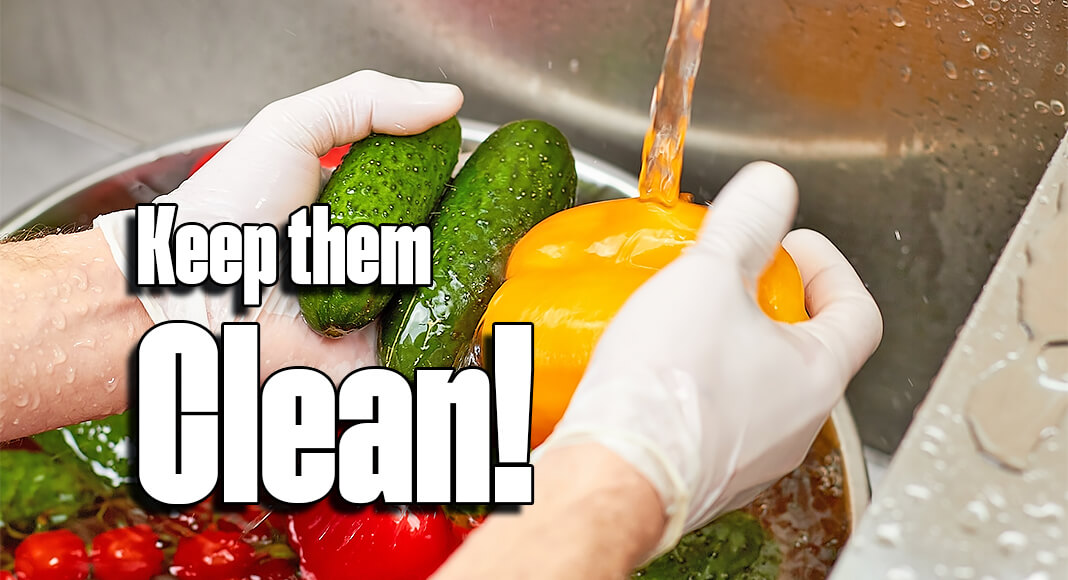
She recommends simply running them under cold water. If there’s some dirt, you could use a brush.

- Advertisement -

You don’t want to wash the fruits and vegetables right after you buy them, either.

It’s best to do it right before you plan to use them, that way it doesn’t impact the texture or flavor.

“There’s necessarily no need to soak it in vinegar. I’ve seen some recommendations for baking soda,” said Czerwony. “Of course, there’s some commercial products that some people like to use to kind of get the wax or potential pesticides off the fruits and vegetables, and that’s certainly your own personal preference. But, usually just running water is going to be the best way.”

She also suggests removing any bruised or damaged areas from the fruit or vegetable ahead of time to help preserve their shelf life.


- Advertisement -
- Advertisement -

- Advertisement -

More Articles

12 Summer Safety Tips for Families from Johns Hopkins Experts

While parents are busy preparing for summer vacations and pool days, it’s important to also plan for how you will keep your kids safe this summer. Water accidents, sunburns, dehydration and head/neck injuries are some of the most common concerns pediatricians see during the summer.

Avoid These Common Grilling Blunders This Weekend

If you’re planning to grill out for Memorial Day or really any day this summer, it’s important to make sure you’re practicing food safety.

The Risks of Supplement Overload

With so many supplements being promoted on social media these days, it can be tempting to want to try them all. However, taking too many can be unsafe.

DSHS Confirms First West Nile Case in Texas in 2026

The Texas Department of State Health Services is reporting this year’s first case of West Nile illness in a resident of Harris County. Health officials confirmed the resident was diagnosed with West Nile virus neuroinvasive disease. 
- Advertisement -
