








Why You Should Toss Your Toothbrush After Being Sick

Translate to Spanish or other 102 languages!

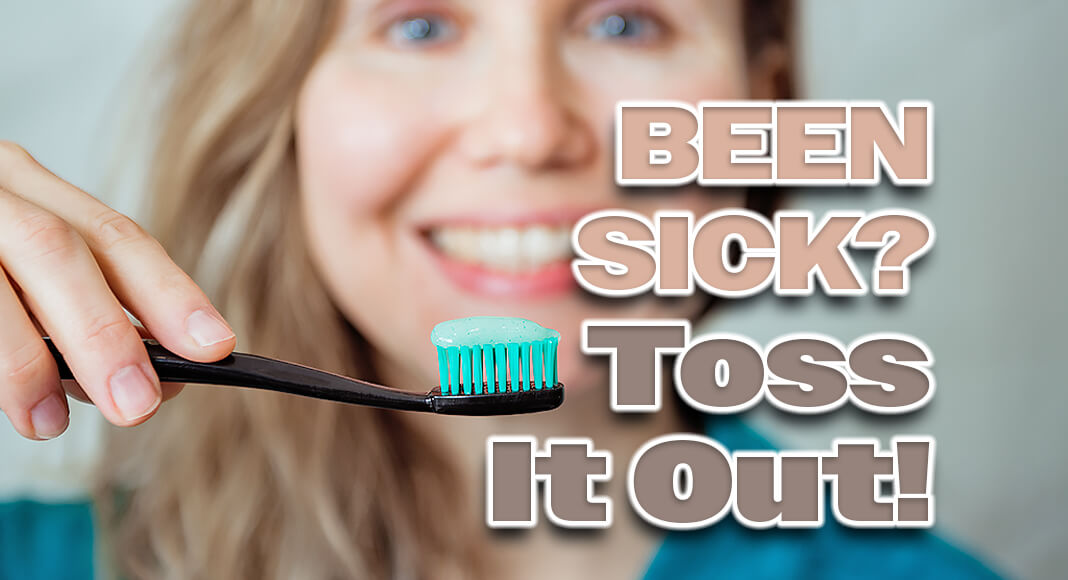
If you’re one of the many out there finally getting over a stubborn cold or the flu, you may want to consider tossing your toothbrush. Image for illustration purposes
- Advertisement -

CLEVELAND CLINIC – If you’re one of the many out there finally getting over a stubborn cold or the flu, you may want to consider tossing your toothbrush. 

“Frankly, most healthy people are probably at a very low risk of reinfecting themselves from something they’ve already really built an immunity to,” said Anne Clemons, DMD, dentist at Cleveland Clinic. “But it’s kind of one of those maybe it’s better safe than sorry. It can’t hurt.”

Dr. Clemons said toothbrushes should be thrown away every three to four months, or sooner if the bristles are starting to fray. 

- Advertisement -

The same goes for electric toothbrushes. 

Some other ways to help prevent the spread of germs include keeping toothbrushes stored separately in the bathroom and making sure everyone in the house has their own toothpaste. 

Dr. Clemons notes that whether you’re sick or not, it’s important to maintain good oral hygiene. 

She recommends brushing your teeth at least twice a day and flossing. 

- Advertisement -

And if you like mouthwash, using that too. 

“The mouth is connected to your whole body. We can’t just kind of separate it and put it over here. If there’s inflammation or other disease happening in the mouth, it doesn’t just stay in the mouth,” she said. “We’re still learning more and more in general in medicine, but in dentistry as well, how those little things, maybe a little bit of gum inflammation, may affect your body in big ways. But it’s all connected, so the cleaner and healthier your mouth is, the better and healthier you are overall.”

Dr. Clemons adds sometimes when people are sick, they may crave more sugary foods and drinks, which isn’t great for our teeth. 

So, it’s best to try and avoid that. 

And if you need cough drops, go for the sugar-free kind. 

- Advertisement -
- Advertisement -

- Advertisement -

More Articles

FDA Approves Expanded Use of Kidney Cancer Treatment Rooted in UTSW Discovery

Belzutifan, a first-in-class drug that arose from scientific discoveries at UT Southwestern Medical Center, has been approved by the Food and Drug Administration to treat some patients with earlier stage kidney cancers in combination with an immunotherapy drug. This move marks the latest expansion of belzutifan’s indications after it was originally approved in 2021.

STHS to Raise Awareness of PTSD in Latest South Texas Healthy Living Episode, June 28th

If you’re experiencing intrusive, distressing memories or feeling constantly on edge following a traumatic event, you may be living with post-traumatic stress disorder (PTSD) and you’re not alone. 

STHS Highlights Life-Saving Habits for Men

While men face unique health challenges, experts say routine preventive care, healthy lifestyle habits and early intervention can significantly improve health outcomes and overall quality of life.

Health Experts Issue Comprehensive Roadmap to Reduce Kids’ Sugar Intake

American children consume more than double the recommended amount of added sugars each day, contributing to rising rates of childhood obesity, type 2 diabetes, and other chronic health conditions.
- Advertisement -

