








Why You Should Not Skip Routine Checkups 

Translate to Spanish or other 102 languages!

CLEVELAND CLINIC – Many people put off routine checkups with their doctors during the pandemic, which is understandable. 
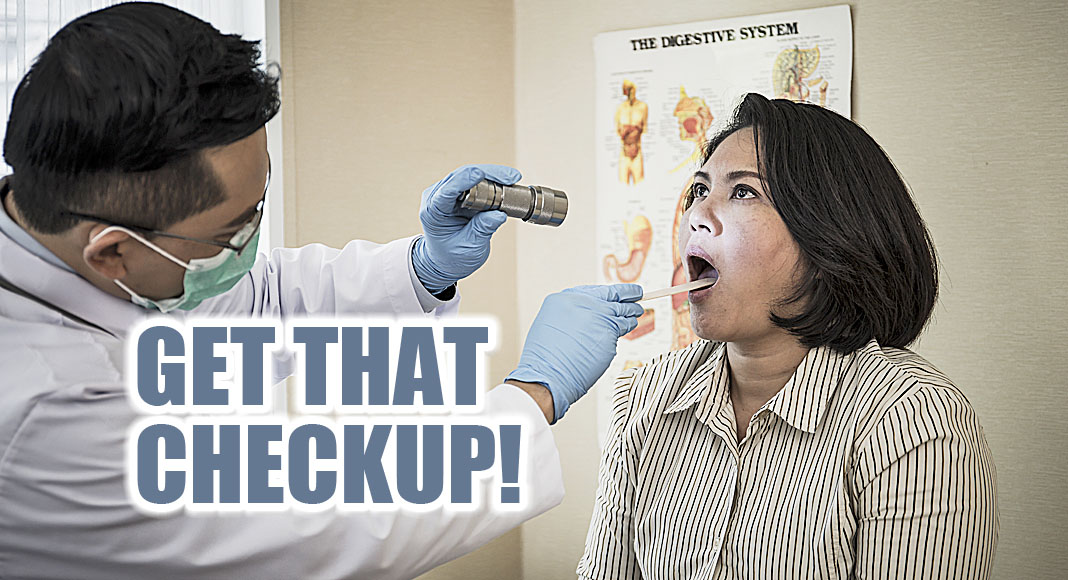
However, now that COVID cases are dropping, it’s important to make sure you schedule those appointments. Image for Illustration purposes
Many people put off routine checkups with their doctors during the pandemic, which is understandable. However, now that COVID cases are dropping, it’s important to make sure you schedule those appointments. Image for Illustration purposes

Mega Doctor News

- Advertisement -

CLEVELAND CLINIC – Many people put off routine checkups with their doctors during the pandemic, which is understandable. 

However, now that COVID cases are dropping, it’s important to make sure you schedule those appointments. 

“The whole point of screening, which is what we do a lot of in primary care, is to make sure we catch things early while there is still a chance to do something about it. And in the best case scenario, we can prevent illness,” explained Donald Ford, MD, Chair of Family Medicine at Cleveland Clinic. 

- Advertisement -

Dr. Ford said routine checkups typically consist of a physical exam, reviewing your medical history, updating your prescriptions and discussing any other issues you might have. 

They also make sure you are up-to-date on all of your immunizations. 

The same goes with cancer screenings, like mammograms and colonoscopies, which some people chose to delay as well during the pandemic. 

Dr. Ford said a good tip to keep in mind before you go in for a routine checkup is to know your family history. That information can help them determine what kind of care you may need. 

- Advertisement -

“It does help us do what we call risk stratification. So, if there is a family history of a disease that we know is something that can be communicated genetically, then we may put you at a higher level of risk and actually start screening earlier. An example of this would be colon cancer,” said Dr. Ford. 

And even though COVID cases are declining, Dr. Ford continues to encourage vaccinations and getting the booster shot if you are due for one. 

- Advertisement -
- Advertisement -

- Advertisement -

More Articles

DHR Health Transplant Institute Earns Top State and National Rankings

The DHR Health Transplant Institute announced today that it has been recognized among the state’s and nation’s top performing kidney transplant centers, earning the no. 2 ranking in the State and no. 16 ranking in the Nation, according to the Scientific Registry of Transplant Recipients (SRTR).  

New Noninvasive Tech Tracks Infant Vital Signs Without Wires

In the neonatal intensive care unit, the most fragile patients in medicine are often the most heavily wired. Premature babies, some weighing less than a pound, can be tethered to a tangle of cables, monitors, and sensors. Each blood draw to check sugar levels or electrolytes means another needle, another bandage, another moment of stress for an infant whose skin is still forming.

STHS McAllen Receives National Award for Advancing Cardiac Arrest Care & Improving Patient Survival

In the moments following cardiac arrest, every second counts. Rapid intervention, seamless teamwork and evidence-based care can make the difference between life and death.

The Truth About Hot Dogs and Your Health

July is National Hot Dog Month. Reports show Americans eat roughly 20 billion hot dogs every year. While they’re okay to have on occasion, they shouldn’t be a regular part of your diet.
- Advertisement -

