







Mega Doctor News

Newswise — Delayed checkups and routine screenings due to COVID-19 have been common.
Fear of catching the virus, even in medical facilities where strict COVID-19 safety measures are being followed, has many people putting off important in-person doctor’s appointments—including the kids’ pediatrician appointments—indefinitely. Some children also are missing out on vision screenings at school amid virtual learning.
Doctors are very concerned about the potential outcomes of later diagnoses of serious health conditions, including those that can affect eye health. Your child’s preschool vision screenings, especially, should not be skipped during COVID-19.


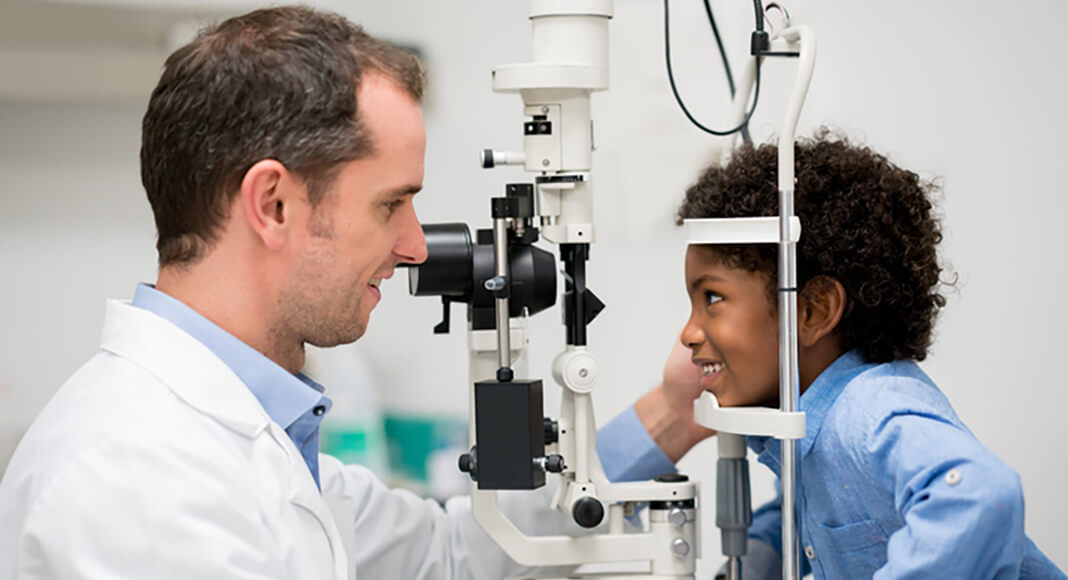
“All children should have their eyes checked by their pediatrician at regular intervals, even if they don’t have any symptoms,” says Samantha Feldman, M.D., a pediatric ophthalmologist at the Krieger Eye Institute (KEI). “Part of the reason that vision screening is so important is because it gives us the opportunity to detect and treat patients that otherwise may be at risk of permanent and lifelong visual disability.”
Screening is crucial because your child may not be able to describe vision problems to you. “They might not even know their eyesight isn’t normal because it might be normal for them,” Feldman says. “So, it’s really important to get these screenings done to find the problems that could be easily missed.”
It’s important to pick up on the early signs of vision problems before children become teenagers and adults, as problems in developing eyes may still be correctable in the first five to seven years of life.
If a pediatrician thinks your child has a vision problem, they will refer the child to a pediatric ophthalmologist for further testing. Kids should be referred to an ophthalmologist if they show signs of misaligned eyes (strabismus), refractive errors (myopia, hyperopia, astigmatism) that can lead to poor vision (amblyopia), certain systemic diseases and a family history of eye disease, among other problems.
Medical offices have implemented COVID-19 protocols to keep patients as safe as possible during in-person visits, like taking patients’ temperatures and asking screening questions about their symptoms before they enter the office area, as well as spacing out seats in waiting areas for social distancing purposes. At KEI, everyone in the office wears masks, washes/sanitizes their hands and cleans all equipment between patient visits.
If it will help you feel more comfortable, you can contact your doctor’s office and ask about safety procedures they have in place prior to making an appointment. You should notify your healthcare provider if you think you have COVID-19 and follow their instructions. Continue to practice safety measures such as covering your mouth and nose with a mask; not touching your eyes, nose and mouth; staying at least six feet away from others while inside and in lines; and using touchless payment methods if possible.


