








Why Blood Donations are Needed Year-Round

Translate to Spanish or other 102 languages!

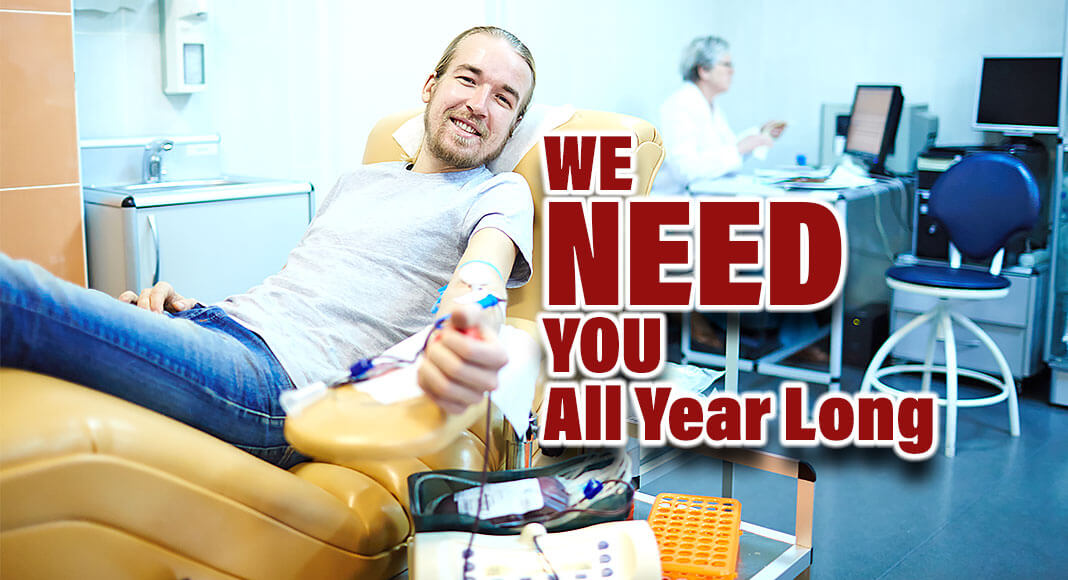
According to the Red Cross, every two seconds someone in the United States needs blood or platelets. The most common type of blood requested by hospitals is type O.  Image for illustration purposes
According to the Red Cross, every two seconds someone in the United States needs blood or platelets. The most common type of blood requested by hospitals is type O. Image for illustration purposes

Mega Doctor News

- Advertisement -

CLEVELAND CLINIC – If you have never donated blood before, it’s worth considering.

As Thomas Waters, MD, emergency medicine physician with Cleveland Clinic explains, hospitals are always looking to increase their supply.

“Blood that is donated can be used for surgical patients who are undergoing surgery, for trauma patients who’ve had a significant injury or patients with other medical conditions that might require a transfusion,” explained Dr. Waters.

- Advertisement -

According to the Red Cross, every two seconds someone in the United States needs blood or platelets. The most common type of blood requested by hospitals is type O.

For those who’ve never donated, the blood donation process is relatively simple.

First, you’ll complete a donor registration, then go over your health history and do a mini physical. From there, a medical professional will hook you up for the blood draw, which typically takes eight to 10 minutes.

If you’re donating plateletsred cells or plasma, it can take up to two hours.

- Advertisement -

Dr. Waters has some advice for those who may be nervous to donate.

“There are a lot of people out there who are afraid of needles, so understandable it can be a scary event to undertake,” he said. “But it is safe, it’s very simple, it’s relatively painless, you’ll feel a little pinch. It only takes a few minutes and again it can be life-saving for someone who needs a transfusion.”

To find a blood drive near you, you can call your local hospital or visit the Red Cross website.

- Advertisement -
- Advertisement -

- Advertisement -

More Articles

Study Finds Simple Urine Test Outperforms MRIs in Cancer Tracking

A new urine test performed better than PSA-based testing and MRI for monitoring low-risk prostate cancers on active surveillance. Use of the test to determine the need for repeat “monitoring” biopsies would have avoided up to 64% of unnecessary biopsies while maintaining timely detection of higher-grade cancers that merit treatment, according to a study published in The Journal of Urology.

Why 8 Glasses of Water a Day Might Be a Myth

Have you ever wondered how much water you should drink each day? Turns out, there’s no one-size-fits-all answer.

USDA “Real Food First” Rule Doubles Stocking Requirements for SNAP Retailers

The U.S. Department of Agriculture (USDA) published the final rule regarding stocking standards for retailers participating in the Supplemental Nutrition Assistance Program (SNAP), ensuring a broader variety of nutritious food is available to SNAP participants at authorized retailers across the country.

Why Older Adults are Choosing Edibles Over Pills

For adults over 60, cannabis use is increasing faster than in any other demographic.
- Advertisement -

