








loader image
Thursday, December 18, 2025
60.9 F
McAllen
- Advertisement -

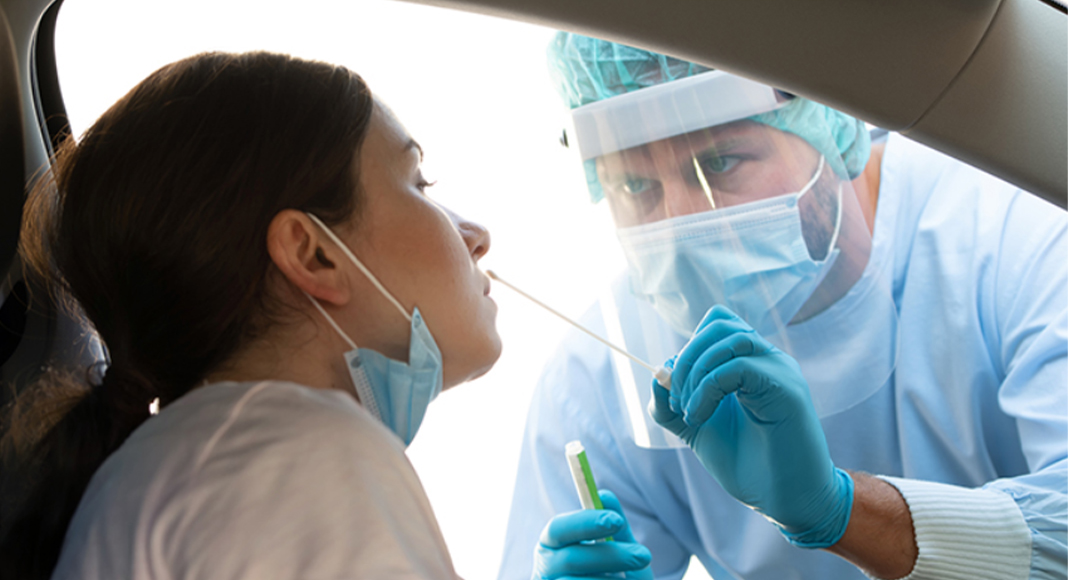
Who should get tested

Translate to Spanish or other 102 languages!

Mega Doctor News

- Advertisement -

Not everyone needs to be tested

•       People who have symptoms of COVID-19.

•       People who have had close contact (within 6 feet of an infected person for a cumulative total of 15 minutes or more over a 24-hour period) with someone with confirmed COVID-19.​​

- Advertisement -

•       People who have taken part in activities that put them at higher risk for COVID-19 because they cannot socially distance as needed, such as travel, attending large social or mass gatherings, or being in crowded indoor settings.

•       People who have been asked or referred to get testing by their healthcare provider, localexternal icon or state health department.

If you do get tested or take an at-home test because you have COVID-19 symptoms or have had a close contact with someone who has it, you should self-quarantine at home pending test results and follow the advice of your healthcare provider or a public health professional.

- Advertisement -
- Advertisement -

- Advertisement -

More Articles

DHR Health Awarded Large Employer of the Year by Texas Workforce Commission

Workforce Solutions Lower Rio Grande Valley (WFS) proudly announced that its nominee, DHR Health, has been awarded the Large Employer of the Year Award at the 28th Annual Texas Workforce Commission (TWC) Conference.

3D-Printed Models Improve Precision in Cancer Surgery

Using custom 3D-printed models to plan head and neck cancer surgeries increased precision, achieving complete tumor removal in 92% of cases with bone invasion in a recent study published by The Ohio State University Comprehensive Cancer Center – Arthur G. James Cancer Hospital and Richard J. Solove Research Institute (OSUCCC – James).

Hope and Healing for the Tiniest Bundles of Joy

Ethan was one of the approximately 400,000 premature births that occur in the United States every year.* Babies born prematurely – especially before 32 weeks – have higher rates of challenges like breathing and feeding problems, developmental delays and hearing and vision problems.*

Texas A&M AgriLife Awarded $2.1M to Improve Women’s Heart Health

A Texas A&M AgriLife researcher was awarded $2.1 million from the National Heart, Lung and Blood Institute to help rural Texas women take charge of their heart health through evidence-based nutrition, physical activity and community engagement strategies.
- Advertisement -
×


