
Mega Doctor News

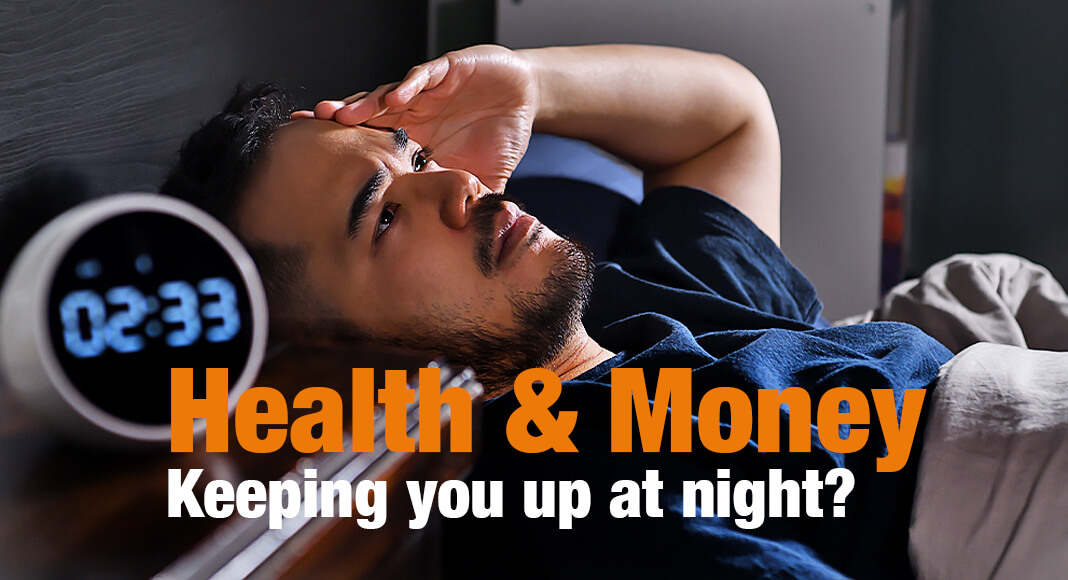
Newswise — Nearly 90% of Americans have lost sleep at night due to worries about the economy and health, according to a new survey from the American Academy of Sleep Medicine. Finances are cited as a worry that has caused lost sleep in 87% of people, including one-fifth of the population who “almost or almost always” lose sleep worrying about money. Worries about health have kept 86% of Americans up at night, and 65% have lost sleep due to concerns about the COVID-19 pandemic.
“The current state of the economy and financial uncertainty, along with health concerns and the ongoing pandemic, are enough to keep anyone up at night,” said Dr. Anne M. Morse, a member of the AASM Public Awareness Advisory Committee. “These stressors can lead to anxiety, which can raise your heart rate and body temperature, making it harder to achieve quality sleep.”
For many people, thoughts tend to go toward the negative when night arrives, and they finally lie down to sleep. To combat these negative thought patterns and temporary stressors, the AASM recommends the following tips to get a better night of sleep.

• Keep a regular sleep schedule – Even if your bedtime or wake time has changed due to the pandemic, try to get at least seven hours of sleep by going to bed and getting up at the same time every day, including weekends and holidays.
• Create a peaceful sanctuary – Keep outside noise and distractions to a minimum by making your bedroom quiet, dark and a little bit cool – and only use the bed for sleeping, not watching TV or reading.
• Follow a relaxing nightly routine – With all the unrest in the world, it’s essential to schedule at least 30 minutes to unwind before bed. Consider developing a relaxing nightly routine, which may include reading, meditating or taking a warm bath or shower.
• Reduce time with social media or the news – Minimize your exposure to stress-inducing news and social media chatter near bedtime to avoid dwelling on new stressors before sleep.
• Try journaling before bed – Writing down what’s on your mind can be a great way to bring you calmness and a sense of control. Release worries and stress from the day on paper, so you’re not holding on to unwanted thoughts when you get into bed.
“While proper sleep hygiene may help disrupt the pattern of sleepless nights and stressful days, those who continuously experience sleeplessness should seek help from the sleep team at an AASM-accredited sleep center,” said Dr. Morse.
Download these 2022 AASM Sleep Prioritization Survey results at aasm.org. To learn more about the importance of healthy sleep, visit SleepEducation.org.\
About the Survey
The American Academy of Sleep Medicine commissioned an online survey of 2,010 adults in the U.S. The overall margin of error fell within +/- 2 percentage points with a confidence interval of 95 percent. Fieldwork took place between Feb. 17-24, 2022. Atomik Research is an independent market research agency.
About the American Academy of Sleep Medicine
Established in 1975, the AASM advances sleep care and enhances sleep health to improve lives. The AASM has a combined membership of 11,000 accredited sleep centers and individuals, including physicians, scientists and other health care professionals who care for patients with sleep disorders. As the leader in the sleep field, the AASM sets standards and promotes excellence in sleep medicine health care, education and research (aasm.org).