








Mega Doctor News
CLEVELAND CLINIC – The American Academy of Pediatrics updated its guidelines for screentime. Rather than setting specific limits, there’s now a bigger emphasis on promoting educational content and prioritizing family time.
“I think it really is an important message. We’re not just focused on the amount of time that’s being used but how is that time being used and then what can we do in place of that,” said Kate Eshleman, PsyD, psychologist at Cleveland Clinic Children’s. “So, looking at and emphasizing the time together as a family and really supporting and promoting those family interactions.”
Dr. Eshleman said research has shown that when a child has too much screen time, it can impact their mood, how they learn and even their relationships with others.

They may also not be getting enough physical activity.
She knows it can be hard in this day and age to avoid screen time altogether, which is why it’s important to find a healthy balance.
For example, maybe you let your child play on their tablet when they first get home from school and then you do something as a family.
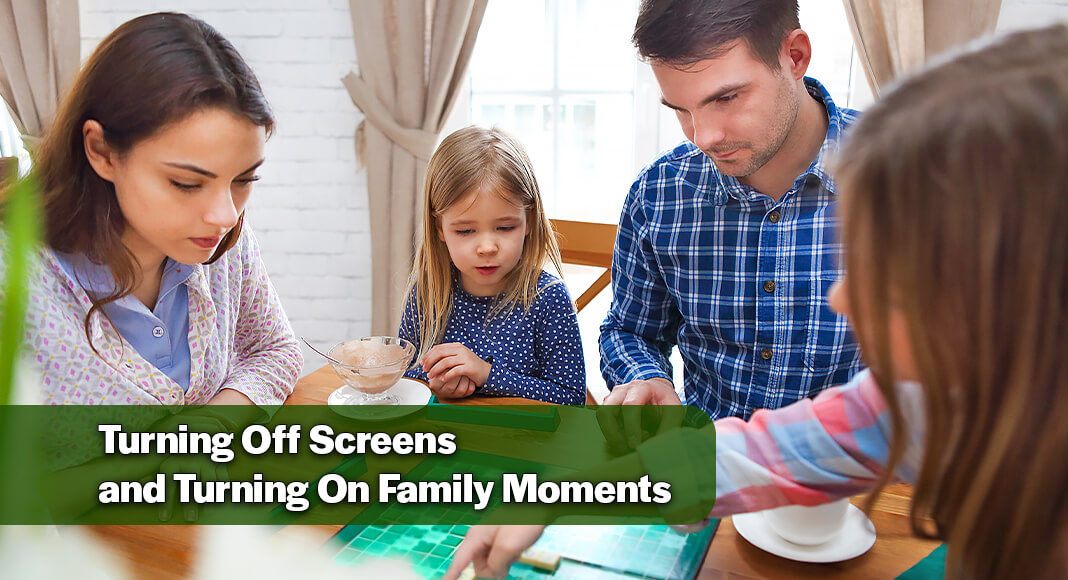
Ideas include reading together, going for a walk or playing a game.
“I think it’s very important that we as parents are realistic with our time. There are only so many hours in a day and we need to give ourselves and our kids some grace. Sometimes we do just need a little down time, and so if the child just needs some TV time, or if the parent just needs the child to have some time where they are occupied, it’s important to give yourself grace. And hopefully that’s the exception and not the rule,” Dr. Eshleman said.
Dr. Eshleman said if you are planning to scale back your child’s screen time, know there could be some resistance at first, which is normal.
What matters is that you stay firm.


