








Mega Doctor News
By Deb Balzer Mayo Clinic News Network
You may be familiar with high-density, or good cholesterol; low-density lipoproteins (LDL), or bad cholesterol; and their connections to heart health. But what about triglycerides? Often that word gets skimmed over when talking about cholesterol levels.
Dr. Regis Fernandes, a Mayo Clinic cardiologist, says triglycerides provide the body with energy from food. High levels can indicate signs of other conditions, like diabetes or prediabetes, that can increase the risk of heart disease and stroke.

Triglycerides, the main kind of fat in your body, store extra energy from the food you eat.
“It’s an energy source. It’s like a little battery used for energy. But too many triglycerides can also cause heart disease,” says Dr. Fernandes.
Triglycerides, the main kind of fat in your body, store extra energy from the food you eat.
“It’s an energy source. It’s like a little battery used for energy. But too many triglycerides can also cause heart disease,” says Dr. Fernandes.
People who are overweight, in general, have high triglyceride levels and good cholesterol levels that are low.
“They may get heart disease not because their LDL is high, they get heart disease because the HDL is low and the triglycerides is high,” he says.
And this is significant for people in their 30s and 40s.
So what can you do? Reducing simple carbohydrates, such as refined sugars and flours, can help lower your weight and improve your cholesterol and triglyceride levels. And you can back that up with exercise.
“One of the best ways to lower triglyceride levels is to exercise. Also, exercise helps to lose weight. And when you lose weight, your triglycerides improve a lot,” says Dr. Fernandes.
Tips to lower triglcyerides
- Aim for 30 minutes of exercise most days.
- Cut sugar and refined carbs.
- Lose weight and focus on reducing calories.
- Choose healthier fats like olive oil and fish that are rich in omega-3.
- Limit alcohol, which can be high in calories and sugar.
Medications, including statins, may be prescribed if lifestyle modifications don’t help.
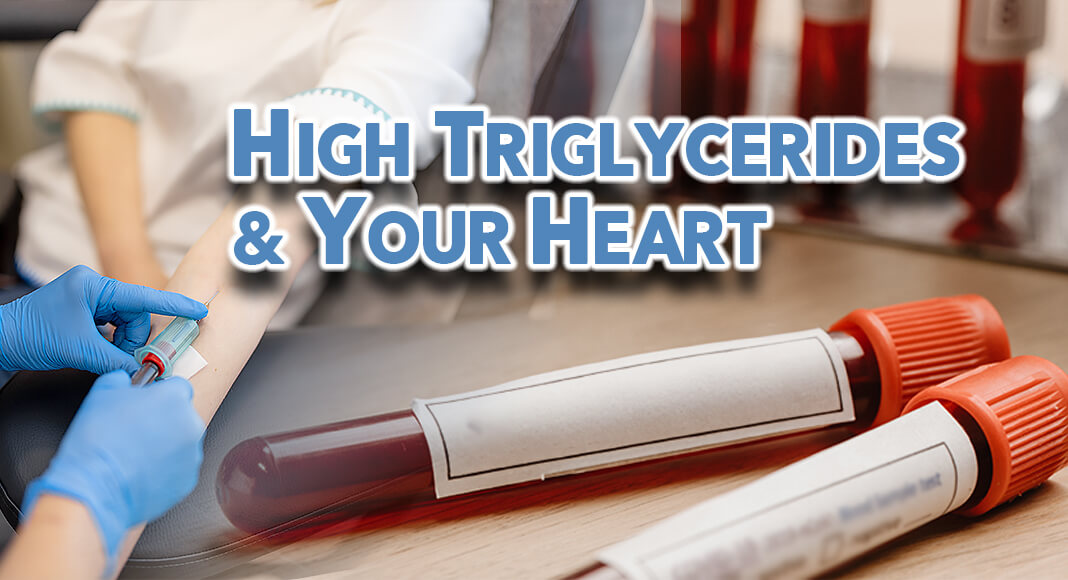
A lipid panel, also known as a complete cholesterol test, is a blood test that assesses the levels of cholesterol and triglycerides in the bloodstream.
Information Source: Mayo Clinic News Network


