







Mega Doctor News

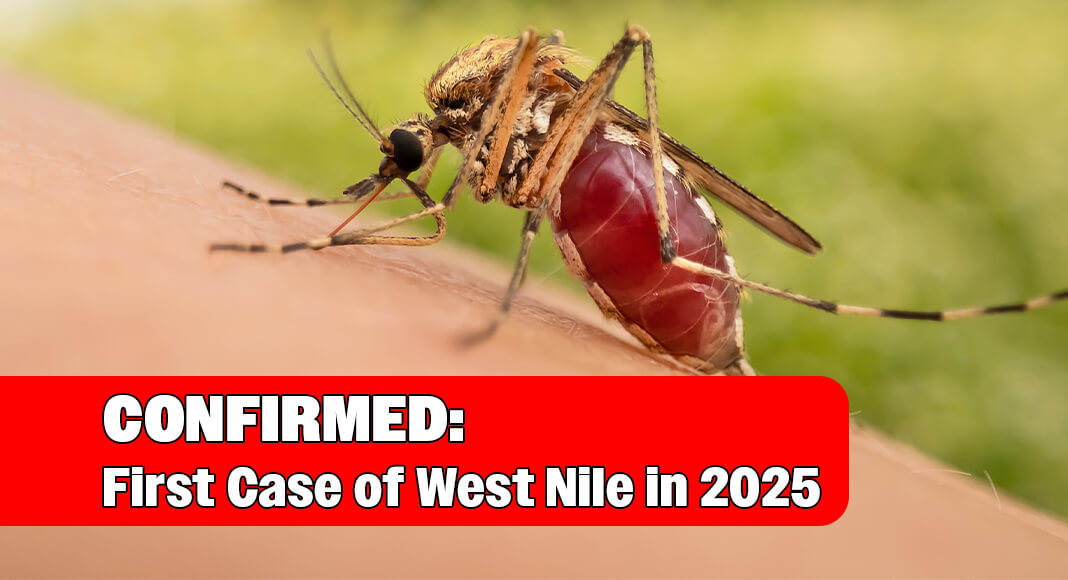
The first Texas case of West Nile illness in 2025 was confirmed June 24 in a resident of Brazos County, according to public health officials. The Department of State Health Services confirmed the resident was diagnosed with West Nile fever.
“Texans should be aware that mosquitoes transmit disease, and some of these illnesses, like West Nile and dengue, can be severe,” said Department of State Health Services Commissioner Jennifer A. Shuford, MD, MPH. “But taking steps to prevent mosquito bites and eliminating mosquito breeding areas around homes are proactive measures that can reduce the risk of mosquito-borne illness.”
Infected mosquitoes transmit West Nile after biting, and although 80% of people exposed to the virus do not get sick, the rest will develop symptoms like fever, nausea, headache, fatigue, and muscle and joint pain. Less than one percent of those exposed will suffer from West Nile neuroinvasive disease, which affects the nervous system and can cause disorientation, neck stiffness, tremors, paralysis, convulsions, and even death.

DSHS urges anyone experiencing West Nile symptoms to contact their health care provider and mention any exposure to mosquitoes.
Texans should not give mosquitoes a biting chance by following these steps to protect themselves and their families from West Nile and other mosquito-borne illnesses like dengue:
- Wear long sleeves and pants. Create a barrier to mosquito bites by covering up.
- Apply insect repellent. Use an EPA-registered repellent such as those containing DEET, picaridin, IR3535, oil of lemon eucalyptus, para-menthane-diol or 2-undecanone.
- Keep mosquitoes out by keeping doors and windows closed and/or installing window screens.
- Remove standing water. Emptying out water than accumulates in toys, tires, trash cans, buckets, clogged rain gutters, and plant pots will deny mosquitoes a place to lay their eggs and reproduce.
Other mosquito breeding prevention tips include:
- Change water in pet dishes daily.
- Rinse and scrub vases and other indoor water containers weekly.
- Change water in wading pools and bird baths several times a week.
- Use mosquito dunks with larvicide for water that can’t be emptied or covered.
- Keep backyard pools and hot tubs properly chlorinated and free of debris.
- Treat front and back door areas of homes with residual insecticides if mosquitoes are in abundance nearby.
- If mosquito problems persist, consider pesticide applications for vegetation around the home.
There were 455 cases of West Nile disease in Texas in 2024 and 56 deaths*. Over the last five years (2020-2024), Texas has had 929 West Nile cases and 122 deaths. There were 241 cases of dengue in Texas in 2024, including two locally acquired cases.
Mosquitoes remain active into November and December in much of Texas.
*Cases and attributed deaths for 2024 are provisional.
Information Source: Texas Health and Human Services


