









Virus Vaccine Timeline for Delivery Start at the end of November 2020

Translate to Spanish or other 102 languages!

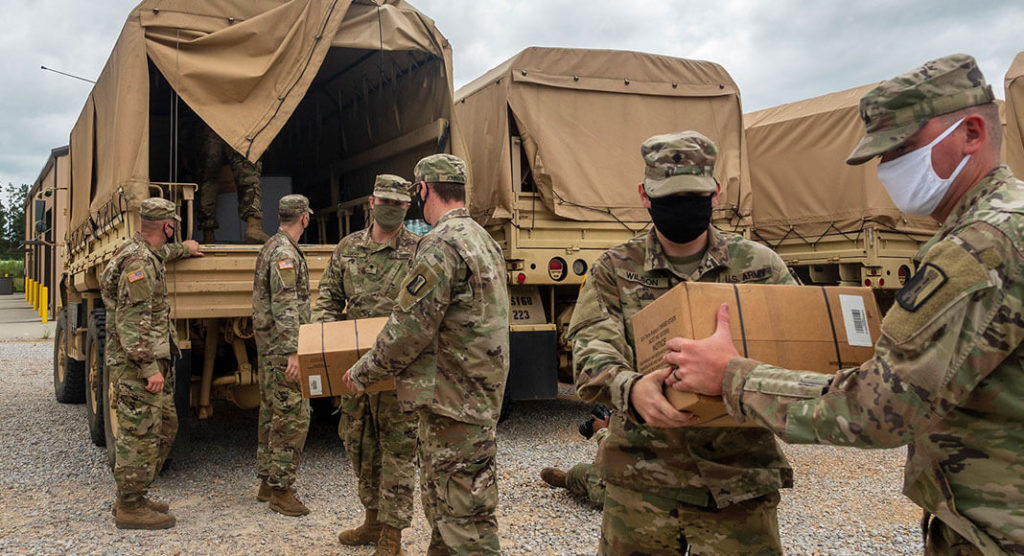
Image for illustration purposes only. By The National Guard under CC BY 2.0

Mega Doctor News

- Advertisement -
William Eugene “Gene” Powell
Photo by UTSA

According to Eugene Powell, the Texas Vice Chairman for the Republican National Committee, the timeline for the delivery of the vaccine has changed in a positive way since Pfizer’s announcement that they are ready.  “To their credit the Trump team has, for several months, been getting ready for this day.”

He also pointed out that the US Military has been preparing the logistics for getting the vaccine out to everyone in an orderly and efficient manner.  Currently the timeline looks like this:

  1. End of November to Mid-December: Elderly, Nursing Home patients and staff Vaccinated.
  2. Mid December to Early January:  Health Care Workers Vaccinated
  3. Mid-January through Mid-April:  All other citizens Vaccinated

During this four-month period additional vaccines will be approved and will be added to the mix. 

- Advertisement -

Bottom line is that if you want to be vaccinated you will have an opportunity to do so sometime over the next four months.

“The doctors I have talked tell me emphatically that this is a real game changer and all thanks to the Trump Team and Operation Warp Speed.” Mr. Powell continued, “Otherwise, we could have been waiting four or five years for a vaccine.”


- Advertisement -
- Advertisement -

- Advertisement -

More Articles

What Persistent Fatigue Might Be Telling You

Mega Doctor News CLEVELAND CLINIC - We’ve all had those days where we’re...

AMA Unveils New Initiative to Boost Nutrition Education Nationwide

The American Medical Association (AMA) is launching a nutrition education initiative to equip physicians and medical students with practical, evidence-based knowledge and tools to help patients live healthier lives.

Study Finds GLP‑1 Therapy Reduces Heart and Kidney Risks for Type 1 Diabetes Patients

People with type 1 diabetes who took GLP-1 receptor agonist (GLP-1-RA) drugs for weight loss or better blood-sugar control had significantly reduced risks of major cardiovascular events and end-stage kidney disease without any increase in safety concerns, according to a study led by researchers at the Johns Hopkins Bloomberg School of Public Health.

The Silent Toll of Substance Use on Today’s Young Adults

Mega Doctor News by University of Michigan Newswise - Young adults who heavily use substances...
- Advertisement -
