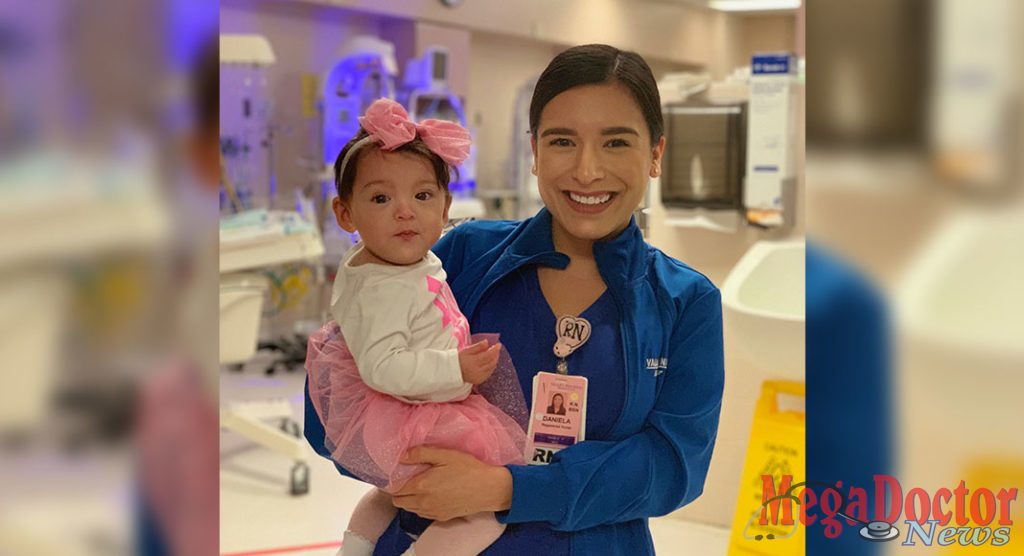
Mega Doctor News


BROWNSVILLE, TX – Valley Regional Medical Center, an HCA Gulf Coast Division Hospital which cares for up to 300 babies prematurely born every year, has earned a continuation of its designation as a Level III Neonatal Intensive Care Unit (NICU) by the Texas Department of State Health Services.
“It’s critical for this community to have round-the-clock care for high-risk infants,” says Gerardo Sanchez, MD who serves as the Neonatal Medical Director at Valley Regional Medical Center.
As a Level III NICU, the hospital has demonstrated it provides comprehensive care of infants of all gestational ages with mild to critical illnesses and those requiring sustained life support. The designation is a result of legislation passed in 2013 which required Texas to implement neonatal levels of care designations with the purpose of ensuring Neonatal Intensive Care Units have the expertise and resources needed to comply with mandatory rules guiding provision of appropriate high-quality care.

Valley Regional Medical Center’s NICU team includes neonatologists, neonatal nurse practitioners, neonatal registered nurses, registered dieticians, respiratory, speech, occupational, and physical therapists, social workers, chaplain and board-certified lactation consultants who are all specially trained to work with infants in the NICU. The hospital’s care team strives to provide family-centered care while coordinating any necessary consultations with other specialists, including ophthalmologists, cardiologists, and surgeons. The NICU also provides 24-hour in-house coverage by specialized personnel and neonatologist availability around the clock.
Using a family-centered approach, Valley Regional Medical Center encourages parents to visit often and participate in the care of their infant. The hospital’s NICU nurses also provide patient-tailored education to the parents at bed side and answer any questions parents may have in order to increase parental involvement and knowledge of the infant’s care and medical condition.
“Our families are our top priority,” adds Sanchez. “We want them to rest assured they are receiving the best possible care.”
Valley Regional Medical Center’s delivers approximately 2,500 babies every year.