Mega Doctor News

by Kristen Zapata / UT Health San Antonio
SAN ANTONIO – A routine colonoscopy may last less than an hour. But what happens during that procedure can change, or even save, a life years before cancer ever has a chance to develop.
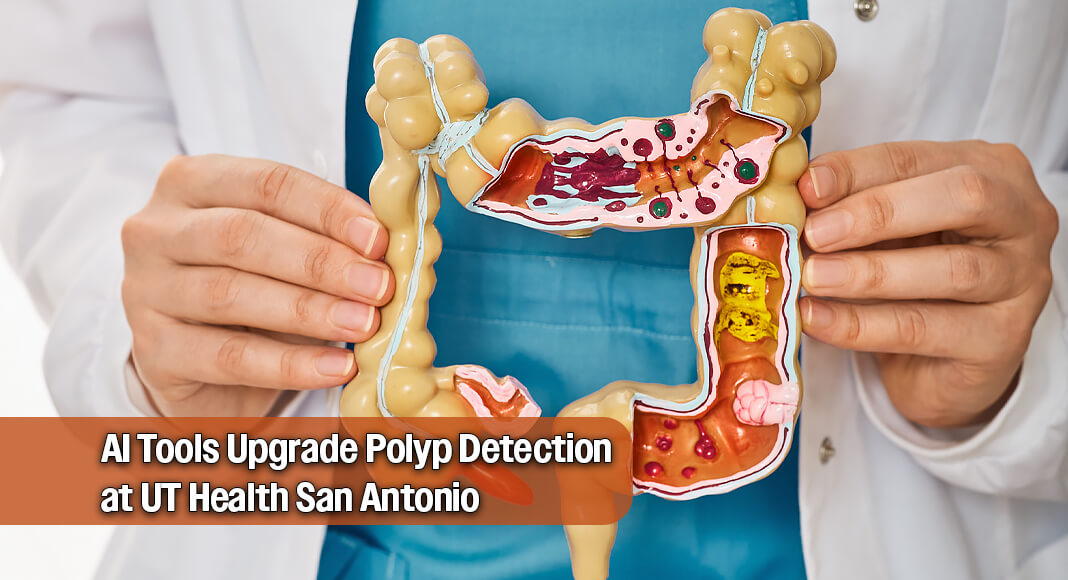
Physicians at The University of Texas at San Antonio’s academic health center, UT Health San Antonio, are now using artificial intelligence-powered technology during colonoscopies to help detect precancerous polyps in real time. The advanced system, housed at UT Health San Antonio Multispecialty and Research Hospital, expands access to leading-edge colorectal cancer prevention and early detection services for patients across South Texas.

The computer-aided detection system, known as CADe, acts as an additional observer during a colonoscopy procedure to help physicians identify subtle or difficult-to-see polyps that could otherwise be overlooked.
A second set of eyes
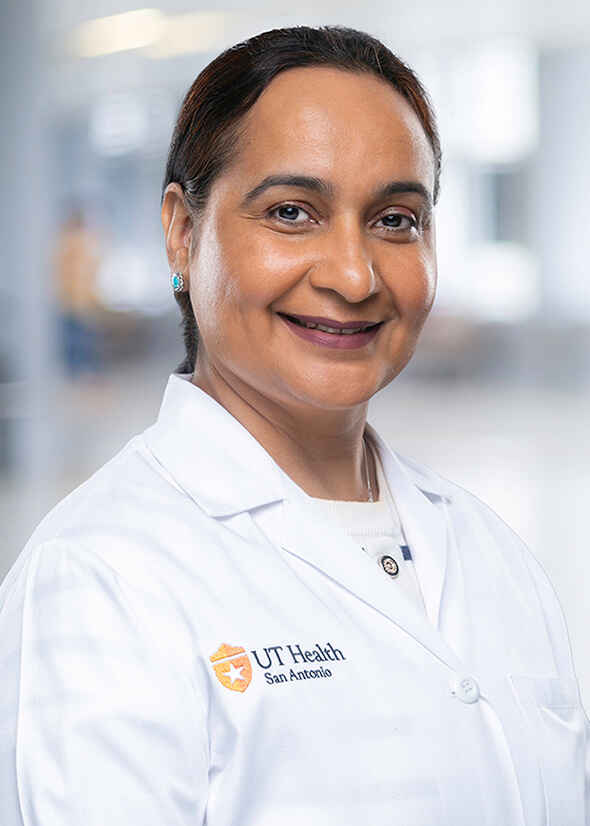
“It’s basically like an extra pair of eyes,” said Prabhleen Chahal, MD, MASGE, FACG, chief of the Division of Gastroenterology and Human Nutrition at UT Health San Antonio. “It does not perform the colonoscopy, it does not replace the physician and it does not make treatment management decisions. But it serves as a second observer working with you in real time.”
A colonoscopy remains one of the few screening tools capable of detecting cancer early, and preventing it altogether, by identifying and removing adenomas, precancerous polyps that can develop into colorectal cancer over time.
According to Chahal, a nationally recognized expert in advanced endoscopy, one of the most important measures of a high-quality colonoscopy is adenoma detection rate, or ADR, which reflects how often physicians detect precancerous polyps during screening procedures.
“Studies have shown the higher the ADR, the lower post-colonoscopy colorectal cancer incidence is,” Chahal said.
By helping physicians, especially new physicians, recognize small, flat or indiscernible polyps in real time, the AI-assisted system supports more thorough examinations, increasing ADR.
“There is data which shows this technology does increase the adenoma detection rate and, in essence, may reduce the overall risk of colon cancer burden in society,” Chahal said. “As a result, there is also a cost savings attached to it.”
By identifying and removing precancerous polyps earlier, physicians help patients avoid more invasive, complex treatments and higher healthcare costs associated with advanced colorectal cancer later in life.
Don’t delay screening
The most important message Chahal has for patients isn’t about the new technology. It’s encouraging them to prioritize screening and educate themselves regarding any concerns that may be preventing them from scheduling a colorectal cancer screening.
Obesity, Type 2 diabetes, smoking and alcohol use increase the risk of developing colorectal polyps.
“There may be misconceptions, myths, taboos or genuine concerns about getting a colonoscopy,” Chahal said. “But the most important thing you can do for that is arm yourself with knowledge about why this procedure matters for your health.”
For many patients, colorectal cancer may not cause symptoms in its early stages, making routine screening one of the most effective tools for prevention and early intervention. Unlike many cancer screenings that focus primarily on detection, a colonoscopy helps prevent cancer by identifying and removing precancerous polyps.
Current guidelines generally recommend screening beginning at age 45 for adults at average risk, although individuals with a family history of colorectal cancer, inflammatory bowel disease or certain hereditary conditions may need to seek screening earlier.
Colorectal cancer affects more than just the individual patient, Chahal said.
“If you don’t do it for yourself, do it for your loved ones,” she said. “If somebody in the family is going through a health challenge, it’s not just that person, it’s the entire family that suffers. We can help prevent that.”
Learn more about UT Health San Antonio’s colorectal cancer screening services by visiting the Advanced Interventional Gastroenterology Program website or call 210-450-9880.