



Mega Doctor News
By Barbara Gutierrez University of Miami
Newswise – In the Alfred Hitchcock classic film “Vertigo,” the protagonist John “Scottie” Ferguson, played by James Stewart, is plagued with acrophobia, or an extreme fear of heights. This condition impairs him to such a degree that he is forced to retire from his job as a police officer, and it creates emotional turmoil central to the movie’s plot.
Phobias.

Many suffer from them. Whether it is a fear of spiders (arachnophobia) or fear of enclosed spaces (claustrophobia) or fear of rats (musophobia), as many as 13 percent of the U.S. population are affected by them.
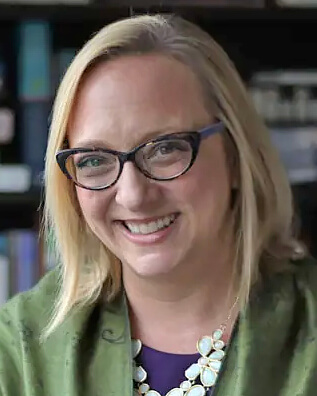
Jill Ehrenreich-May, professor in the Department of Psychology at the University of Miami College of Arts and Sciences and director of the Child and Adolescent Mood and Anxiety Treatment program, explains more about phobias.
What is a phobia?
A phobia is an excessive amount of fear of an object or a situation relative to the amount of threat that the situation presents. It is usually associated with a fight or flight response, or panic-like symptoms and extreme avoidance or other behaviors to keep one from engaging in a particular situation. A fear becomes a phobia only if those related behaviors end up interfering with one’s life.
Can a phobia stem from a traumatic event?
Sometimes, but not always. For instance, let’s say someone has a car accident, or they were trapped in an elevator, and they felt like something terrible will happen to them during that time and maybe even feared death. The resulting symptoms we will see during a period might be characterized as post-traumatic stress disorder (PTSD), but for many people, the resulting fears and behaviors will not be as broadly impairing, and a phobia will emerge instead more specifically related to elevators or cars.
That being said, not all phobias occur because of a traumatic event. It is relatively common to develop phobias of situations or objects that are not commonly encountered on a regular basis.
Can phobias be inherited?
It is unlikely you would inherit a phobia from a genetic perspective because one of your parents had them. However, if your parent is modeling avoidant behavior related to an object or situation, you might think you should avoid it too. You also might have certain features of your personality or the way you approach things in the world that may be related to characteristics that your parents had. People may be prone to worry, for example, and it may put them in a situation where they are perceiving some situations as more dangerous than they are.
What are the most common phobias you have seen in your research clinic?
We see a lot of phobias. We treat phobic or avoidant behaviors of all kinds, from costumed characters to bugs to flying and more. The children we treat are avoiding so much or in certain ways that it is impairing their lives. That being said, it is common for children to have fears of many things. When children are given a list of phobic objects or situations, they endorse fear of a lot of them, as many as four or five, on average. Early in development it is really common to have these fears, and as we gain more contact with the world, we are often able to see these situations more accurately and say: “You know, those clowns may look scary, but they are not going to hurt me. They are trying to make me laugh.” So, in other words, it’s not always or even often the case that these early fears will become impairing phobias over time.
How do you treat phobias?
The most effective treatments are cognitive behavioral therapy with exposure therapy. In therapy, we work toward approaching these fears they have been avoiding and help them to be more tolerant of uncomfortable feelings in their body so they can stay longer and get more safety information about the situation.
It is a bit of a challenge. We often gradually expose them to these things they have been afraid of up to the point that they feel more safe. Of course, we are never going to put people in an unsafe situation. But we are going to challenge those beliefs that they have developed over time that this is a dangerous situation or that they cannot handle the feelings they might have in that situation.
The biggest part of effective treatment is learning that even if you feel afraid, you can handle that discomfort, as long as you are safe. You have the power to choose what you do with a phobic situation or object, and you can choose to tolerate your feelings more and more in order to live more freely from your fear.