








New AI‑Driven Strategy Transforming Fraud Prevention in Federal Health Programs

Translate to Spanish or other 102 languages!

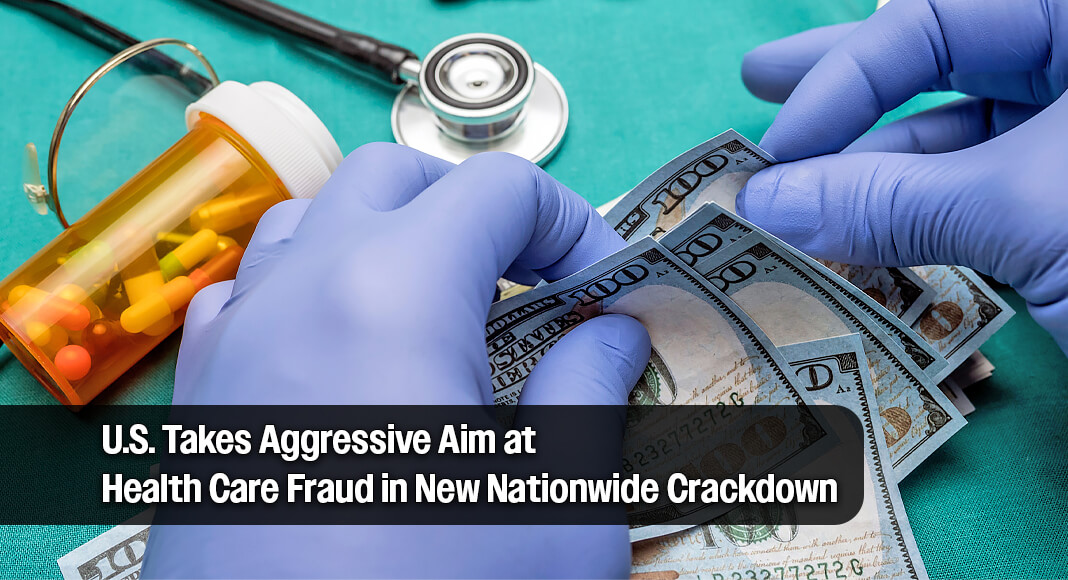
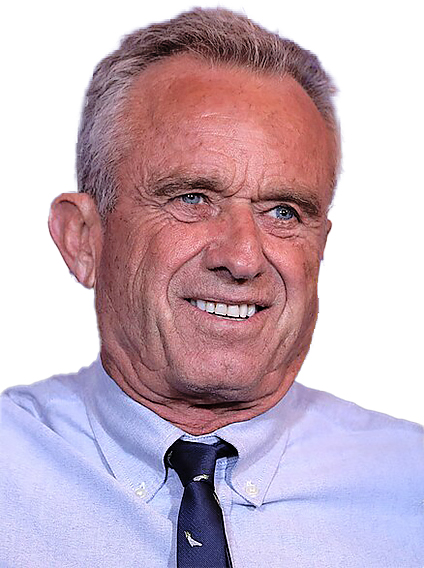
Vice President J.D. Vance, Secretary of Health and Human Services (HHS) Robert F. Kennedy, Jr., and Administrator of the Centers for Medicare & Medicaid Services (CMS) Dr. Mehmet Oz announced new steps to crack down on fraud in Medicare and Medicaid to protect patients and taxpayers and improve affordability. Image for illustration purposes
- Advertisement -

WASHINGTON – Vice President J.D. Vance, Secretary of Health and Human Services (HHS) Robert F. Kennedy, Jr., and Administrator of the Centers for Medicare & Medicaid Services (CMS) Dr. Mehmet Oz announced new steps to crack down on fraud in Medicare and Medicaid to protect patients and taxpayers and improve affordability. The actions include:

  • Deferring $259.5 million of quarterly federal Medicaid funding in Minnesota to prevent payment of questionable claims while further investigation is completed;
  • A nationwide moratorium on Medicare enrollment for certain Durable Medical Equipment, Prosthetics, Orthotics, and Supplies (DMEPOS) suppliers;
  • Anationwide call to action for Americans to support fraud prevention through the Comprehensive Regulations to Uncover Suspicious Healthcare (CRUSH) initiative, including stakeholder input on how CMS can continue to expand and strengthen its efforts.

Together, these steps reflect a coordinated, data-driven strategy to prevent fraud before it occurs, hold bad actors accountable, and protect taxpayer dollars. “For decades, Medicare fraud has drained billions from American taxpayers—that ends now,” said HHS Secretary Kennedy. “We are replacing the old ‘pay and chase’ model with a real-time ‘detect and deploy’ strategy, using advanced AI tools to identify fraud instantly and stop improper payments before they go out the door.”

“CMS is done trying to catch fraudsters with their hands in the cookie jar—instead, we’re padlocking the jar and letting them starve,” said CMS Administrator Oz. “This proactive approach will help us crush fraud, protect taxpayer dollars, and make sure the vulnerable Americans who depend on our programs get the care they need.”

- Advertisement -

Reduction of fraud, waste, and abuse drives down costs for all Americans. More information on CMS’ fraud prevention efforts is available at: www.cms.gov/fraud.

Information source: US Department of Health and Human Services

- Advertisement -
- Advertisement -

- Advertisement -

More Articles

STHS and Prominence Health Partner to Raise Malnutrition Awareness Among Local Seniors

Mega Doctor News Good nutrition is one of the most important, yet...

FDA Grants Accelerated Approval to a New Breast Cancer Treatment

The U.S. Food and Drug Administration expanded treatment options for adult patients with advanced breast cancer, reflecting the FDA’s commitment to advancing medical innovation and getting new treatments to patients who need them. Image for illustration purposes

Experiencing Numbness? How to Tell Common Tingling from Neuropathy

Most people experience numbness or the familiar pins-and-needles sensation from time to time. Often, it is harmless and occurs temporarily, because you have been sitting, standing or sleeping in a position that puts pressure on a nerve. However, these symptoms can sometimes signal an underlying medical condition such as neuropathy, explains Megan Everson, M.D., a neurosurgeon and spine expert at Mayo Clinic Health System in Eau Claire.

STC’s Physical Therapist Assistant Program Awarded $50,000 for New Training Equipment

South Texas College’s Physical Therapist Assistant (PTA) Program was recently awarded a $50,000 investment for new training equipment through a $25,000 grant from the Rio-South Texas Education and Community Development Foundation (RSTEF) and a matching contribution from the STC Foundation
- Advertisement -

