






Why Taking a Walk After Eating Can Boost Your Digestion

Translate to Spanish or other 102 languages!

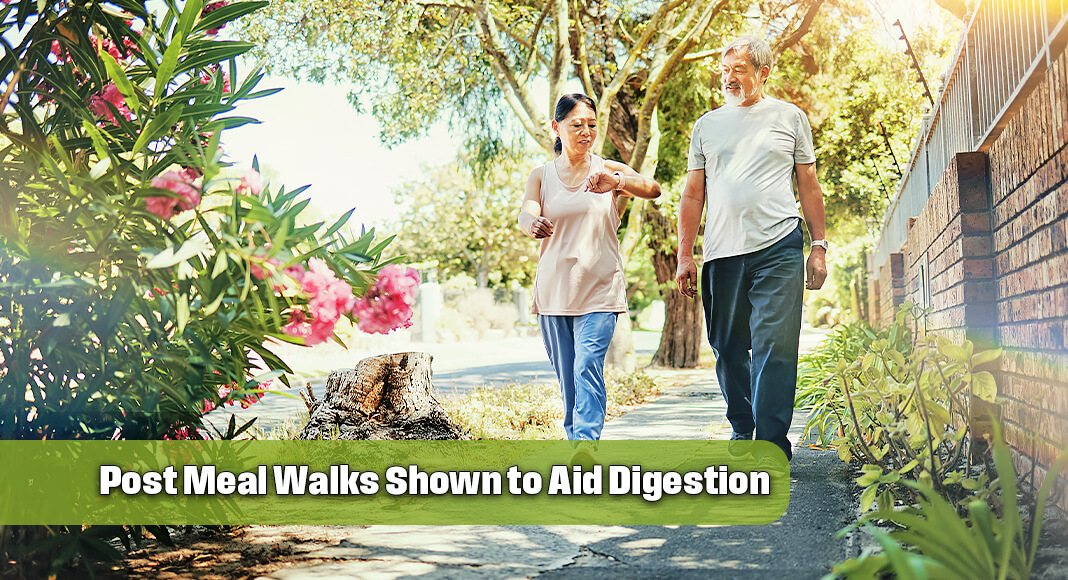
If you’re looking for ways to improve your digestion, you may want to consider going for a walk after you eat. Image for illustration purposes
- Advertisement -

CLEVELAND CLINIC – If you’re looking for ways to improve your digestion, you may want to consider going for a walk after you eat. 

“There are so many health benefits from walking after a meal. Some of them are not gastrointestinal, including improving your glucose control. But, from my standpoint, walking after a meal actually can improve your gastric emptying,” said Jessica Philpott, MD, PhD, gastroenterologist at Cleveland Clinic. “Studies have shown that walking immediately after a meal can shorten rapidly the amount of time that food sits in the stomach and that can really improve symptoms of feeling excessively full, reflux, abdominal pain, and others.”

Dr. Philpott said there’s not a one-size-fits-all when it comes to recommendations for walking after a meal. 
- Advertisement -

However, she said it can be helpful to walk within 15 to 30 minutes of eating. 

You don’t have to do it after every meal, either. 

What matters more is that you’re doing it at all. 

That said, Dr. Phillpott would suggest walking after heavier meals since that’s when digestion slows down. 

- Advertisement -

But what if you can’t go for a walk? 

“Studies have shown that even just making a change in position can impact stomach emptying. So, a person that can’t walk around the block, if they at least get up to stand from sitting or they walk around their house, that may still impact their stomach emptying,” she said. 

Dr. Philpott said good digestion is extremely important for our overall health, so if you are experiencing any issues, be sure to let your physician know. 

- Advertisement -
- Advertisement -

- Advertisement -

More Articles

Mayo Clinic Study Sheds New Light on Memory Loss

A new framework, published in Brain, could reshape researchers' understanding of how the brain creates memories and experiences, and how disruptions in this process may indicate Alzheimer’s disease and other forms of dementia.

United States and Mexico Lose Measles Elimination Status Amid Continued Outbreaks

The United States, Mexico and Bolivia have lost their measles elimination status after the highly contagious virus circulated continuously for more than 12 months, the Pan American Health Organization (PAHO) announced November 17, 2026.

Eating and sleeping later associated with increased health risks

Staying up late and eating later in the evening could increase the risk of metabolic syndrome, a term that refers to conditions that increase the risk of type 2 diabetes, cardiovascular disease, and high cholesterol.

Health Officials Release Joint Statement Regarding Loss of U.S. Measles Elimination Status

CDC and its partners are committed to stopping measles outbreaks, protecting Americans, and regaining measles elimination status.
- Advertisement -