
Mega Doctor News
| AT A GLANCE |
| Extremely hot weather can make you sick. As temperatures rise across the United States, it’s important to stay safe and informed. The Tracking Program provides data and tools that you can use to see how heat events may affect your health. |
Understanding Heat Events and Your Health
Heat events, or heat waves, are one of the leading causes of weather-related deaths in the United States. When temperatures rise in the summer, extremely hot weather can cause sickness or even death.
Heat-related illness happens when your body can’t cool down properly. The body normally cools itself by sweating. But under some conditions, sweating just isn’t enough. In such cases, a person’s body temperature rises rapidly. Very high body temperatures may damage the brain or other vital organs.
Powered by Tracking: Heat Events
The Tracking Program provides valuable data and resources to help people understand and prevent the health risks posed by heat events.

Discover data on heat and heat-related illnesses throughout the United States.
- emergency department visits, hospital stays, and deaths
- forecasted and historical heat event data
- factors that may increase your risk for heat-related health effects
Explore CDC’s Heat & Health Tracker to see how heat events affects your county, populations that are at risk, and resources for response.
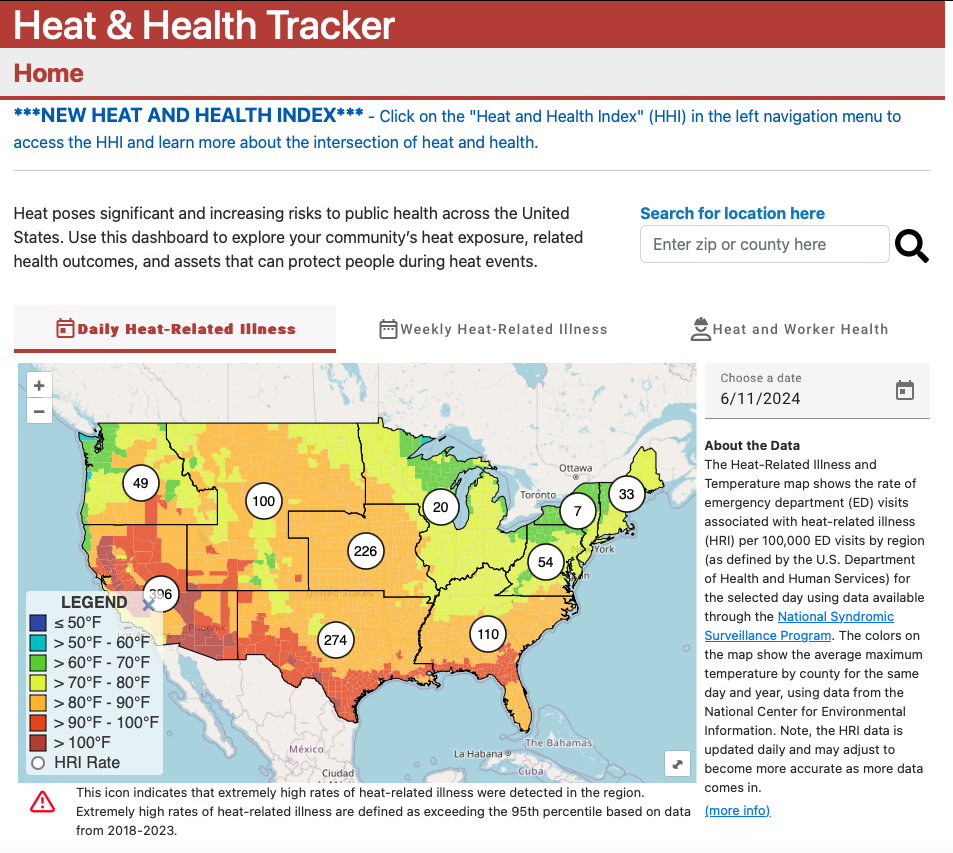
Image Source https://ephtracking.cdc.gov/Applications/heatTracker/
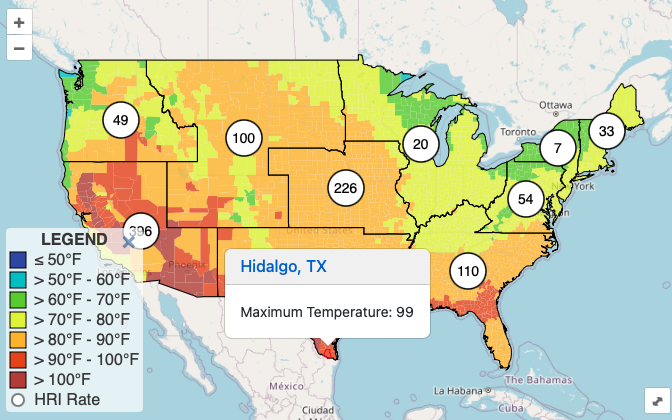
Image Source https://ephtracking.cdc.gov/Applications/heatTracker/
Access CDC’s HeatRisk Dashboard to get personalized heat forecast information, details on local air quality, and actions you can take to protect your health.
Join The “Don’t Sweat It, Track It” Campaign
CDC will continue the conversation about heat events throughout the summer. You can join us through the “Don’t Sweat It, Track It” campaign. This initiative aims to raise awareness of the impact of heat events on public health.
Additionally, the campaign will promote the Heat & Health Tracker as the ultimate summer accessory, empowering individuals and communities to better prepare for and respond to rising temperatures. Stay up to date with campaign developments by following the Tracking Program’s social media channels (Facebook and X). Don’t forget to use the hashtag #DontSweatItTrackIT to stay connected.
Prevent Heat-Related Illness
Heat-related illnesses or death is preventable if you follow a few simple steps.
- Stay in an air-conditioned area during the hottest hours of the day.
- Find a cooling center if you do not have access to air conditioning.
- Wear light, loose-fitting clothing.
- Drink water often. Don’t wait until you are thirsty.
See Heat and Your Health for more tips on how to stay cool and hydrated on hot days.
Did you know?
Air conditioning is the strongest protective factor against heat-related illness. Exposure to air conditioning for even a few hours a day will reduce the risk for heat-related illness.
More Information
Information Source: CDC