








Mega Doctor News
By Michigan Medicine – University of Michigan
Newswise – Systemic lupus erythematosus, more commonly known as lupus, has a variety of symptoms and room for improvement when it comes to treatment.
Cutaneous lupus erythematosus is a common manifestation of systemic lupus erythematosus.

The condition is characterized by rashes on various parts of the body including the face and scalp, hair loss and scarring of the skin.
The rashes are caused by inflammation from the immune system fighting the body.
The standard treatment for cutaneous lupus erythematosus is using immunosuppressants and biologic drugs to reduce inflammation.
While the medications can be helpful, many patients with systemic lupus erythematosus already take a high number of drugs and are looking for other treatment methods other than pills.
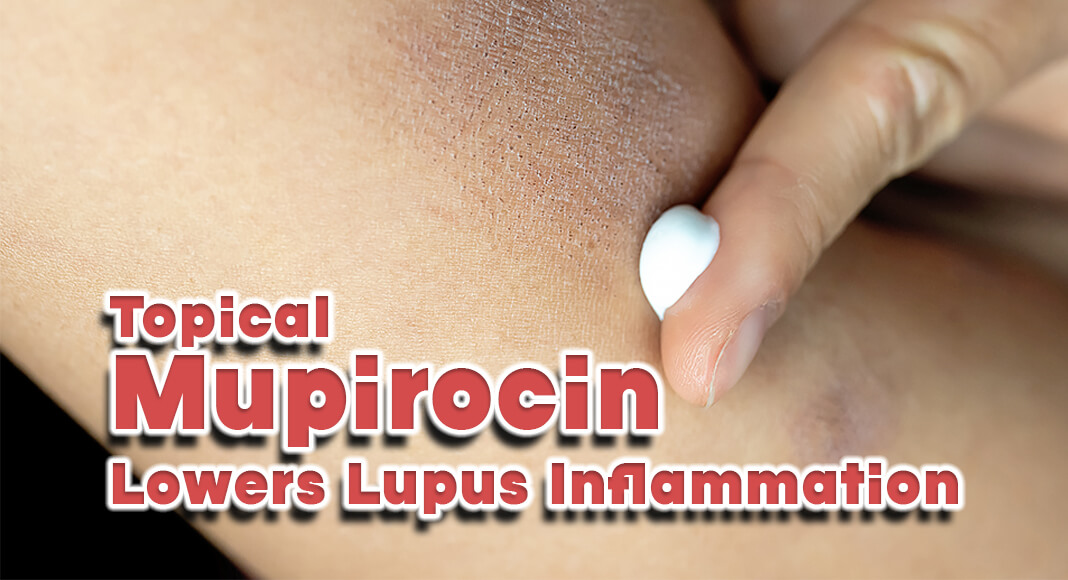
J. Michelle Kahlenberg, M.D., Ph.D., a professor of internal medicine in the Division of Rheumatology at University of Michigan Health led a team of researchers looking at one of these alternatives, a topical treatment called mupirocin.
This trial was based on Kahlenberg’s previous discovery that cutaneous lupus rashes are often colonized with a common skin bacteria, Staphyloccous areus, also known as staph, and contributes to inflammation in the rashes.
Mupirocin kills this type of bacteria.
Lupus: A frustrating diagnosis journey you don’t need to embark alone
The study randomly selected systemic lupus erythematosus patients currently experiencing cutaneous lupus erythematosus flares to treat their skin lesions with mupirocin or with an inactive control, petrolatum jelly.
Samples from the nose and lesional skin were used to determine baseline and post treatment Staphylococcus abundance and microbial community profiles.
Paired samples collected prior to treatment with the topical solution and seven days after treatment showed decreases in lesional staphylococcus aureus in the mupirocin treated samples.
Importantly, the reduction in staph also was accompanied by a reduction in inflammatory signals, including interferon-driven gene expression, in the lesions.
“In addition to decreasing the inflammation by decreasing lesional staphylococcus aureus, the mupirocin treatment also lowered skin monocyte levels, which are important in driving cutaneous lupus,” said Kahlenberg.
Mupirocin is a prescription treatment, and while this early study showed signs of decreasing inflammation, the study wasn’t designed to see if it can decrease the rash of cutaneous lupus erythematosus.
Fixing racial inequities in lupus care
“Additional larger studies are needed to determine whether topical antibiotics will be helpful to make rashes go away,” Kahlenberg said.
“However, this is an exciting first step to show that there may be additional treatments that can improve inflammation beyond our usual immunosuppressant and biologic drugs.”
Additional authors: Lisa Abernathy-Close, Ph.D., Sirisha Sirobhushanam, Ph.D., Annie Lu, Joseph Mears, B.S.Allison C. Billi, M.D., Ph.D.
Funding/disclosures: This study was funded by the Doris Duke Charitable Foundation and NIAMS. Michelle Kahlenberg: Aditum Bio; Anaptys Bio; AstraZeneca, PLC; Biogen; EMD Serono; Exo Therapeutics; Gilead Science, Inc.; GSK; Lilly, Eli, and Company; Lupus Research Alliance; Related Science, LLC; Rome Therapeutics; Synthekine; Ventus Therapeutics.
Paper cited: “Topical mupirocin treatment reduces interferon and myeloid signatures in cutaneous lupus erythematous lesions through targeting of Staphylococcus species,” Arthritis & Rheumatology. DOI: 10.1002.art.43079


