




loader image
Friday, February 6, 2026
78.9 F
McAllen
- Advertisement -

Tips to Improve Your Sleep as We ‘Fall Back’

Translate to Spanish or other 102 languages!

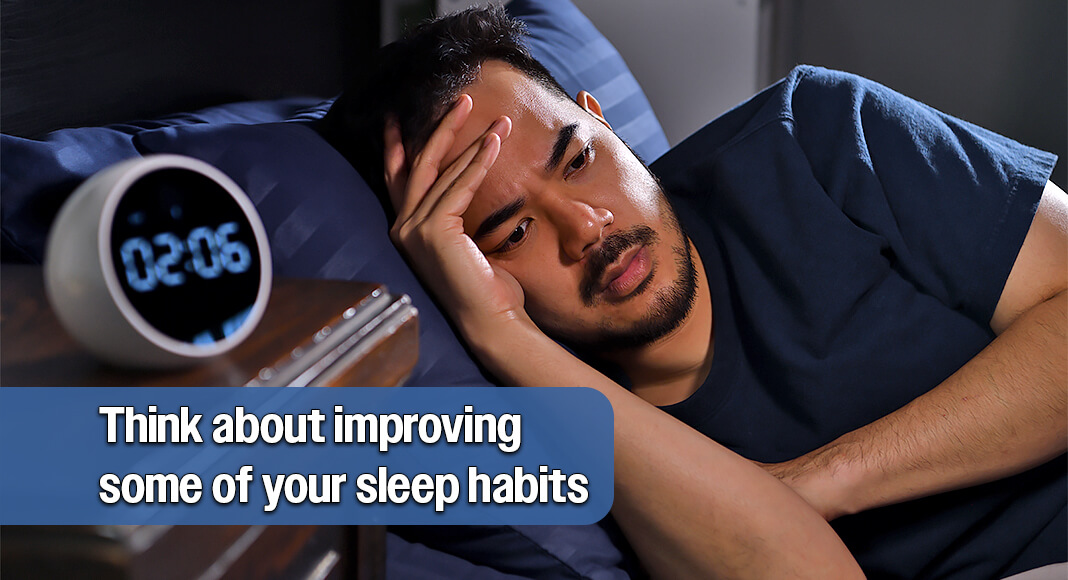
As we turn the clocks back one hour on Sunday, you may also want to think about improving some of your sleep habits. Especially since nearly 40% of adults in the United States are sleep deprived. Image for illustration purposes
- Advertisement -

CLEVELAND CLINIC – As we turn the clocks back one hour on Sunday, you may also want to think about improving some of your sleep habits. Especially since nearly 40% of adults in the United States are sleep deprived. 

“When we’re getting consistently under seven hours every night, we put our bodies and brains at risk for a host of adverse medical consequences down the road. We want to make sure that we’re not setting ourselves up to be chronically sleep deprived, and so that means at least seven hours for adults and more than that for kids and teens,” said Nancy Foldvary, MD, sleep specialist at Cleveland Clinic.

Dr. Foldvary said there are many healthy habits we can adopt when it comes to getting better sleep, like not eating or exercising right before bed. 

- Advertisement -

Both can make it harder to fall asleep and stay asleep. 

And while it may be tempting, it’s best to avoid using your cellphone or watching TV right before bed. 

Dr. Foldvary explains that the blue light can disrupt our body’s melatonin production, which helps promote sleep. 

Finally, she recommends keeping a consistent routine. 

- Advertisement -

“We want to go to bed early enough to avoid being chronically sleep deprived. And so, if we’re waking up at 6:30 or 7 o’clock during the week but then sleeping until 10 on the weekends, that’s either a sleep problem, a medical or psychiatric problem, or it’s compensatory for being chronically sleep deprived. None of these things are good,” she noted. 

Dr. Foldvary said if your sleep issues don’t seem to be improving with time, it’s important to consult with your physician. 

They can help figure out if something else is wrong. 

- Advertisement -
- Advertisement -

- Advertisement -

More Articles

Inside the Physiology and Neuroscience of Winter Olympians

What makes Olympians the very best at what they do — even in cold, slippery or icy conditions? 

Study Finds 60% of American Women Choose Clinic Visits Over At‑Home Cervical Screening

American women now have the option of screening for cervical cancer at home, using newly approved self-collection tools. While experts hope this will increase uptake in the under-screened population, a first-of-its kind study by researchers from The University of Texas MD Anderson Cancer Center found the majority (60.8%) still prefer to see a medical professional in-clinic.

Food Safety Tips for a Healthy Super Bowl Sunday

Super Bowl parties often feature takeout, delivery and foods that are served over several hours. To help prevent foodborne illness, the U.S. Department of Agriculture’s (USDA) Food Safety and Inspection Service (FSIS) is reminding fans to keep food safety in play on game day.

FDA Updates Guidance on “No Artificial Colors” Labels as Natural Options Expand

The U.S. Food and Drug Administration took additional steps to support the transition of our nation’s food supply from the use of artificial petroleum-based colors to alternatives derived from natural sources. Companies will now have flexibility to claim products contain ‘no artificial colors’ when the products do not contain petroleum-based colors. In the past, companies were generally only able to make such claims when their products had no added color whatsoever — whether derived from natural sources or otherwise
- Advertisement -
×
