








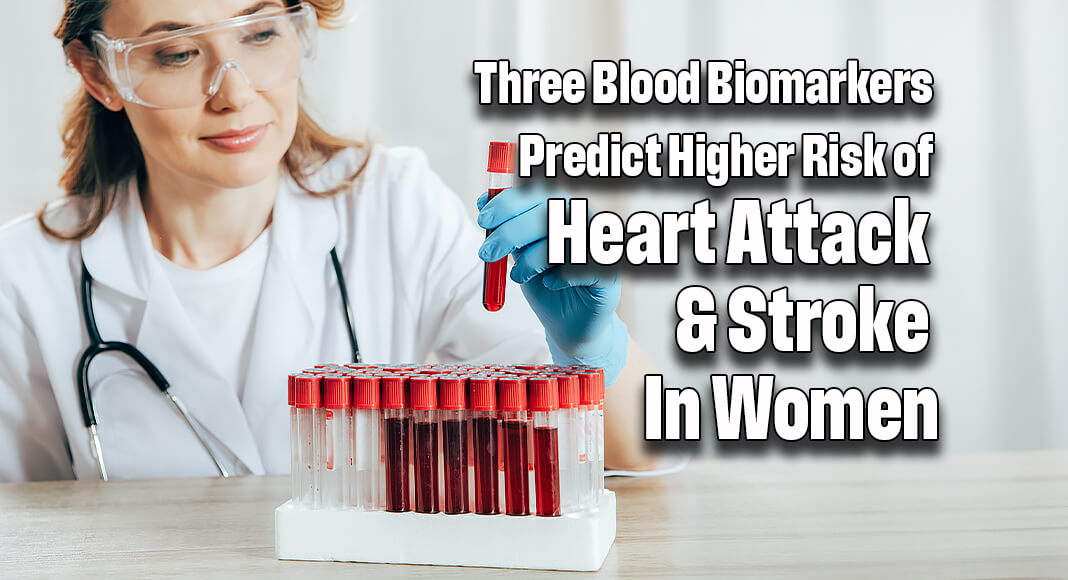
Three Blood Biomarkers Predict Higher Risk of Heart Attack, Stroke in Women

Translate to Spanish or other 102 languages!

Three blood biomarkers could help predict heart attack and stroke risk in women. Image for illustration purposes
- Advertisement -
  • Cardiovascular disease is the leading cause of death in women globally. 
  • There have historically been disparities in diagnosing cardiovascular disease in women as they may have no or different symptoms than men. 
  • Researchers from Brigham and Women’s Hospital found measuring three different biological blood markers can better predict a woman’s risk of having a major cardiovascular event over the next 30 years compared to measuring only one biomarker.

Cardiovascular disease is the leading cause of death in women around the globe, while stroke is the third most commonTrusted Source.

Follow the link to Medical News Today to read the full story:

https://www.medicalnewstoday.com/articles/3-blood-biomarkers-predict-higher-risk-of-heart-attack-stroke-in-women?slot_pos=article_2&utm_source=Sailthru%20Email&utm_medium=Email&utm_campaign=MNT%20Daily%20News&utm_content=2024-09-11&apid=&rvid=4ba4ec80177cae00eabc43b8bc6648d598c4a356d104663735777e0a0f8b5c9f

- Advertisement -

Information Source: https://www.medicalnewstoday.com

- Advertisement -

- Advertisement -

- Advertisement -

More Articles

New Study Explores Ear Acupressure as Relief for Chemo-Induced Neuropathy

Mega Doctor News by UTHealth Houston Newswise — A small point on the ear could...

New Ways to Treat Endometriosis and Fibroids

Endometriosis and uterine fibroids are two of the most common gynecological conditions. While they have important differences, they also have things in common.

Nursing Job Turnover Reaches Historic Highs

Mega Doctor News by University of Michigan Newswise - The COVID-19 pandemic did not...

How Sleepy Days and Restless Nights Damage Your Blood Pressure

A new study from Penn State College of Medicine to be presented at the SLEEP 2026 annual meeting found that excessive daytime sleepiness is associated with higher odds of both prevalent and incident hypertension, and taking 30 minutes or longer to fall asleep further increases that risk.
- Advertisement -


