








Mega Doctor News
By McGill University
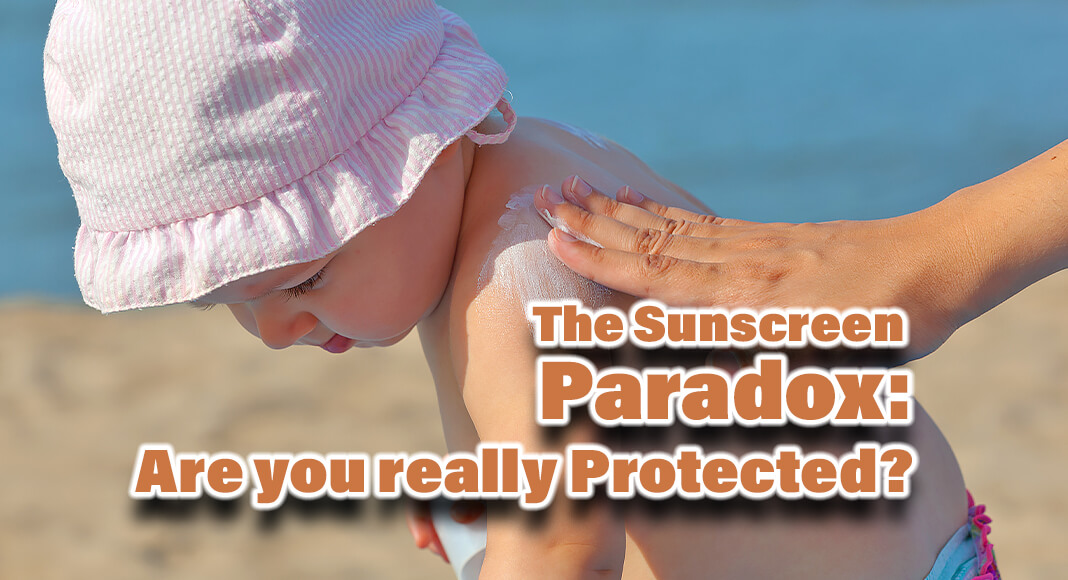
Newswise — Sunscreen usage is climbing, but so are melanoma and skin cancer rates: this, researchers say, is the sunscreen paradox.
“The problem is that people use sunscreen as a ‘permission slip’ to tan,” said Dr. Ivan Litvinov, an Associate Professor in the Department of Medicine and Chair of the Dermatology Division at McGill University and co-author with Dr. Sandra Peláez, Dr. Richie Jeremian and Dr. Pingxing Xie of two recent studies that explore the sunscreen paradox.

“People think they are protected from skin cancer because they are using a product marketed to prevent a condition.”
Most people don’t apply enough sunscreen or stay in the sun for hours after applying sunscreen in the morning. “This gives them a false sense of security,” said Litvinov.
To understand the factors between varying incidence rates of melanoma in the Atlantic provinces of Canada, a group of researchers including Litvinov and Peláez conducted 23 focus groups.
In the study, they found that Canadians living in Nova Scotia and Prince Edward Island – provinces with high melanoma incidence rates – were more likely to report using sun protection, more aware of the health risks of sun exposure, and more apt to follow the UV index. Despite this, they also received more sun exposure due to warmer temperatures and a tendency to engage in outdoor activities.
Similarly, in a second study of the United Kingdom Biobank by Jeremian, Xie and Litvinov, the researchers documented that sunscreen use was surprisingly associated with a more than twofold risk of developing skin cancer.
The sunscreen paradox
“These combined findings suggest a sunscreen paradox, whereby individuals with higher levels of sun exposure also tend to use more but not an adequate quantity of sunscreen or other sun-protection measures, providing a false sense of security,” said Litvinov.
Interventions to address knowledge and practice gaps in sun protection and skin cancer prevention must consider this sunscreen paradox and the unique norms of communities around the world, he added.
“Sunscreen is important, but it is also the least effective way to protect your skin when compared to sun protective clothing, rash guards, and sun avoidance. People can and should enjoy the outdoors, but without getting a sun burn or a suntan,” said Litvinov.


