








Swimming Safety Tips to Keep in Mind

Translate to Spanish or other 102 languages!

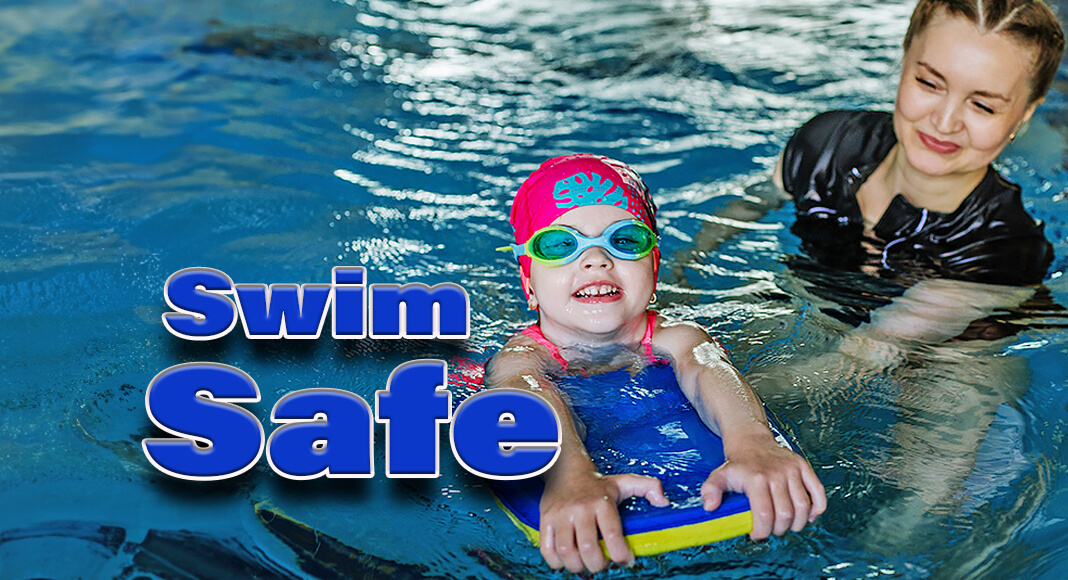
“There should be an adult water watcher within arm’s length of your kids while they’re at any public pool or even any personal pool,” said Richard So, MD, pediatrician for Cleveland Clinic Children’s. Image for illustration purposes
- Advertisement -

CLEVELAND CLINIC – Many pools will be reopening this Memorial Day.

And if you’re planning to take your little ones swimming, there are some safety tips parents should keep in mind.

“There should be an adult water watcher within arm’s length of your kids while they’re at any public pool or even any personal pool,” said Richard So, MD, pediatrician for Cleveland Clinic Children’s.

- Advertisement -

Dr. So said it only takes a second for an accident to happen.

According to the CDC, more children ages one to four years old die from drowning than any other cause of death.

To help avoid that kind of tragedy, it’s recommended that children take swimming lessons by the age of four.

Or even earlier if they live near a pool or pond or have a boat.

- Advertisement -

When it comes to lifejackets, those should be Coast Guard approved.

Dr. So said for anyone who owns a pool, it’s important to make sure they’re fenced in and have a working alarm on the gate.

That way if your child does somehow sneak out, you’ll be alerted.

“Besides swimming lessons to protect your child, I think everyone who owns a pool should have at least have an adult who knows CPR,” he said. “You can go to your local American Red Cross, and you can take an easy basic life-saving classes. If you have a pool, it comes up with a lot of responsibility. You’ve got to have a fence, and someone needs to know CPR.”

Don’t forget to wear plenty of sunscreen this summer.

Doctor So said sunscreen should be reapplied every two hours and even sooner if your child is swimming and it washes off.


- Advertisement -
- Advertisement -

- Advertisement -

More Articles

Understanding the Link Between Heart Failure and Atrial Fibrillation

New research published in Nature Cardiovascular Research reveals that heart failure and atrial fibrillation share underlying genetic and molecular mechanisms, suggesting that the two cardiovascular conditions may be less distinct than previously thought.

Study Links Ultraprocessed Foods to Sharply Higher Heart Disease Risk

Mega Doctor News by University of Texas Health Science Center at Houston Newswise - Daily...

New Study Shows Immunotherapy Strengthens Chemotherapy for Stage 3 Colon Cancer

Colon cancer is the third most prevalent form of cancer in the U.S., and its incidence is increasing among younger adults, particularly those younger than 50.

Power Your Path: What to Eat and Drink for Better Outdoor Performance

This time of year, the great outdoors is full of wonderful things: fresh air, natural beauty and opportunities to disconnect and de-stress.
- Advertisement -
