









Suing Pfizer for Knowingly Misrepresenting the Efficacy of the COVID-19 Vaccine

Translate to Spanish or other 102 languages!

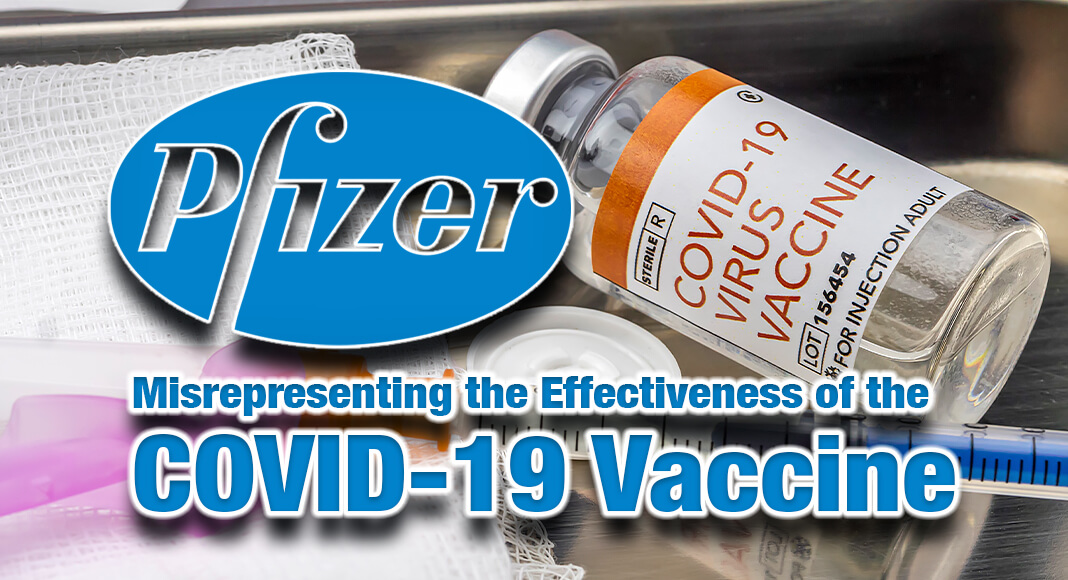
 Attorney General Ken Paxton has filed a notice of appeal to continue his lawsuit against Pfizer, Inc., for its unlawful misrepresentations concerning the COVID-19 vaccine after a district court dismissed the case. Logo: Public Domain. Bgd for illustration purposes
 Attorney General Ken Paxton has filed a notice of appeal to continue his lawsuit against Pfizer, Inc., for its unlawful misrepresentations concerning the COVID-19 vaccine after a district court dismissed the case. Logo: Public Domain. Bgd for illustration purposes
- Advertisement -

AUSTIN – Attorney General Ken Paxton has filed a notice of appeal to continue his lawsuit against Pfizer, Inc., for its unlawful misrepresentations concerning the COVID-19 vaccine after a district court dismissed the case.

In November 2023, Attorney General Paxton sued Pfizer for unlawfully misrepresenting the effectiveness and safety of the company’s COVID-19 vaccine. Further, Pfizer conspired with social media platforms to censor criticism and label posts containing truthful information about its vaccine as “misinformation.” In December 2024, a federal district judge dismissed the lawsuit, claiming that the federal government had given Pfizer immunity through the Public Readiness and Emergency Act. Today, Attorney General Paxton filed a notice that we will appeal the ruling and continue fighting to hold Pfizer accountable.

“Pfizer repeatedly and knowingly misrepresented the effectiveness and safety of their COVID-19 vaccine and pressured Americans to take the shot without full knowledge of the risks,” said Attorney General Paxton. “When consumers questioned the effectiveness and safety of the vaccine, Pfizer sought to silence them—prioritizing profits over the truth. I will not stop until Pfizer is held accountable for deceptively pushing its COVID-19 vaccine on consumers.”

- Advertisement -

To read the filing, click here.

- Advertisement -
- Advertisement -

- Advertisement -

More Articles

The Simple Blood Draw Reshaping the Future of Alzheimer’s Care

Diagnosing dementias such as Alzheimer’s disease is a complex process. While we’ve gained significant ground in understanding how the disease affects the brain, clinicians must still rely on generalized cognitive tests and advanced brain scans to make a definitive diagnosis.

Exploring Facial Processing Differences in Autism

Some of the hallmark characteristics of autism are the tendencies to avoid looking at other’s faces and making less eye contact.

STHS’ Freestanding ERs Earn National Recognition for High-Quality Resuscitation Care

Sudden cardiac arrest is a life-threatening medical emergency that occurs when the heart unexpectedly stops beating, abruptly cutting off blood flow to the brain and other vital organs. It can strike anyone, at any age, often without warning.

New Lancet Commission Outlines Roadmap to Close the Gender Gap in Blood Disorders

A new report in The Lancet Haematology, led by Cleveland Clinic hematologist Bethany Samuelson Bannow, M.D., outlines practical strategies to improve diagnosis, care and outcomes globally for women and girls with hematological conditions, such as bleeding disorders, heavy menstrual bleeding, postpartum hemorrhage, thrombosis and maternal hematologic complications.
- Advertisement -


