




Mega Doctor News
Considered the most important muscle in your body, the heart pumps oxygen-rich blood to every cell and organ. When your heart functions normally, the rest of your body can, too.
In general, the heart beats about 100,000 times per day, with a normal resting heart rate of about 70 beats per minute.
“A normal heart rate is important because it reflects how effectively the heart is delivering blood throughout the body,” says Federico E. Azpurua, MD, FACC, a board-certified interventional cardiologist with South Texas Health System (STHS) Clinics. “When the heart isn’t functioning properly, its effects ripple throughout the entire body. Even small abnormalities in heart rhythm can disrupt the steady flow of oxygen rich blood, placing added strain on vital organs and impacting overall health.”

Fluctuations in heart rate, such as temporary increases during exercise or decreases while sleeping, are typically normal, harmless and part of the body’s natural regulation.
But sudden, persistent or unexplained changes, especially those accompanied by dizziness, chest pain or fainting, may indicate an underlying condition like arrhythmia and should be evaluated by a healthcare professional.
In the United States, more than 14 million people are living with a heart rhythm disorder, according to the Centers for Disease Control and Prevention, and cases of heart arrhythmias—particularly atrial fibrillation—continue to rise nationwide as the population ages and rates of diabetes, obesity and hypertension climb.
If left untreated, irregular heartbeats can lead to severe and potentially life threatening complications like stroke, heart failure and cardiac arrest, making prompt medical evaluation and treatment essential.
“When arrhythmias go untreated, the body compensates in ways that add stress, worsen inflammation and accelerate other chronic conditions,” says Dr. Azpurua. “Early diagnosis and intervention are essential to protecting long term health and preventing serious complications.”
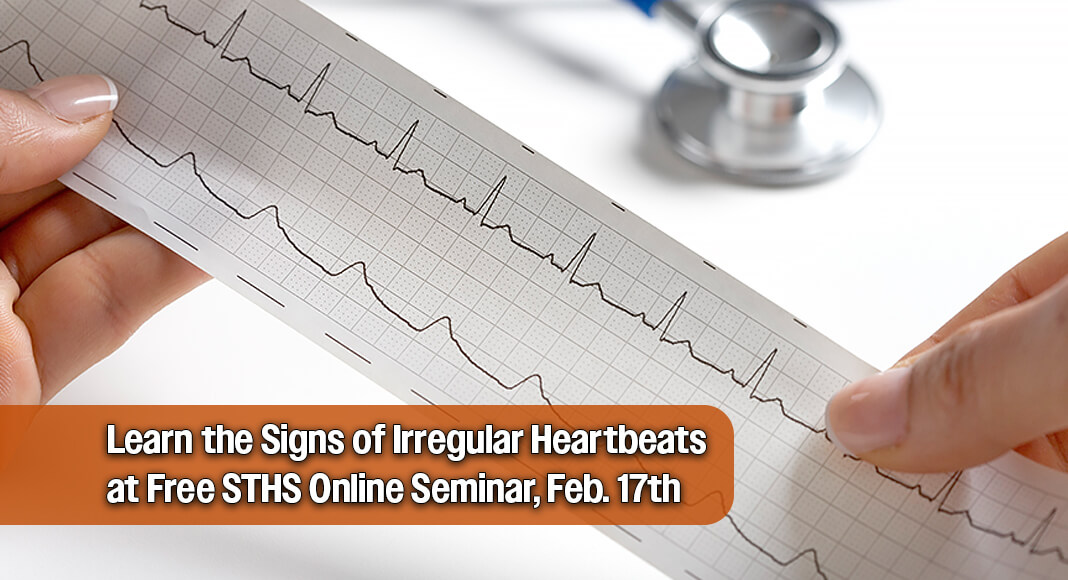
To help Rio Grande Valley residents better understand normal and abnormal heart rhythms, STHS will dedicate the latest installment of its Let’s Talk Your Health webinar series to heart arrhythmia.
Broadcast live on the STHS Facebook page on Tuesday, February 17, 2026, from 5:30 – 6:30 p.m., the webinar will cover the distinct types of arrhythmias, the causes and symptoms of an irregular heartbeat, the complications associated with them, and how arrhythmias are diagnosed and treated.
During the online seminar, a healthcare professional associated with STHS will also highlight coping strategies and lifestyle tips for patients living with heart arrythmias, as well as well as advice for preventing an irregular heartbeat.
For more information on the webinar, visit the STHS Facebook Events page. To watch previous Let’s Talk Your Health Seminars, visit STHSLetsTalk.com.
| Who: | South Texas Health System |
| What: | FREE virtual seminar entitled “Let’s Talk Your Health – Heart Arrythmias” |
| When: | Tuesday, February 17, 2026, from 5:30 – 6:30 p.m. |
| Where: | Online via STHS’ Facebook page |



