







Mega Doctor News

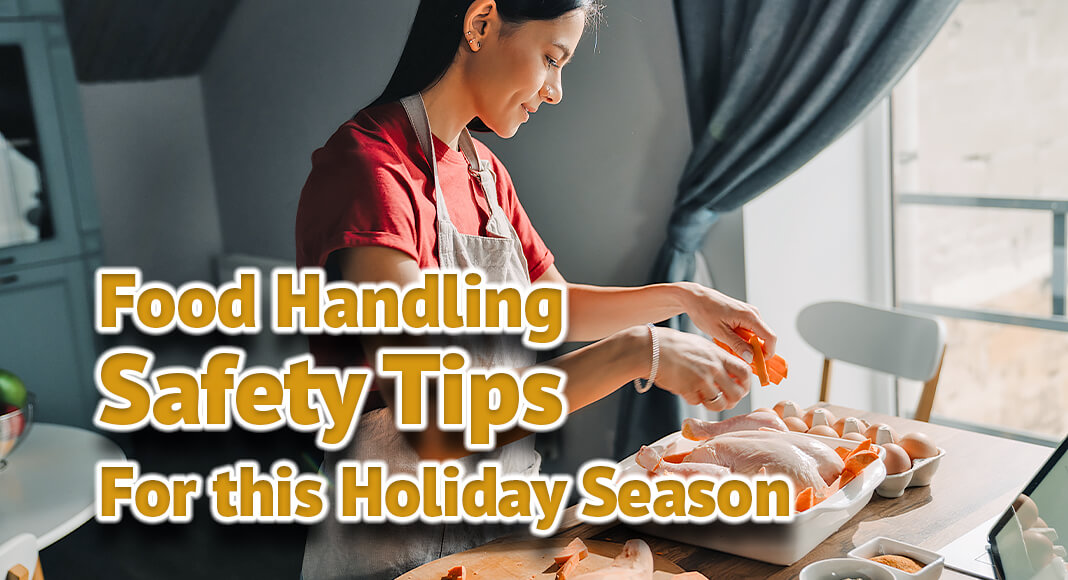
The holiday season is upon us, with many people preparing to spend hours making the perfect meal for their family and friends. But there’s one thing no one wants to bring to the dinner table… food poisoning.
Outbreaks of different types of food poisoning like salmonella, E. coli and listeria tend to rise in the months of November and December, per the Centers for Disease Control and Prevention, with an estimated one in six Americans likely to get sick from food poisoning during the holidays.
From germ-laced countertops to undercooked turkeys, it can be tricky for occasional cooks to prepare big meals in a way that avoids the common hazards that can lead to food-borne illnesses.

So, South Texas Health System is offering the following tips to help keep you and your loved ones healthy while enjoying your holiday feasts:
Clean: It’s important to clean cooking surfaces often as germs that cause food-borne illnesses can survive in many places and spread around your kitchen. You should rinse fresh fruits and vegetables under running water and make sure to wash utensils, cutting boards and countertops with hot, soapy water after prepping each food item.
Separate to avoid cross contamination: Raw meat, chicken and other poultry along with seafood can spread germs to ready-to-eat food unless you keep them separate. If marinating meat, separate it into containers or wrap the meat products securely to keep juices from leaking onto other foods. You should also use one cutting board or plate for raw meat and a separate cutting board for produce, bread and other foods.
Cook to the right temperature: Food is safely cooked when the internal temperature gets high enough to kill germs that can make you sick. Invest in a food thermometer – it’s the only way to tell if food is safely cooked. Except for seafood, it’s hard to tell if food is properly cooked by simply checking its color and texture alone. In general, eggs and all ground meats must be cooked to 160°F; poultry and fowl to 165°F; and fresh meat steaks, chops and roasts to 145°F.
Store food properly: Never leave perishable food out for more than two hours. Bacteria can multiply rapidly if food is left at room temperature. You should refrigerate foods like meat, dairy, fruits and vegetables, and know when to throw out food before it spoils.
Thaw food properly: Thaw frozen food safely in the refrigerator, in cold water or in the microwave. Never thaw food on the counter because bacteria can multiply quickly in the part of the food that reaches room temperature.
The holiday season is intended to be a time to gather and celebrate. By following these tips, you ensure the safety of all your guests partaking in your delicious meals this season.
In case of a medical emergency, go to the nearest emergency room. South Texas Health System has 11 hospital-based emergency rooms and freestanding emergency departments across the Rio Grande Valley with each facility offering quick and efficient care for a wide range of medical emergencies. For more information or to find a location near you, visit www.southtexashealthsystem.com/er.


