







loader image
Saturday, December 20, 2025
61.5 F
McAllen
- Advertisement -

Salt Substitutes Significantly Lower High Blood Pressure Risk, Study Finds

Translate to Spanish or other 102 languages!

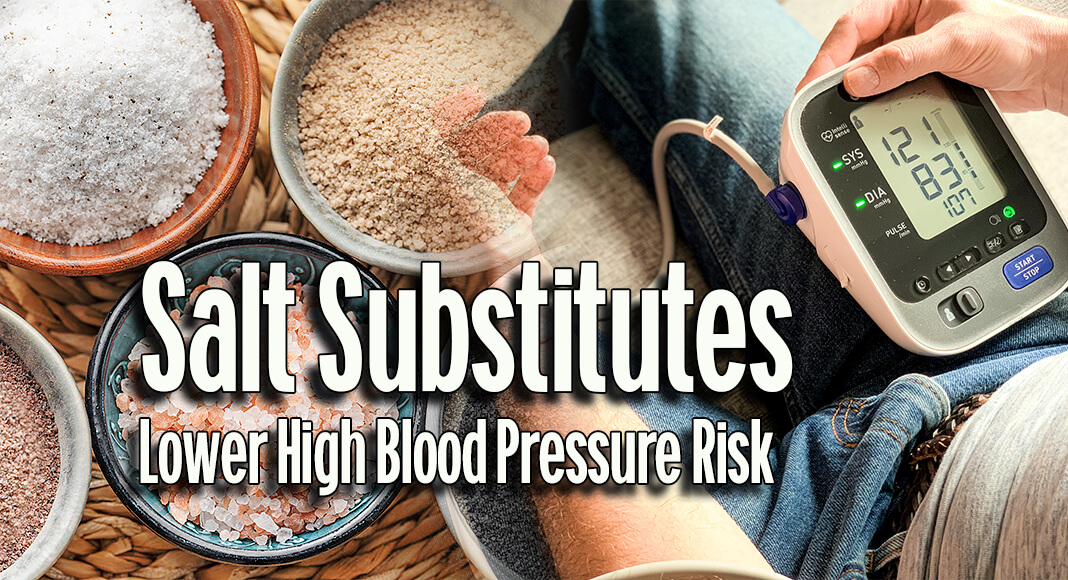
Using salt substitutes to reduce regular salt intake may help lower high blood pressure, research suggests. Image for illustration purposes
- Advertisement -
  • Excess salt consumption is a known risk factor for developing high blood pressure.
  • New research shows swapping regular table salt for a salt substitute could helpregulate blood pressure in older adults.
  • Salt substitutes help minimize sodium intake while increasing potassium intake, both of which are associated with healthy blood pressure levels.

Overconsumption of salt is a global driver of cardiovascular disease and high blood pressure.

Follow the link below to Medical News Today to read the full story:

https://www.medicalnewstoday.com/articles/salt-substitutes-significantly-lower-high-blood-pressure-risk?utm_source=Sailthru%20Email&utm_medium=Email&utm_campaign=MNT%20Daily%20News&utm_content=2024-02-13&apid=&rvid=4ba4ec80177cae00eabc43b8bc6648d598c4a356d104663735777e0a0f8b5c9f

- Advertisement -

Information Source: https://www.medicalnewstoday.com

- Advertisement -

- Advertisement -

- Advertisement -

More Articles

FDA Approves Daily Pill to Treat Low Libido in Women After Menopause

On December 15, 2025, the U.S. Food and Drug Administration (FDA) approved the medication Addyi (flibanserin) for the treatment of hypoactive sexual desire disorder (HSDD) in postmenopausal women under the age of 65.

Heart Association Highlights 2025’s Major Research Findings

In 2025, cardiovascular investigators worldwide reported findings that could help fill important gaps in preventing and managing conditions including high blood pressure, stroke, heart failure, dangerous blood clots and aortic stenosis.

Uniting Experts to Revolutionize Cancer Treatment

More than 70% of all cancers are impacted by mutations caused by a group of DNA-editing enzymes that drives tumor growth and drug resistance. The apolipoprotein B mRNA-editing enzyme catalytic polypeptide, or APOBEC, family, is a dominant factor in many cancers including bladder, breast, cervical, head and neck and lung.

Early Findings Show Breast Cancer Vaccine Produces Immune Response

Cleveland Clinic released its findings from the first phase of the clinical trial for the preventive breast cancer vaccine. 
- Advertisement -
×


