








Is Fasting Really Healthy for You?

A registered dietitian highlights the possible health benefits of intermittent fasting, which continues to grow in popularity.

Translate to Spanish or other 102 languages!

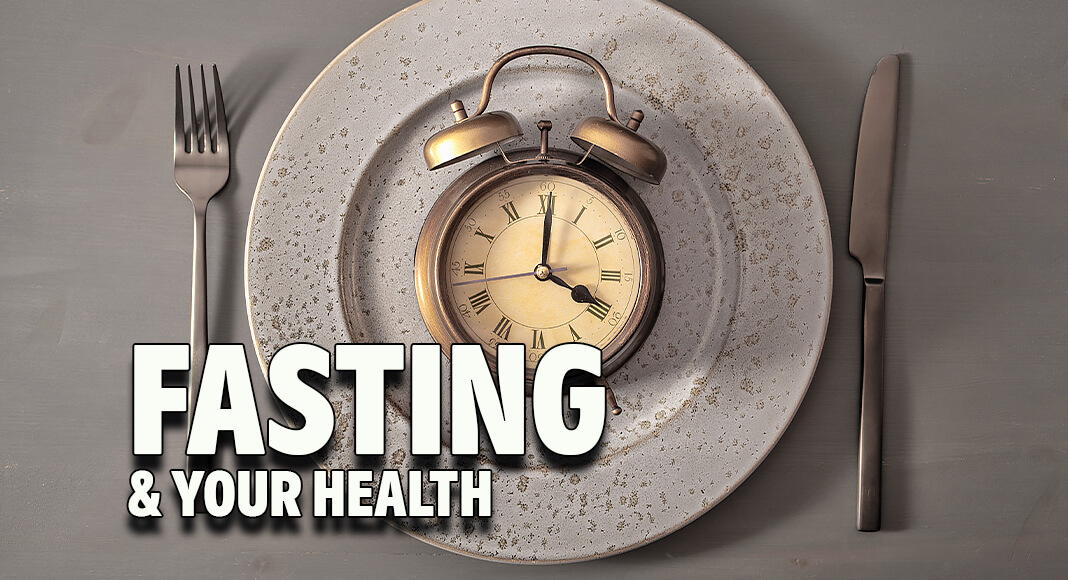
Time-restricted eating is probably the most popular type of fasting. This is keeping your eating to just one window during the day – often people will only eat within an eight-hour window,” said Alexis Supan, registered dietitian with Cleveland Clinic. Image for illustration purposes
- Advertisement -

CLEVELAND CLINIC – Fasting continues to grow in popularity. It’s a pretty simple concept if you’re unfamiliar with the diet, and there are multiple ways you can do it.

“Time-restricted eating is probably the most popular type of fasting. This is keeping your eating to just one window during the day – often people will only eat within an eight-hour window,” said Alexis Supan, registered dietitian with Cleveland Clinic. “Periodic fasting is when people look at the week as a whole, and they choose one or multiple days to either not consume any calories or consume a very low-calorie diet that day, like 500 calories.”

But are either of these approaches actually healthy for you?

- Advertisement -

Supan said those who follow time-restricted eating may feel less hungry throughout the day – but neither promise guaranteed health benefits.

Although intermittent fasting can potentially reduce insulin resistance, research on the overall health benefits has been mixed.

Supan said you should also be cautious if you’re trying to use intermittent fasting to lose weight.

She stresses it’s not a magic formula for weight loss, and you still need to follow healthy eating habits.

- Advertisement -

However, it can help people stick to a schedule when it comes to eating and avoid late-night snacking.

“You still need a well-balanced diet. You still need to be mindful of the foods you’re choosing, but it can be a beneficial rule for people when they’re considering lifestyle changes,” Supan said. “A lot of people like time-restrictive eating because it’s a simple rule to follow – there’s not a lot of calculations or stress around it.”

Supan adds people need to talk to a dietitian or doctor before trying intermittent fasting.

That’s because intermittent fasting can be dangerous for those with certain medical conditions like diabetes.


- Advertisement -
- Advertisement -

- Advertisement -

More Articles

USDA “Real Food First” Rule Doubles Stocking Requirements for SNAP Retailers

The U.S. Department of Agriculture (USDA) published the final rule regarding stocking standards for retailers participating in the Supplemental Nutrition Assistance Program (SNAP), ensuring a broader variety of nutritious food is available to SNAP participants at authorized retailers across the country.

Why Older Adults are Choosing Edibles Over Pills

For adults over 60, cannabis use is increasing faster than in any other demographic.

Ultrasonic Needles Triple the Yield of Cancer Biopsies

Mega Doctor News by Aalto University Newswise — Developed at Aalto University over several years,...

Scientists Reveal the “Hidden Entryway” Gut Bacteria Use to Spark Tumors

Since a landmark 2009 study, researchers have known that a common gut bacterium, Bacteroides fragilis, drives colon tumor formation, potentially leading to colorectal cancer, by secreting a toxin that damages the lining of the colon. But until now, the exact mechanism the toxin uses to latch onto those cells remained a mystery.
- Advertisement -
