








Rise in Pediatric Pneumonia Cases Reported

A rise in pediatric pneumonia cases has been reported. A physician explains why that is and what parents can do to help protect their children.

Translate to Spanish or other 102 languages!

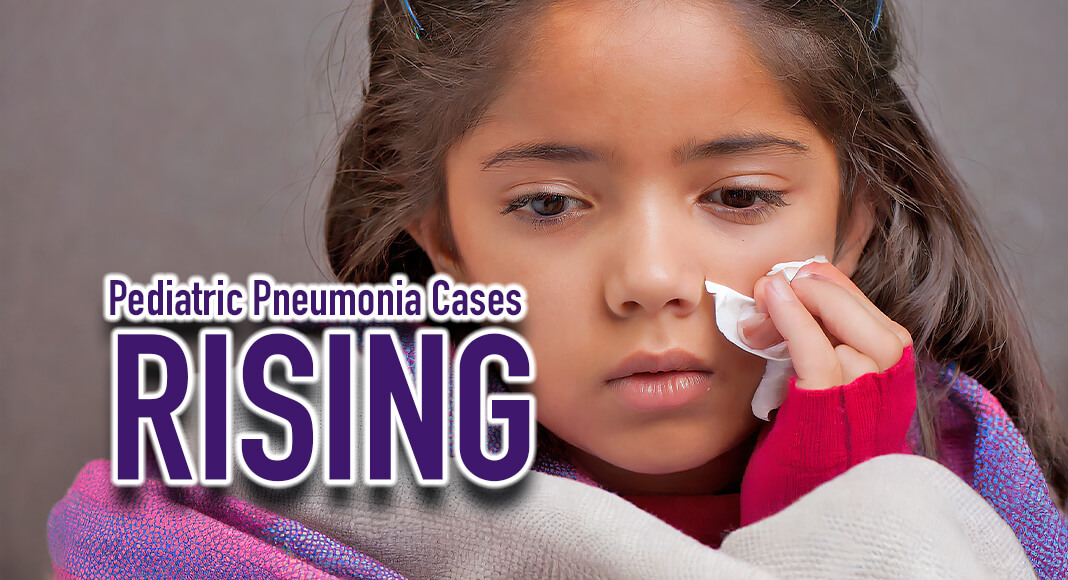
An increase in pediatric pneumonia cases has been reported by the CDC, and that’s causing concern for some parents. (AI) Image for illustration purposes
- Advertisement -

CLEVELAND CLINIC – An increase in pediatric pneumonia cases has been reported by the CDC, and that’s causing concern for some parents. 

But, according to Frank Esper, MD, pediatric infectious disease specialist for Cleveland Clinic, pneumonia is pretty common this time of year.  
 
“This is when most children are back in school, and so instead of the summer where you’re out and playing and separated, now you’ve got 20 plus kids in a room next to each other,” said Dr. Esper. “There’s a lot of opportunities for germs to spread, and that’s why this is the time of year we see a lot of pneumonias and other infections.” 

For those unfamiliar, pneumonia is an infection of the lungs. 

- Advertisement -

Symptoms in children can include fast or trouble breathing, fever, a cough, which may be dry or produce mucus, chills and fatigue. 

An exam is needed to diagnose pneumonia. 

Dr. Esper said the good news is that depending on the type, it can be treated with antibiotics, and most kids recover with no problem. 

So, what can parents do to help protect their little ones? 

- Advertisement -

He said for starters, make sure they are vaccinated. 
 
“The best protection is vaccination. We actually have pneumonia shots that protect against a very bad bacterial pneumonia called pneumococcus. But there’s also influenza, influenza causes pneumonia, and you can get your flu shot every year,” said Dr. Esper. “COVID causes pneumonia. Any child over the age of six months can get both the flu and the COVID shot.” 
 
Dr. Esper said if your child’s symptoms don’t seem be improving with time, or they’re really having trouble breathing, you should call your pediatrician. 

- Advertisement -
- Advertisement -

- Advertisement -

More Articles

New Noninvasive Tech Tracks Infant Vital Signs Without Wires

In the neonatal intensive care unit, the most fragile patients in medicine are often the most heavily wired. Premature babies, some weighing less than a pound, can be tethered to a tangle of cables, monitors, and sensors. Each blood draw to check sugar levels or electrolytes means another needle, another bandage, another moment of stress for an infant whose skin is still forming.

The Truth About Hot Dogs and Your Health

July is National Hot Dog Month. Reports show Americans eat roughly 20 billion hot dogs every year. While they’re okay to have on occasion, they shouldn’t be a regular part of your diet.

Study Links Type 2 Diabetes to Higher Risk of Hearing Loss

Diabetes is well known to increase the risk of complications throughout the body, potentially affecting the eyes, kidneys, and nerves. 

Researchers Unlock New Way to Help Fight Skin Cancer

Researchers at the UNC School of Medicine and UNC Lineberger Comprehensive Cancer Center have identified a potential solution. In a new study published in the Journal of Clinical Investigation, researchers have found that by inhibiting a problematic protein, the immune system can better fight off melanoma, decreasing tumor growth and bolstering the body’s immune cells.
- Advertisement -

