Mega Doctor News


ByAmerican Academy of Sleep Medicine (AASM)
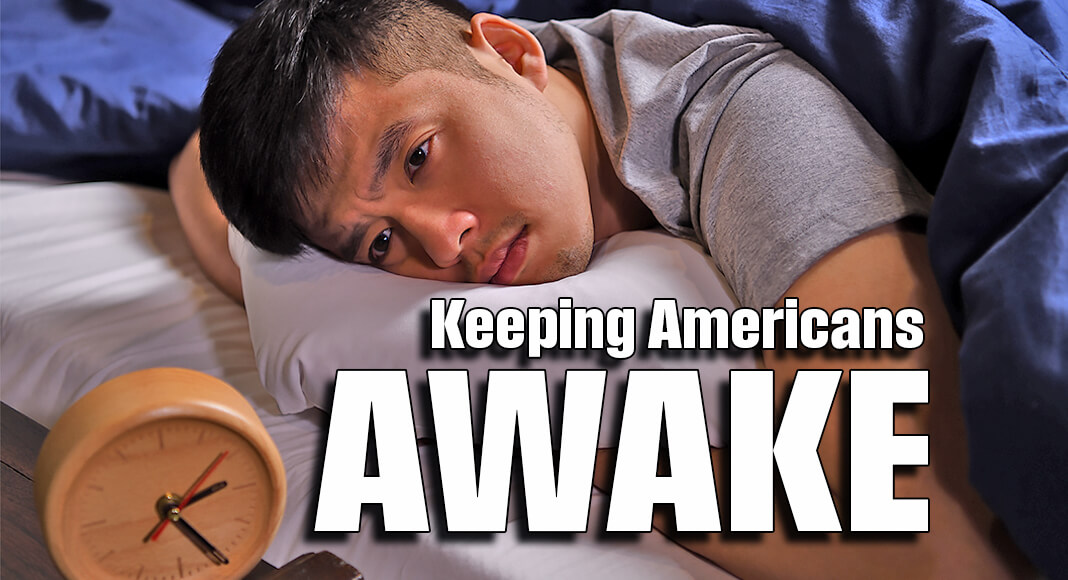
Newswise – A recent survey from the American Academy of Sleep Medicine highlights a surprising paradox: 81% of Americans report losing sleep due to worries about sleep problems. This illustrates the growing pressure to achieve “perfect sleep,” fueled by social media trends, wellness products, and sleep tracking technology.
“Concerns about getting enough high-quality sleep can create a vicious cycle of stress and sleeplessness for some people,” said Dr. Anita Shelgikar, a sleep medicine physician and president-elect of the AASM. “Prioritizing sleep is great for overall health and wellbeing. For some, however, a heavy focus on optimizing sleep can actually lead to a decrease in sleep quality and sleep quantity.”

According to an article in The New York Times, the rise of so-called “sleep maxxers” has contributed to this cultural shift. These individuals embrace rigorous sleep optimization routines, from advanced tracking apps to highly structured rituals, often in pursuit of achieving the “perfect” eight hours of sleep. While these efforts are intended to improve rest and sleep hygiene, experts caution that they can unintentionally fuel sleep anxiety, a condition that has been called “orthosomnia.”
“Sleep maximization can sometimes turn what should be a restorative process into a high-pressure task,” Shelgikar added. “Highly detailed sleep tracking and optimization can cause some individuals to become overly critical of their sleep patterns, leading to heightened stress and potentially worsened sleep over time.”
The AASM recommends the following strategies to ease worries and promote better sleep:
Create a relaxing environment: Make your bedroom a calming space. Keep it dark, quiet, and cool, and invest in comfortable bedding.
Practice relaxation techniques: Engage in activities such as deep breathing, meditation, or journaling to help calm and clear your mind before bedtime.
Understand the role of sleep tracking data: If you’re using sleep technologies, think of them as guides and tools, not rigid scorekeepers.
Seek professional help: If you continue to experience sleep-related stress or sleeplessness, talk with your healthcare professional or sleep medicine specialist for further evaluation of your sleep.
“Sleep doesn’t have to be perfect every night,” Shelgikar added. “The key is focusing on sustainable habits and broad trends related to your sleep. The goal is to get the amount of sleep you need to wake up refreshed and well-rested on a regular basis.”
Anyone who has a sleep problem can use the AASM’s sleep center directory to get help from the sleep team at an accredited sleep center.
View 2024 AASM Sleep Prioritization Survey results in the AASM newsroom.
About the Survey
The American Academy of Sleep Medicine commissioned an online survey of 2,006 adults in the U.S. The overall margin of error fell within +/- 2 percentage points with a confidence interval of 95 percent. Fieldwork took place between May 16-24, 2024. Atomik Research is an independent market research agency.
About the American Academy of Sleep Medicine
Established in 1975, the AASM is a medical association that advances sleep care and enhances sleep health to improve lives. The AASM membership includes more than 9,500 physicians, scientists, and other health care professionals who help people who have sleep disorders. The AASM also accredits 2,300 sleep centers that are providing the highest quality of sleep care across the country (aasm.org).