








Protecting Your Child from RSV this Winter

Translate to Spanish or other 102 languages!

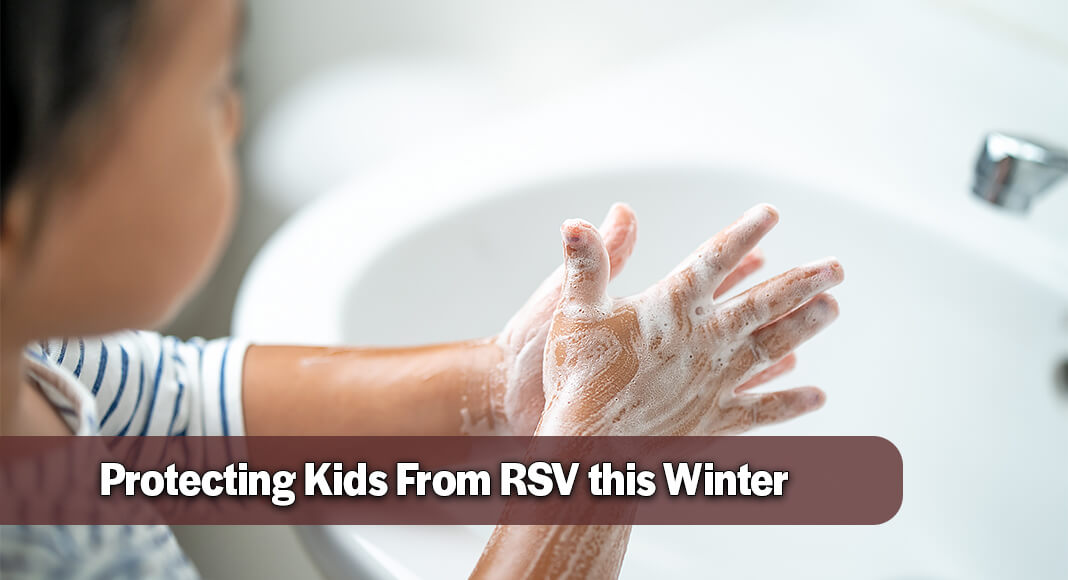
Dr. Barrett recommends regularly washing your child’s hands, keeping them away from anyone who is sick and sanitizing high touch surfaces. Image for illustration purposes
- Advertisement -

CLEVELAND CLINIC – It may be flu season, but there are other viruses we need to watch out for this winter, like RSV. 

“RSV, also known as respiratory syncytial virus, is a respiratory virus that is everywhere in the community. The reason it gets a bad rep is because it’s very effective at infecting the lower respiratory tract, so things like the lungs and the bronchioles. And that can get little babies, less than two in trouble if they get infected,” said Kristin Barrett, MD, a pediatrician at Cleveland Clinic Children’s.

Dr. Barrett said RSV is highly contagious and typically spreads through respiratory droplets or by direct contact with someone who is sick. 

- Advertisement -

Symptoms can include a runny nose, congestion, coughing, sneezing, fever, wheezing, and in severe cases, difficulty breathing. 

So, what can parents do to prevent RSV?

Dr. Barrett recommends regularly washing your child’s hands, keeping them away from anyone who is sick and sanitizing high touch surfaces. 

For example, light switches and doorknobs. 

- Advertisement -

There’s also an immunization shot available for babies and certain children. 

“It is a one-time injection of RSV antibodies. The antibodies last for about six months, so they protect babies through that most vulnerable time of the year. RSV is usually from October through March. The injection results in about a 70% risk reduction for needing to seek medical intervention when a baby is infected with RSV,” she said. 

Dr. Barrett said if your child gets RSV, they can usually recover at home with supportive care. 

However, if their condition starts to worsen, it’s important to seek medical attention right away. 

- Advertisement -
- Advertisement -

- Advertisement -

More Articles

The Science Behind Why Dietary Changes Rarely Stick

Learning new eating habits isn’t simple. Our pre-existing feelings around food—whether it’s a distaste for olives or a love of pastries—could make it harder to learn new eating habits, according to new research from Yale School of Medicine.

STHS Hospitals Urge Community Action Against Bullying

Whether it comes in the form of hurtful words, social exclusion or online harassment, bullying can take a serious toll on a person's mental, emotional and social well-being.

STHS Children’s Annual Children’s Fall Festival, Oct. 23rd

Calling all little ghosts, goblins, princesses and superheroes! With Halloween just around the corner, it's almost time to put on those costumes and get ready for an eerie-sistibly exciting celebration. 

STHS Children’s & Spirit Halloween’s Halloween Party for Pediatric Patients, Oct. 14th

Being in the hospital can be an overwhelming experience for anyone, especially children. Between unfamiliar surroundings, separation from friends and family, and the need to undergo medical procedures, young patients can often face added stress and anxiety during their hospital stay.
- Advertisement -

