








CPR: The Difference Between Tragedy and a Miracle

Translate to Spanish or other 102 languages!

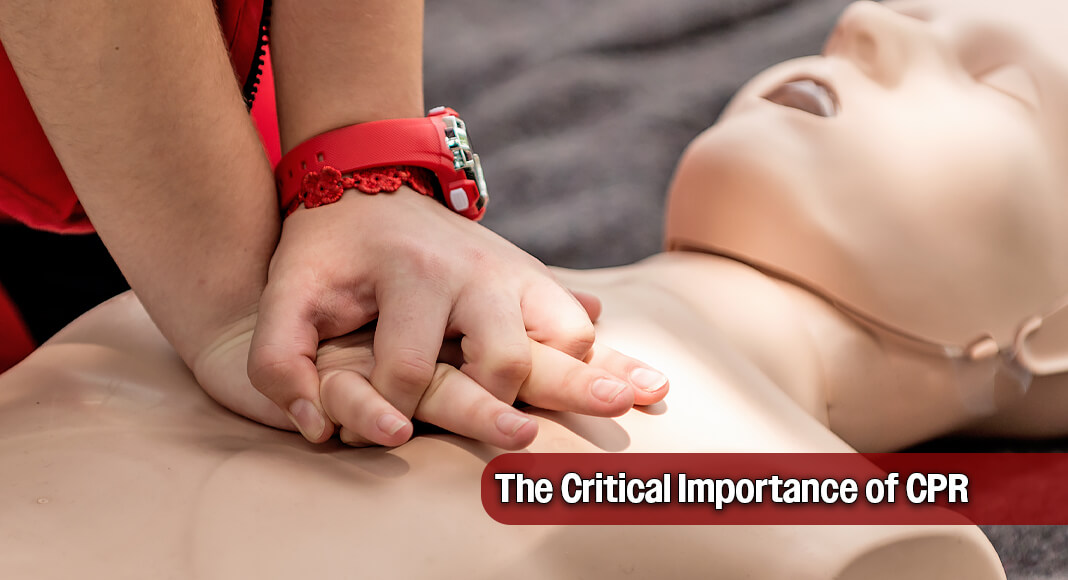
June is National CPR and AED Awareness Month. If you don’t know how to do CPR, now is a good time to learn – especially since it can double or triple a person’s chances of survival after cardiac arrest. Image for illustration purposes
- Advertisement -

CLEVELAND CLINIC- June is National CPR and AED Awareness Month. If you don’t know how to do CPR, now is a good time to learn – especially since it can double or triple a person’s chances of survival after cardiac arrest.

“Cardiac arrest is when your heart stops beating, and that can be due to many different reasons. One of the most common reasons is a heart attack. That doesn’t always lead to a cardiac arrest, but in the worst cases, it does,” said Grant Reed, MD, cardiologist at Cleveland Clinic.

Dr. Reed said cardiac arrest can be deadly within a matter of minutes, which is why it’s important to perform CPR right away.

- Advertisement -

If you’ve never done it before, here are a few tips to keep in mind.

First, make sure the scene is safe and have someone call 911.

If you’re alone, call and put the phone on speaker.

You should then check to see if the person is breathing and has a pulse. If not, immediately start chest compressions.

- Advertisement -

The red cross recommends 100 to 120 chest compressions per minute.

Mouth-to-mouth resuscitation is optional.

“The most important thing is that you start circulating the blood. If you were to do one thing for a patient, or person who has passed out, and has a cardiac arrest, it is doing chest compressions. It’s actually not a recommendation that you need to do rescue breaths if you’re not comfortable with this,” he said.

Dr. Reed said knowing how to use an AED is just as crucial.

They can be found in many public places and include very simple instructions.

He adds that AEDs are not meant to replace CPR but to be used along with it.

- Advertisement -
- Advertisement -

- Advertisement -

More Articles

DHR Health Offers Free Medical Skills Labs for Hands-On Practitioner Training, July 23rd & 24th  

DHR Health, together with the Valley Athletic Trainers Association (VATA), will once again collaborate for the 4th Annual Texas Emergency Athletic Management Seminar (TEAMS) event.

The Hidden Chemicals Lurking in E-Cigarettes

Compared with traditional cigarettes, electronic cigarettes can seem simple and harmless. After all, they trade the eye-stinging smoke of burning tobacco leaves for something that looks like steam and might smell like air freshener. But that aroma masks a complex chemical mix that definitely worries experts who study the ingredients and effects of e-cigarettes, or vapes as they’re also known.

How Emerging Tick-Borne Viruses Evade the Human Immune System

Warmer temperatures bring out ticks that spread diseases such as Lyme disease and Rocky Mountain spotted fever. But another class of emerging tick-borne pathogens — nairoviruses — is on the rise.

STHS Children’s Presents $4,770 Donation to Ronald McDonald House Charities

When a child is hospitalized, having loved ones nearby can provide comfort, strength and hope during an incredibly challenging time.
- Advertisement -

