



Mega Doctor News
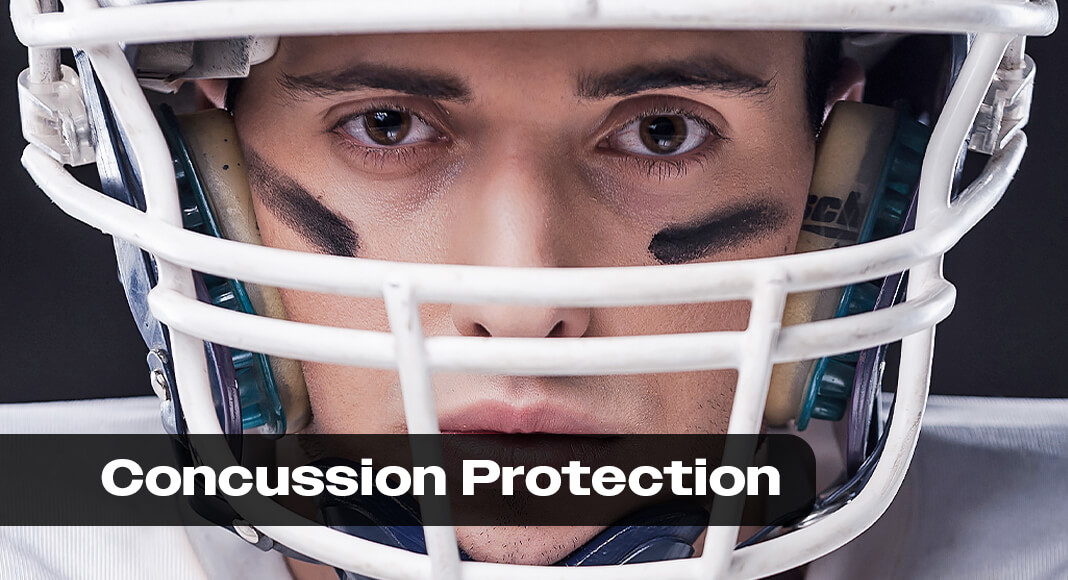
CLEVELAND CLINIC – High school football practices are in full swing, but along with the excitement of a new season, comes concerns about concussion – which is considered a mild traumatic brain injury.
Football leads all high school sports in the number of concussions suffered.
So, is there a tool athletes can use to protect their brains while playing the sport they love?

“There are a lot of different items on the market such as collars, or helmet covers that athletes are using that are billed to prevent concussion,” said Marie Schaefer, MD, a sports medicine specialist at Cleveland Clinic. “Unfortunately, none of these things have solid evidence behind them.”
Dr. Schaefer added that while there’s no equipment proven to prevent concussion, there are ways to reduce risk.
For example, strengthening muscles in the head, neck and upper back may help.
Wearing a mouth guard may also offer some protection, especially for hockey players.
But the most important thing is to know when to stop playing.
“Where athletes really get themselves into trouble – they continue to play. They get another, even minor, hit, and the symptoms get even more amplified,” she said. “There is the risk of something called ‘second impact syndrome’ where if you have a head injury and then you get another hit, your brain could actually swell, and you become unconscious, and it could lead to death. So, that’s why it’s very important to report these as soon as you feel the symptoms.”
Concussion symptoms can include headache, dizziness and sensitivity to light – among a host of others.
If an athlete suspects they’ve suffered a concussion, Dr. Schaefer emphasizes the importance of stopping play and seeking medical attention.
The sooner an athlete is evaluated, the sooner they’ll be on the road to recovery.