








Mega Doctor News
Texas Border Business
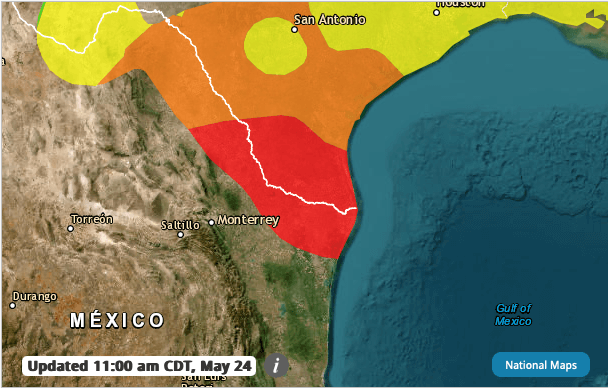
As of May 24, 2024, the air quality in the entire South Texas region has reached alarming levels, with the primary pollutant being PM2.5. The PM2.5 level currently stands at 183 on the Air Quality Index (AQI), marking it as “Unhealthy”. This high concentration of fine particulate matter poses significant health risks to the population.
Understanding PM2.5 and Its Impact

PM2.5 refers to particulate matter with a diameter of less than 2.5 micrometers. These tiny particles can penetrate deep into the lungs and even enter the bloodstream, leading to a range of serious health issues. Common sources of PM2.5 include vehicle emissions, industrial processes, and residential heating.
Health Implications
Exposure to elevated levels of PM2.5 can cause various health problems, particularly for vulnerable groups such as people with heart or lung disease, older adults, children, and teens. Even healthy individuals can experience adverse effects if they are exposed to these conditions for prolonged periods.
Steps to Protect Yourself
Given the current PM2.5 level, taking steps to minimize exposure and protect health is crucial. Here are specific recommendations based on your health status:
For People with Heart or Lung Disease, Older Adults, Children, and Teens:
Avoid Strenuous Outdoor Activities: Refrain from engaging in activities that require heavy exertion, as this can increase inhalation of harmful particles.
Limit Outdoor Activities: Keep any necessary outdoor activities short to reduce exposure.
Move Activities Indoors: Move physical activities indoors where air filtration systems can provide cleaner air. Alternatively, consider rescheduling activities to a time when air quality is better.
For Everyone Else:
Choose Less Strenuous Activities: To reduce the rate of breathing and inhalation of pollutants, opt for activities that do not require intense physical exertion, such as walking instead of running.
Reduce Time Outdoors: Limit the time spent outdoors to minimize exposure to unhealthy air.
Be Mindful of Air Quality: Stay informed about the current air quality by checking local air quality maps and understanding the AQI scale. Plan outdoor activities when the air quality is expected to improve.
Monitoring Air Quality
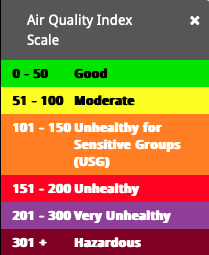
Regularly monitoring air quality levels can help make informed decisions about outdoor activities. The AQI scale provides valuable information about the health implications of different pollutant levels. Understanding what each color on the AQI map signifies can guide you in appropriate actions to protect your health.
This report highlights the urgent need for addressing air pollution and its sources in South Texas. While immediate steps can help mitigate health risks, long-term solutions are essential to ensure cleaner air for everyone. By staying informed and taking proactive measures, we can better safeguard our health against the adverse effects of poor air quality. See the Current map and scale.
Source: Aairnow.gov


