Mega Doctor News
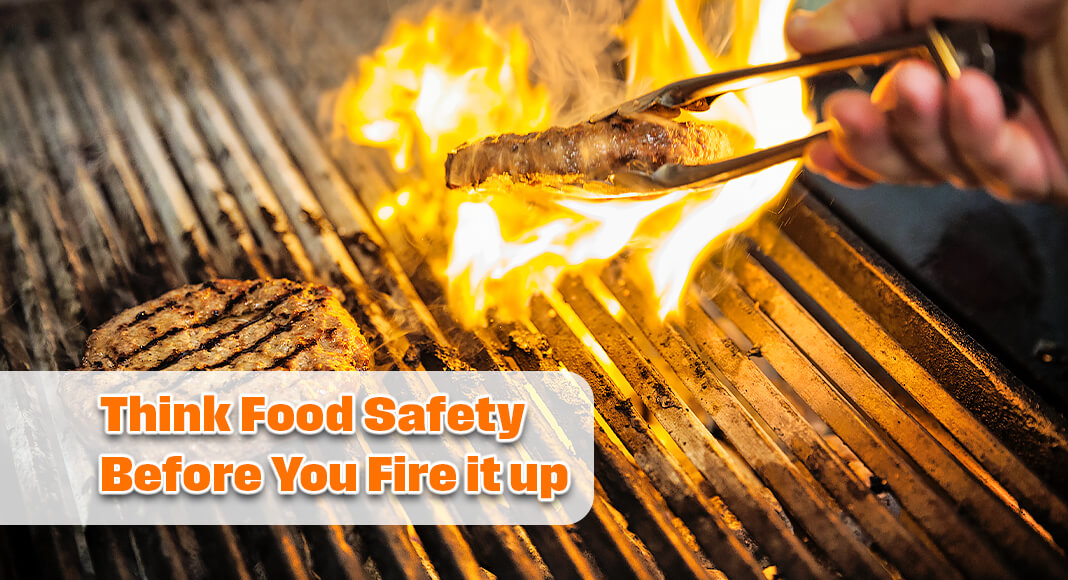
CLEVELAND CLINIC – Now that it feels like summer, it’s time for some backyard barbecues, but before you fire up that grill, it’s important to keep food safety in mind.
Every year, millions of people get sick from food poisoning.
“If you think about common foodborne illnesses, the number one we see is norovirus. Other common foodborne illnesses are going to be salmonella and campylobacter. Those are frequently associated with raw poultry. And then another one to think about is listeria, which we commonly associate with raw dairy products and also with deli meats,” said Donald Dumford, MD, infectious disease specialist at Cleveland Clinic.

Dr. Dumford said the number one way to help prevent food poisoning is by washing your hands before handling any food.
He also recommends keeping raw meat away from produce during preparation to avoid cross-contamination.
For example, if you’re chopping up vegetables, do not use the same cutting board or knife for the raw meat.
Raw meat needs to be thoroughly cooked as well.
According to the USDA, ground meats should be cooked to an internal temperature of at least 160-degrees.
Red meats, like steak, roasts, or chops, should reach 145 degrees and then rest for three minutes.
“As we enter the summer and we’re having those picnics, we’re having those barbecues, we do have to think about, not just safe food preparation, but safe food handling and storage,” said Dr. Dumford. “You really don’t want things sitting out for long periods of time. If they’re sitting there, that’s going to allow the chance for bacteria to start to propagate and that could increase the risk for people getting sick from it.”
While anyone can get food poisoning, there are certain groups considered higher risk.
They include young children, pregnant women, the elderly and individuals who are immunocompromised.