Mega Doctor News
What Is Prediabetes?
Prediabetes is a serious health condition where blood sugar levels are higher than normal, but not high enough yet to be diagnosed as type 2 diabetes. Approximately 96 million American adults—more than 1 in 3—have prediabetes. Of those with prediabetes, more than 80% don’t know they have it. Prediabetes puts you at increased risk of developing type 2 diabetes, heart disease, and stroke.
The good news is that if you have prediabetes, the CDC-led National Diabetes Prevention Program can help you make lifestyle changes to prevent or delay type 2 diabetes and other serious health problems.
What Causes Prediabetes?
Insulin is a hormone made by your pancreas that acts like a key to let blood sugar into cells for use as energy. If you have prediabetes, the cells in your body don’t respond normally to insulin. Your pancreas makes more insulin to try to get cells to respond. Eventually your pancreas can’t keep up, and your blood sugar rises, setting the stage for prediabetes—and type 2 diabetes down the road.

Signs & Symptoms
You can have prediabetes for years but have no clear symptoms, so it often goes undetected until serious health problems such as type 2 diabetes show up. It’s important to talk to your doctor about getting your blood sugar tested if you have any of the risk factors for prediabetes, which include:
- Being overweight
- Being 45 years or older
- Having a parent, brother, or sister with type 2 diabetes
- Being physically active less than 3 times a week
- Ever having gestational diabetes (diabetes during pregnancy) or giving birth to a baby who weighed more than 9 pounds
- Having polycystic ovary syndrome
Race and ethnicity are also a factor: African Americans, Hispanic/Latino Americans, American Indians, Pacific Islanders, and some Asian Americans are at higher risk.
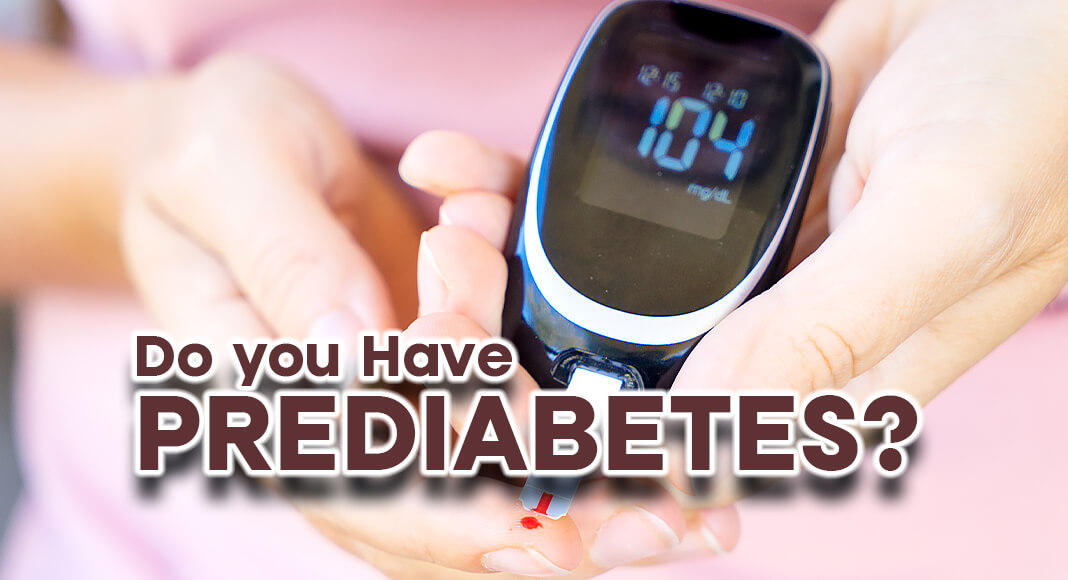
Simple Blood Sugar Test
You can get a simple blood sugar test to find out if you have prediabetes. Ask your doctor if you should be tested.
Preventing Type 2 Diabetes
If you have prediabetes, losing a small amount of weight if you’re overweight and getting regular physical activity can lower your risk for developing type 2 diabetes. A small amount of weight loss means around 5% to 7% of your body weight, just 10 to 14 pounds for a 200-pound person. Regular physical activity means getting at least 150 minutes a week of brisk walking or a similar activity. That’s just 30 minutes a day, five days a week.
A lifestyle change program offered through the CDC-led National Diabetes Prevention Program can help you make those changes—and make them stick. Through the program, you can lower your risk of developing type 2 diabetes by as much as 58% (71% if you’re over age 60). Highlights include:
- Working with a trained coach to make realistic, lasting lifestyle changes.
- Discovering how to eat healthy and add more physical activity into your day.
- Finding out how to manage stress, stay motivated, and solve problems that can slow your progress.
- Getting support from people with similar goals and challenges.
Ask your doctor or nurse if there’s a CDC-recognized National Diabetes Prevention Program offered in your community or find one here. The best time to prevent type 2 diabetes is now.
Information Source: CDC