







Mega Doctor News

By Roberto Hugo González
In the Rio Grande Valley, the thrill of navigating the rugged terrain on All-Terrain Vehicles (ATVs) and Utility Task Vehicles (UTVs) has become a beloved pastime. However, this surge in outdoor activities has been shadowed by a grim rise in accidents and fatalities involving these vehicles. This issue transcends mere statistics; it signifies families forever changed, aspirations cut short, and communities in mourning. Lives that could have been safeguarded are being lost, compelling an urgent call for action.
In a groundbreaking response, the DHR Health Level I Trauma Center, in partnership with the Hidalgo County Sheriff’s Office, has launched an innovative initiative to curb this alarming trend of preventable tragedies. Creating a free, hands-on ATV Injury Prevention Course is pivotal in this mission. This program is not just an educational course; it’s designed to arm ATV riders with essential skills and knowledge to ensure their safety.

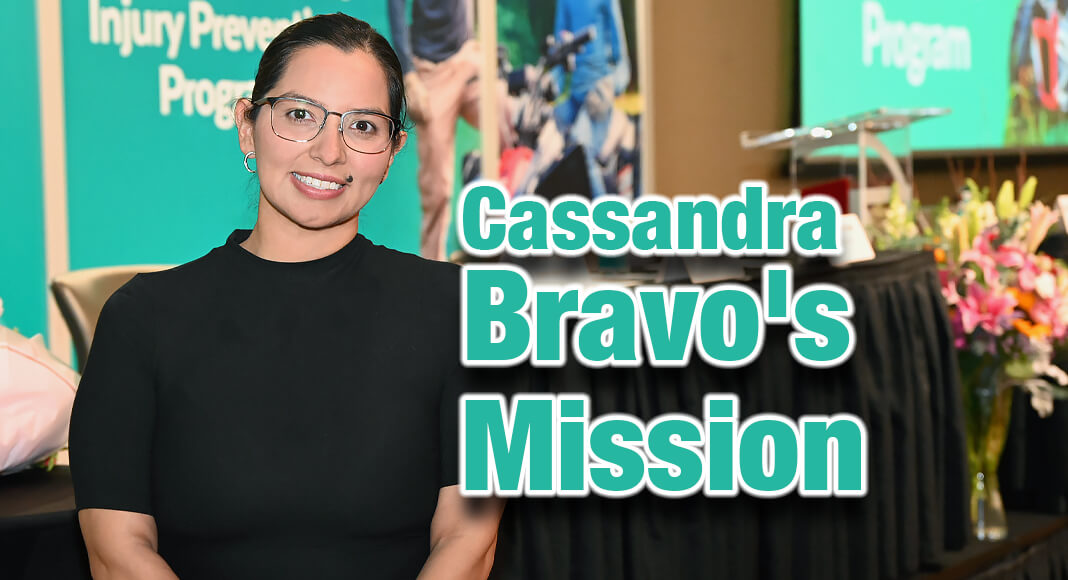
At the heart of this initiative is Cassandra Bravo, the dedicated Trauma Injury Prevention & Outreach Coordinator at DHR Health. Cassandra from Brownsville’s profound love for her community drives her commitment to making a tangible difference in the Rio Grande Valley.
Cassandra, a certified instructor through the ATV Safety Institute, leads the charge in this vital education effort. “This weekend, we will host our first class,” Bravo reveals, stressing the personal and community-driven approach of the program. The course, she explains, is an intimate, hands-on experience tailored to ensure effective learning and retention. It culminates with a session by the sheriffs, exploring the pertinent rules and regulations within the county.
The need for such an initiative is evident, prompted by Cassandra’s experiences and observations in her career, including her tenure as a medic and her service in the military. The distressing rise in ATV and UTV-related incidents, she notes, is not confined to specific cities but is a valley-wide concern. The course, initially set to be offered quarterly, may become a monthly endeavor based on demand, reflecting the community’s recognition of the program’s value.
In addition to the training sessions, outreach efforts to ATV vendors have been instrumental in amplifying the safety message. Vendors across the Valley have been briefed about the program, with some even distributing flyers to promote it. This combined approach emphasizes a shared commitment to prioritizing rider safety over sales.
Cassandra’s message to the community is clear and heartfelt: “We are doing this for them.” This statement transcends the pursuit of recognition, focusing instead on spreading awareness and fostering a safety culture. The ATV Injury Prevention Course is coming together to safeguard lives against the Rio Grande Valley’s natural beauty backdrop and steer individuals toward safer adventures on the trails.
If you have additional questions, please contact the Injury Prevention Division at (956) 362-6285 or by email at c.bravo@dhr-rgv.com.


