








loader image
Friday, January 23, 2026
80.5 F
McAllen
- Advertisement -

Pediatric Flu Cases on the Rise

Flu cases are continuing to rise across the country. A pediatric infectious disease specialist offers advice on how to prevent further spread.

Translate to Spanish or other 102 languages!

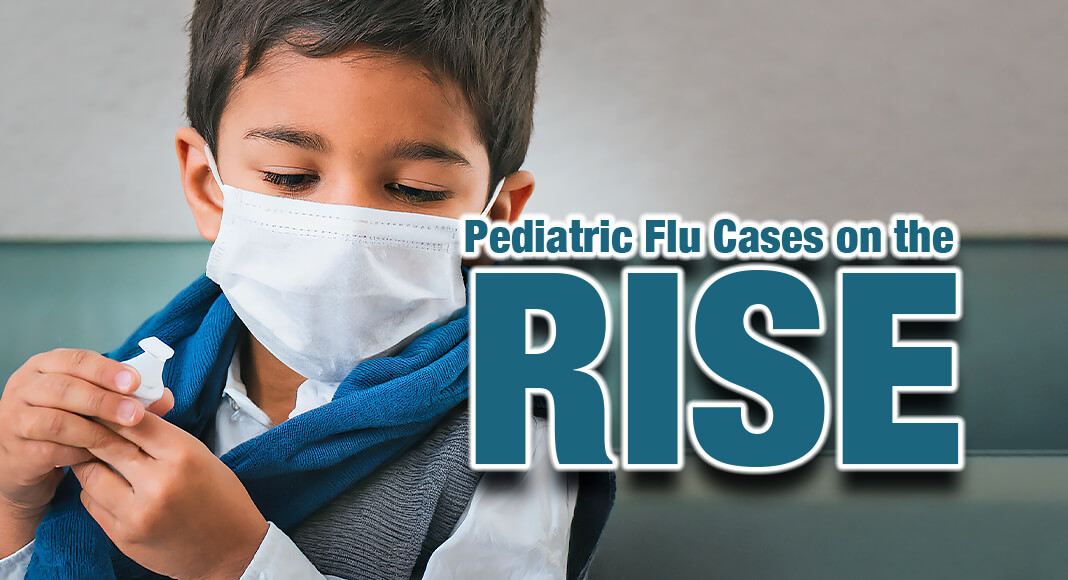
Now that the holidays are over and kids are back to school, more cases of the flu are being reported, Frank Esper, MD, pediatric infectious disease specialist with Cleveland Clinic Children’s, said is to be expected. Image for illustration purposes
- Advertisement -

CLEVELAND CLINIC – Now that the holidays are over and kids are back to school, more cases of the flu are being reported, Frank Esper, MD, pediatric infectious disease specialist with Cleveland Clinic Children’s, said is to be expected.

“Influenza does this, where it slowly goes up week after week, and then it really hits a peak and goes up exponentially for about three, four weeks and then finally subsides,” Dr. Esper explained.
 
The flu is a common respiratory virus and can easily spread. 

Symptoms often include fever, chills, body aches, cough, headaches, sore throat, runny or stuffy nose and fatigue. 

- Advertisement -

In mild cases, Dr. Esper said it can be treated at home with supportive care, like getting plenty of rest, staying hydrated, and taking pain relievers to help with headaches, body aches and fevers. 

Anti-viral medications are also available under certain circumstances. 

So, how can you and your little ones avoid getting sick? 

Dr. Esper said be sure to regularly wash your hands, sanitize high touch areas and get the flu vaccine if you haven’t. 
 
“The flu vaccine and the flu virus that’s in the community right now are pretty good matches based on the initial tests. So it’s going to help protect you from getting the flu, but more importantly, it will protect you from getting really, really bad flu, like that gets you in the hospital or on a breathing machine.” 
 
Dr. Esper said it’s also very important for people who are 65 and older, children under five, pregnant women, and those with pre-existing health conditions to get vaccinated, since they are considered more vulnerable. 

- Advertisement -
- Advertisement -

- Advertisement -

More Articles

Urgent Care or the Emergency Department? How to Know Where to Go

From the busy cold and flu season to winter sports injuries and slips on the ice, it can be difficult to determine whether a sudden health concern requires a trip to urgent care or the emergency department (ED).

Hormone Therapy Boosts Weight-Loss Effects of Tirzepatide in Postmenopausal Women

Mega Doctor News By Jessica Saenz / Mayo Clinic JACKSONVILLE, Fla. — A new...

Congress Finalizes Health Package Restoring Telehealth and More

Congressional leaders have agreed to a bicameral, bipartisan package of health care proposals that includes parts of the American Medical Association’s (AMA) policy agenda. 

What Updated Heart and Stroke Statistics Mean for Your Well‑Being

An updated guide to the latest research on heart disease and stroke is filled with crucial data for experts fighting those debilitating problems.
- Advertisement -
×

