










Mega Doctor News

By Moffitt Cancer Center
Newswise — TAMPA, Fla. — Immune checkpoint inhibitors that activate the immune system to target cancer cells have greatly impacted the lives of cancer patients by improving survival and providing an alternative to chemotherapy. However, it is unclear how immune checkpoint inhibitors affect patients’ quality of life, symptoms and physical functioning. In a new article published in the Journal of the National Cancer Institute, Moffitt Cancer Center researchers report that patients treated with immune checkpoint inhibitors have a higher self-reported quality of life than patients treated with other types of therapy.
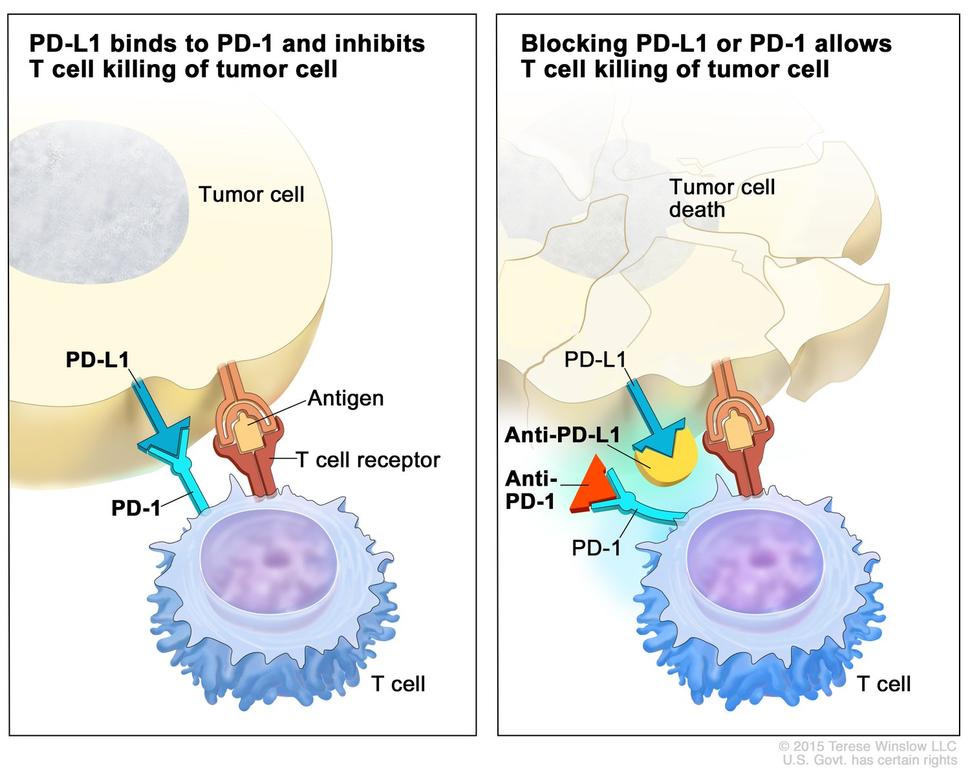
Immune checkpoint inhibitors are approved to treat a variety of solid tumor types and lymphomas. The therapy works by blocking the activity of the proteins PD-1, PD-L1 or CTLA-4, resulting in stimulation of the immune system and promotion of anti-tumor activity. Current immune checkpoint inhibitors include the drugs atezolizumab, avelumab, durvalumab, ipilimumab, nivolumab and pembrolizumab.

There is limited information about how treatment with immune checkpoint inhibitors impacts a patient’s life, and how that compares to standard treatment options. In general, it is hoped that cancer treatments will ultimately improve the overall quality of life as the tumor recedes, and patients enter remission. However, all cancer therapies, including immune checkpoint inhibitors, are associated with side effects that could affect a patient’s daily life, such as their ability to work. Chemotherapy tends to be associated with more severe adverse events than targeted therapies such as immune checkpoint inhibitors because of the nondiscriminatory impact of chemotherapy on both cancer cells as well as normal cells. Ultimately, the anti-tumor activity of various treatment regimens combined with their associated side effects can result in both positive and negative effects on patients’ quality of life.
Moffitt researchers performed an extensive meta-analysis of 26 published studies that analyzed self-reported changes in quality of life, physical functioning and symptoms among patients treated with immune checkpoint inhibitors. Although many studies focus on symptoms assessed by doctors, the authors of this meta-analysis focused on patients’ own perceptions. Moffitt researchers analyzed self-reported outcomes of patients administered immune checkpoint inhibitors before and after treatment and compared that with patients who were treated with other therapies.
They discovered that in general, patients’ quality of life did not change significantly over time upon treatment with immune checkpoint inhibitors. However, quality of life was better among patients treated with immune checkpoint inhibitors when compared to patients treated with other therapies.
The researchers also assessed specific disease and treatment symptoms among the studies. They found that patients treated with immune checkpoint inhibitors reported less symptoms of appetite loss, insomnia, and pain severity, but increased symptoms of breathing difficulty. They did note that differences existed among the regimens and tumor types. For example, patients treated with the CTLA-4 inhibitor ipilimumab reported a worsening of quality of life, particularly among melanoma patients, whereas other immunotherapies were associated with either an improved or stable quality of life.
The research team hopes these findings will help patients better understand what to expect with checkpoint inhibitor therapy. “A growing number of patients are receiving immune checkpoint inhibitors and need evidence-based information regarding what to expect on treatment,” said Brian D. Gonzalez, Ph.D., lead author and associate member in the Department of Health Outcomes and Behavior at Moffitt. “This study is among the first to aggregate data about patient-reported outcomes of immunotherapy. These data can be used to reassure patients and their families that most can expect stable or improved global quality of life on average with PD-1/PD-L1 inhibitors and slight decrements in global quality of life in CTLA-4 inhibitors.”


