







Mega Doctor News

Mega Doctor News
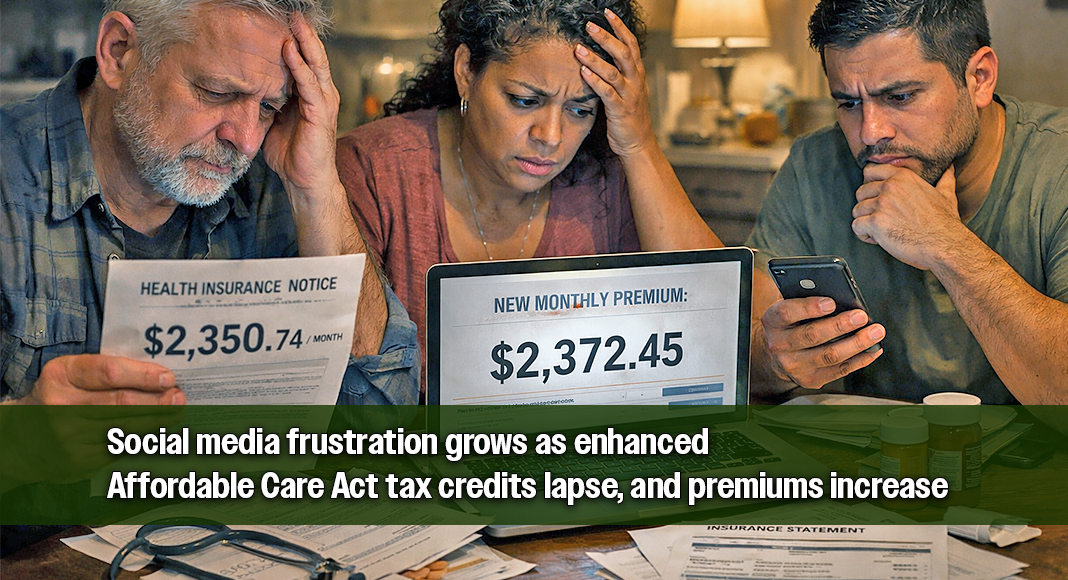
Millions of Americans are expressing anger, fear, and confusion on social media after learning that enhanced Affordable Care Act premium subsidies expired at the end of 2025, leading to higher monthly health insurance costs in 2026. While the ACA itself remains in place, the loss of temporary financial assistance has changed what many people now pay for coverage.
On Reddit, one user wrote, “I just logged into the marketplace, and my premium went from $96 a month to over $2,300. Nothing about my income changed. I feel sick.” Another commented, “This isn’t a small increase. This is life-changing for people with medical conditions.”

The expired subsidies were first expanded during the COVID-19 pandemic and later extended through 2025. They lowered monthly premiums for millions of enrollees and removed the income cap that previously limited who qualified for help. Congress did not renew those enhancements before the deadline, and insurers priced 2026 plans assuming the extra aid would end.
On X, formerly known as Twitter, users have shared screenshots of renewal notices showing steep increases. One widely shared post read, “Same plan. Same doctor. Same job. Triple the cost. How is this sustainable?” Another user wrote, “People keep saying Obamacare is gone. It’s not. What’s gone is the help that made it affordable.”
Instagram and TikTok videos show short, emotional explanations aimed at followers navigating open enrollment. In one reel, a creator says, “This is why your premium just exploded. Congress let the ACA subsidies expire. Please don’t think you did something wrong.”
Facebook groups focused on health insurance and retirement planning have become forums for long threads comparing costs. One commenter posted, “We’re a couple in our early 60s. We don’t qualify for Medicare yet. Our plan is now more than our mortgage used to be.” Another responded, “We’re considering going uninsured for the first time in our adult lives.”
Some posts incorrectly claim the Affordable Care Act itself has ended, but many users push back against that framing. “The ACA is still law,” one Reddit commenter explained. “What expired were the enhanced tax credits that made it affordable for middle-class families.”
The political debate is also visible online. Some users place blame squarely on Congress for failing to act. “This didn’t just happen,” one post read. “Lawmakers knew the deadline and did nothing.” Others argue about spending priorities or whether the subsidies should have been permanent in the first place.
Health policy analysts have warned that higher premiums could lead some people to drop coverage entirely, particularly older adults and those with chronic conditions who do not yet qualify for Medicare. That concern is echoed repeatedly on social media. “I can’t just skip insurance,” one commenter wrote. “I have cancer follow-ups. But I also can’t afford this.”
The frustration seen online reflects a broader uncertainty about what happens next. While some lawmakers have proposed restoring the subsidies, no extension is currently in effect. For now, millions of Americans are adjusting to higher costs, and many are using social media to ask the same question: how long this situation will last, and whether help will return before more people lose coverage.


