








Mega Doctor News
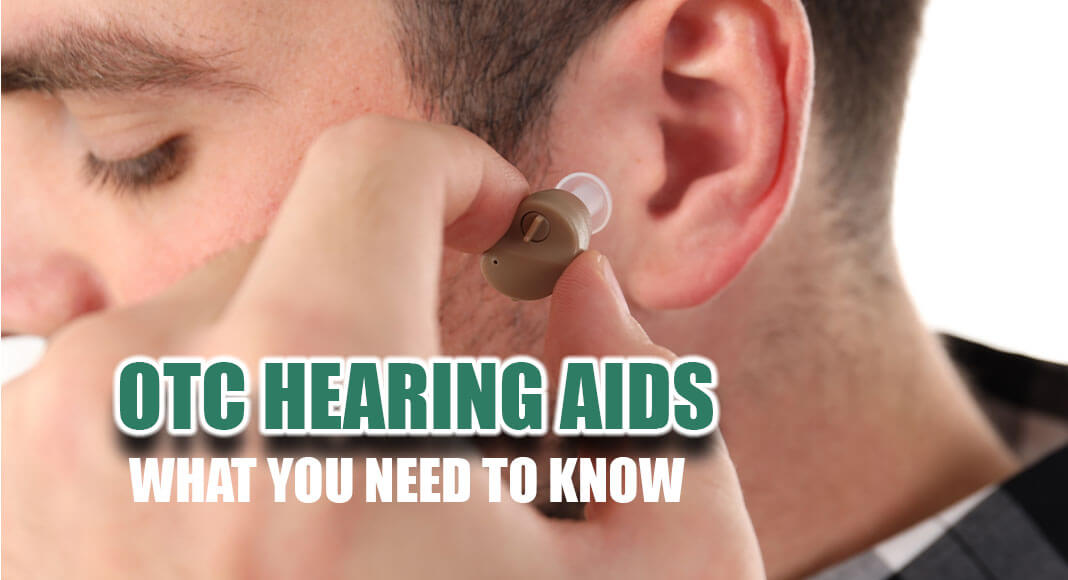
CLEVELAND CLINIC – The FDA recently approved over-the-counter hearing aids, which could become available in stores as early as mid-October.
80% of people with hearing loss haven’t yet tried to improve it and the introduction of these hearing aids aims to change that statistic.
“We have been anticipating the release of these regulations for probably six years, maybe a little bit longer,” said Sarah Sydlowski, MD, audiologist for Cleveland Clinic and president of the American Academy for Audiology. ”It’s something that came on to the radar of legislators and regulators quite a long time ago, and the focus has been on improving accessibility and affordability of hearing care.”

She said the new over-the-counter hearing aids are designed for individuals 18 and older with perceived mild or moderate hearing issues.
Those interested will not be required to have a medical exam or prescription before buying them.
However, Dr. Sydlowski still recommends seeing an audiologist for a hearing test so you can learn more about what kind of hearing difficulties you may have, as well as the various treatment options available.
“I think over-the-counter devices are going to be a wonderful option for people who aren’t ready to take that big step to fully understand their hearing loss or to see an audiologist in order to have a prescription device programmed,” she said. “So, this will be a great way for people to maybe have an entry point and then when they’re having more difficulty or the device isn’t providing the benefit they need, they can come see an audiologist.”
Dr. Sydlowski notes that while this is an exciting development, she still thinks more needs to be done to raise awareness about hearing loss.
Although it’s one of the top three most common health conditions, a recent study showed only about 10% of older adults between the ages of 50 and 80 were able to properly identify what’s considered a “normal” range of hearing.
A related study also found many primary care providers don’t know that hearing loss can be both prevented and successfully improved.


