





loader image
Saturday, December 13, 2025
72.6 F
McAllen
- Advertisement -

Obesity May Increase Risk of Long-term COVID-19 Problems

Translate to Spanish or other 102 languages!

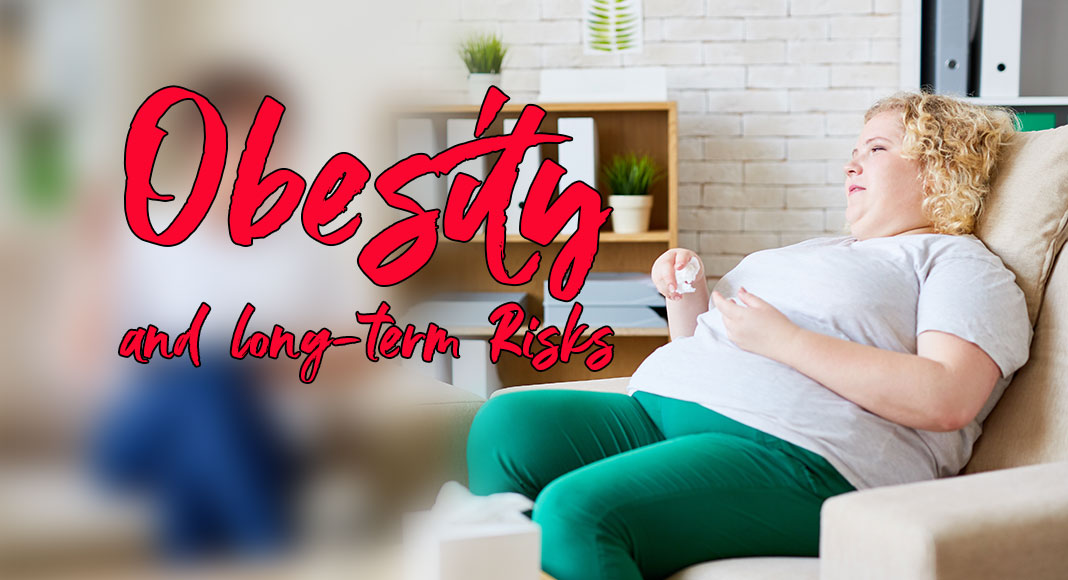
According to recent Cleveland Clinic research, the risk for long-term COVID-19 complications may be higher for those who suffer from obesity. Image for illustration purposes

Mega Doctor News

- Advertisement -

Cleveland Clinic – Some COVID-19 survivors can struggle with lingering medical problems for months.

According to recent Cleveland Clinic research, the risk for these long-term COVID-19 complications may be higher for those who suffer from obesity.

“Patients who had moderate or severe obesity had 30% greater risk of developing these chronic consequences of disease,” said lead author Ali Aminian, MD, of Cleveland Clinic.

- Advertisement -

Dr. Aminian and his team studied a registry of nearly 3,000 people who survived COVID-19 and followed them until January 2021.

Results show chronic complications from COVID-19 are extremely common — about 40% of people who survived the disease had subsequent chronic problems.

Results also show risk for hospital admission after the initial phase of COVID-19 was about 30% higher in people with moderate-to-severe obesity.  

Other studies have shown obesity as a risk factor for developing a severe form of COVID-19 that may require hospital admission, intensive care, and ventilator support in the early phase of the disease.

- Advertisement -

Dr. Aminian said the best way to avoid COVID-19 and the chronic problems that may follow is vaccination.

“We know vaccines are extremely effective in protecting patients with obesity to reduce their risk of contracting disease. So, knowing that these patients are at greater risk for developing complications, we can say that vaccines are essential in these patients, so we need to encourage patients with obesity to get vaccinated,” he explained.

Dr. Aminian’s research is ongoing as he looks to determine the type of long-term follow-up care people with obesity need after a COVID-19 infection.

Complete study results can be found in the Journal of Diabetes, Obesity and Metabolism.

- Advertisement -
- Advertisement -

- Advertisement -

More Articles

Watercress A Nutrient-Dense Leafy Green

Watercress is a leafy green that naturally grows in clean, slow-moving water and belongs to the same plant family as mustard greens, kale, and cabbage. It has a mild, peppery taste and can be eaten raw or cooked in many different meals.

STHS Children’s Receives Visit From Trooper Santa

For the second year in a row, the Texas DPS Troopers Foundation helped spread holiday cheer to hospitalized patients at STHS Children’s during meet & greet with Trooper Santa.

Paxton Sues Medical Records Giant for Blocking Data and Parental Access

Attorney General Ken Paxton filed a lawsuit against Epic Systems Corporation (“Epic”) for their unlawful monopolization of the electronic health records industry and for engaging in deceptive practices that restrict parental access to their minor children’s medical records.

UT Health San Antonio Advances Neurological Care

While much of the focus of tomorrow’s opening of UT Health San Antonio’s Center for Brain Health deservedly is on Alzheimer’s disease, it also marks a major step forward for families as a transformational resource for individuals and families navigating a wide spectrum of neurological and neurodegenerative conditions. Those include complex and rare diseases such as amyotrophic lateral sclerosis (ALS) and frontotemporal dementia (FTD).
- Advertisement -
×

