


Mega Doctor News

CLEVELAND CLINIC – June is National Cancer Survivor Month. Research shows there are more than 18 million cancer survivors in the United States.
So, what can those individuals do to help stay healthy?
“Nutrition plays a very important role for our cancer survivors, depending on when your treatment was, nutrition can be helpful with recovery and symptom management,” explained Paige Welsh, RD, registered dietitian for Cleveland Clinic. “And then as you move away from treatment, nutrition is one aspect that you, kind of, get to be in control of to reduce your risk of recurrent cancer in the future.”
Welsh said if you just finished cancer treatment, it’s important to add more protein to your diet – at least 20 grams for most people.
And it should be high quality protein from sources like meat, soy and beans.
Try to skip any processed meats.
Welsh explains that the extra protein will aid in your body’s recovery.

Staying hydrated is also crucial.
She recommends drinking 64 ounces of water a day.
Added sugars and alcohol should be limited as well; less is best.
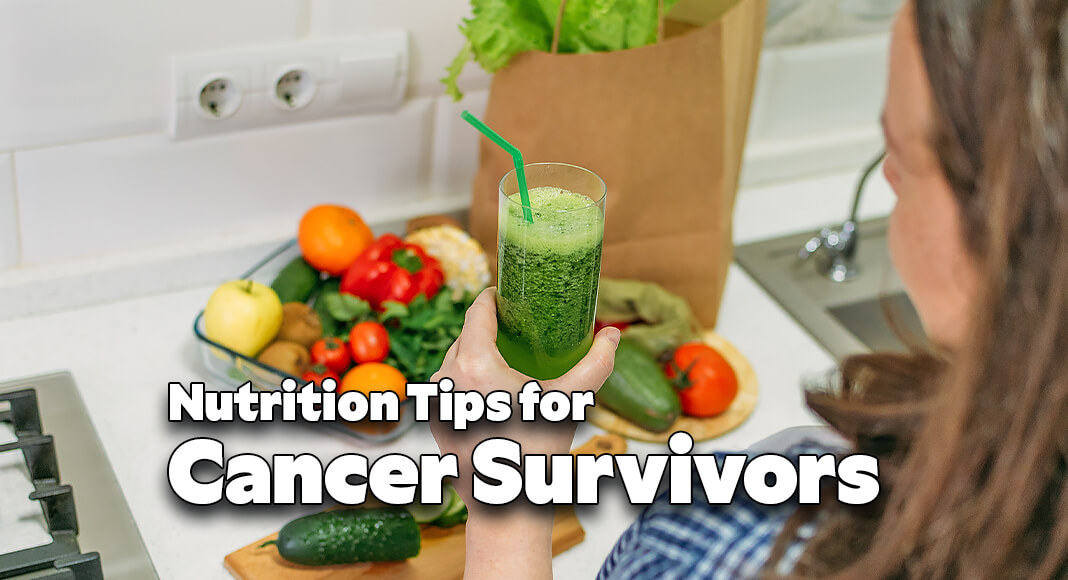
Once you get farther out from treatment, protein remains essential, but so does eating different colored foods.
“The reason for that is each color family has different types of nutrients that are naturally present. We call those antioxidants and phytonutrients,” she said. “And what those are going to do is they’re going to help protect your cells, they’re going to help protect your DNA, and they’re going to help keep free radicals at bay, which we know can produce a cancer-thriving environment.”
Welsh often advises her patients to cook at home more, so you have better control over the types of ingredients you’re using.
She also encourages people to stay active, and that doesn’t necessarily mean going to the gym.
There are other ways to exercise, like taking a long walk or even gardening.