







Mega Doctor News

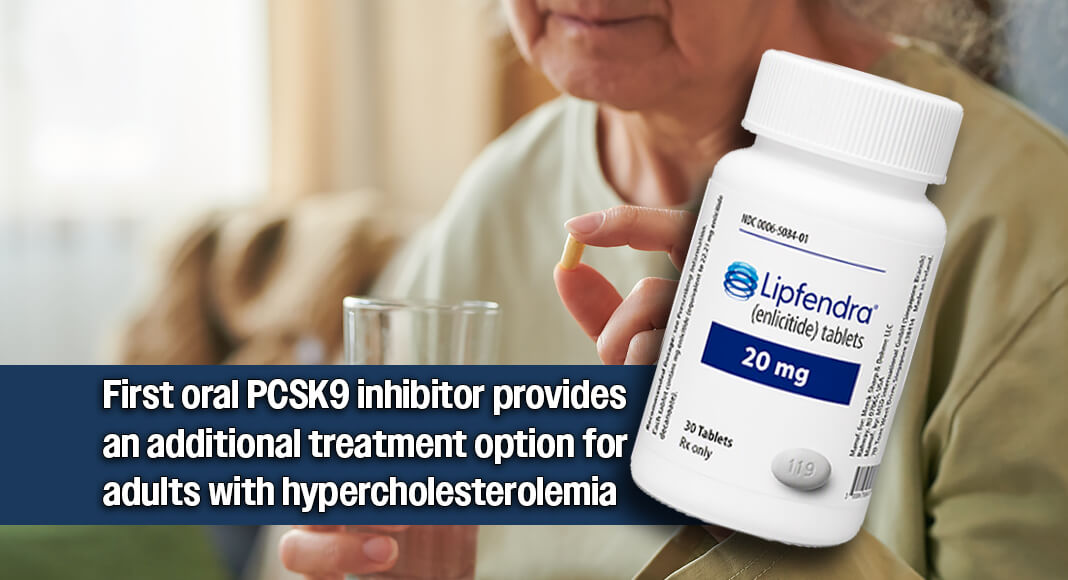
The U.S. Food and Drug Administration approved Lipfendra (enlicitide), the first oral inhibitor of proprotein convertase subtilisin/kexin type 9 (PCSK9), as an adjunct to diet and exercise to reduce low-density lipoprotein cholesterol (LDL-C), or “bad” cholesterol, in adults with hypercholesterolemia, including those with heterozygous familial hypercholesterolemia (HeFH).
PCSK9 inhibitors have previously been available only as injectable therapies. Lipfendra is administered as a once-daily oral tablet and provides an additional treatment option for adults who require further LDL-C reduction despite existing therapies. The approval also reflects continued advances in the development of therapies for chronic cardiovascular disease management.
“Cardiovascular disease remains the leading cause of death in the United States, and elevated LDL cholesterol is one of its most important modifiable risk factors,” said Michael Davis, M.D., Ph.D., Acting Director of the FDA’s Center for Drug Evaluation and Research. “This approval provides an additional treatment option for adults with hypercholesterolemia and reflects the FDA’s broader commitment to supporting meaningful advances in patient access and tackling chronic diseases.”

Hypercholesterolemia occurs when there is too much LDL-C in the blood. Over time, excess LDL-C can accumulate within the walls of arteries, contributing to the formation of plaques that narrow blood vessels and restrict blood flow. If a plaque ruptures, it can trigger the formation of a blood clot, increasing the risk of heart attack or stroke. Because high cholesterol typically causes no symptoms, many people are unaware they have the condition until it is detected through routine blood testing. Diet, physical inactivity, excess body weight, and inherited genetic conditions can all contribute to elevated cholesterol levels.
Several classes of medications are available to lower LDL-C, including statins, ezetimibe, and injectable PCSK9 inhibitors. Lipfendra is the first oral therapy to inhibit PCSK9.
The efficacy and safety of Lipfendra were evaluated in two randomized, double-blind, placebo-controlled clinical trials involving 3,207 adults with hypercholesterolemia, including patients with and without HeFH, who were receiving maximally tolerated statin therapy. The primary endpoint in both studies was the percent change in LDL-C from baseline to Week 24 compared with placebo.
In the first trial, which enrolled adults with established atherosclerotic cardiovascular disease (ASCVD) or those at high risk for ASCVD, participants had a mean baseline LDL-C of 96 mg/dL. Treatment with Lipfendra resulted in an average 56% reduction in LDL-C at Week 24 compared with placebo.
In the second trial, which enrolled adults with HeFH, participants had a mean baseline LDL-C of 119 mg/dL. Treatment with Lipfendra resulted in an average 59% reduction in LDL-C at Week 24 compared with placebo.
In the first trial, the frequency of adverse reactions was similar between patients treated with Lipfendra and those receiving placebo. In the second trial, the most common adverse reactions occurring more frequently with Lipfendra than placebo were diarrhea and dizziness. Across both trials, discontinuation rates due to adverse reactions were comparable between the Lipfendra-treated and placebo-recipient groups.
Lipfendra received Priority Review for this indication. The application was also reviewed under the Commissioner’s National Priority Voucher (CNPV) pilot program, which is intended to help accelerate the review of therapies that address national public health priorities.
The approval was granted to Merck Sharp & Dohme LLC.
Information source: U.S. Food and Drug Administration


