
Mega Doctor News

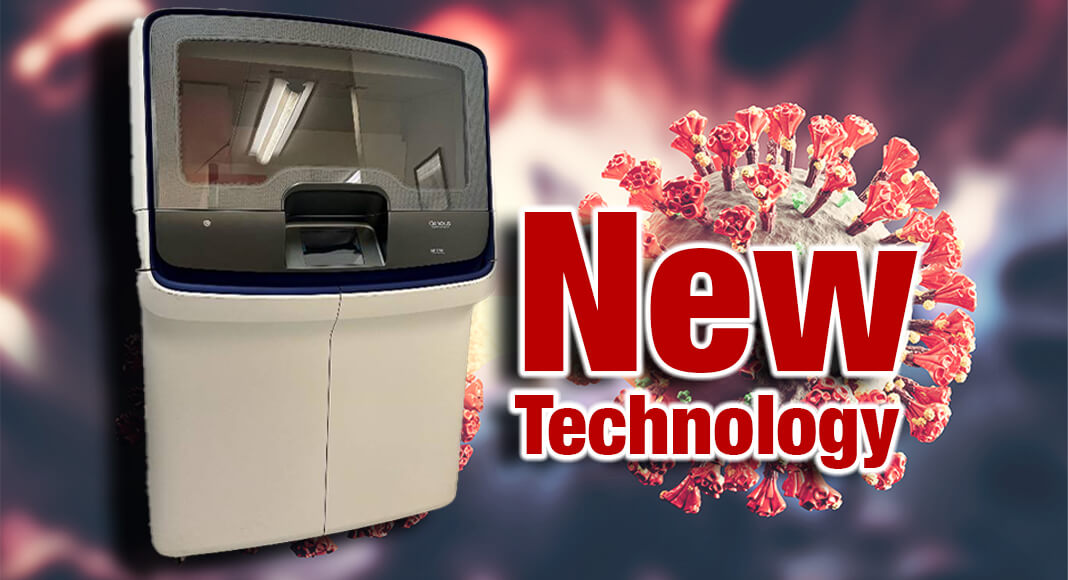
LAREDO, Texas – The City of Laredo Health Department acquired new technology, Ion Torrent Genexus Integrated Sequencer, a New Generation Sequencer (NGS) that will help detect new variants and mutations in viruses like SARS-CoV-2.
The (NGS) is capable of classifying substantial volumes of DNA in parallel. The sequencer is able to successfully detect any pathogen – bacteria, fungal and virus– making it relevant in several medical laboratory disciplines. In short, the new sequencing technology can read and assess an array of DNA data in an efficient matter. In addition, this new technology provides an advanced workflow improving the reproducibility of results and increasing the efficiency of the work done by our laboratory.
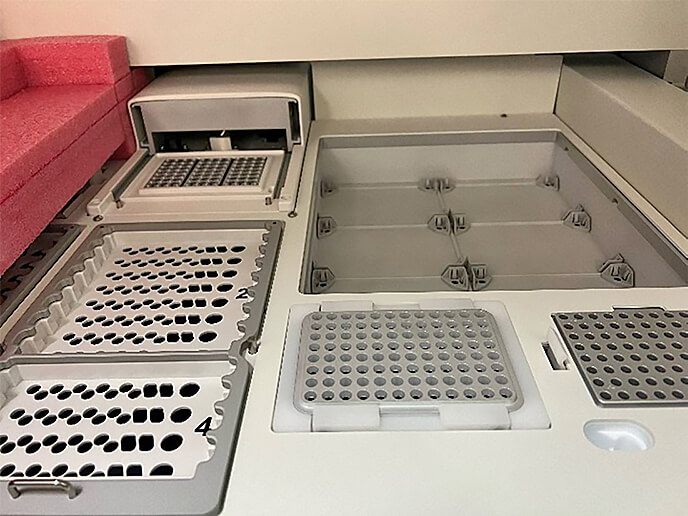
Due to the virus’s mutation nature, new variants emerge every so often, and the fear of variants going undetected is a worry for our community. Detecting these variants promptly is crucial for epidemiological surveillance and studies. With this technology, the Laredo Health Department will be able to efficiently report newly detected variants with an approximate 24-hour turnaround rate per sample processed. In addition, the sequencer will create a collaboration with the Texas Department of State Health Services and other health departments in the area.

“The City of Laredo Health Department is committed to serving the Laredo and south Texas communities, says Raul Soto, Chief of Laboratory Services at the health department. “Having access to this sequencer allows the health department to better serve patients by identifying not only possible COVID-19 variants but other pathogens as well.” Richard A. Chamberlain, DrPH, MPH, RS, Health Director, shared his excitement to bring this new innovation to Laredo, “We are the first in south Texas to acquire this technology which will not only benefit our community but our entire region of south Texas.”
The key benefits of the NGS are:
· Identifying variants of concern
· Increasing epidemiological surveillance
· Detecting and isolating individuals of public health concerns.
It is important to note that not all data collected by our lab will be sequenced because all samples must meet a critical threshold in order to run through the sequencing machine. The City of Laredo Health Department will run as many sequences as possible.
The device will tentatively be ready to begin to provide data in January 2022.