








loader image
Monday, February 9, 2026
60.4 F
McAllen
- Advertisement -

Neurologist Debunks Brain Health Myths

Translate to Spanish or other 102 languages!

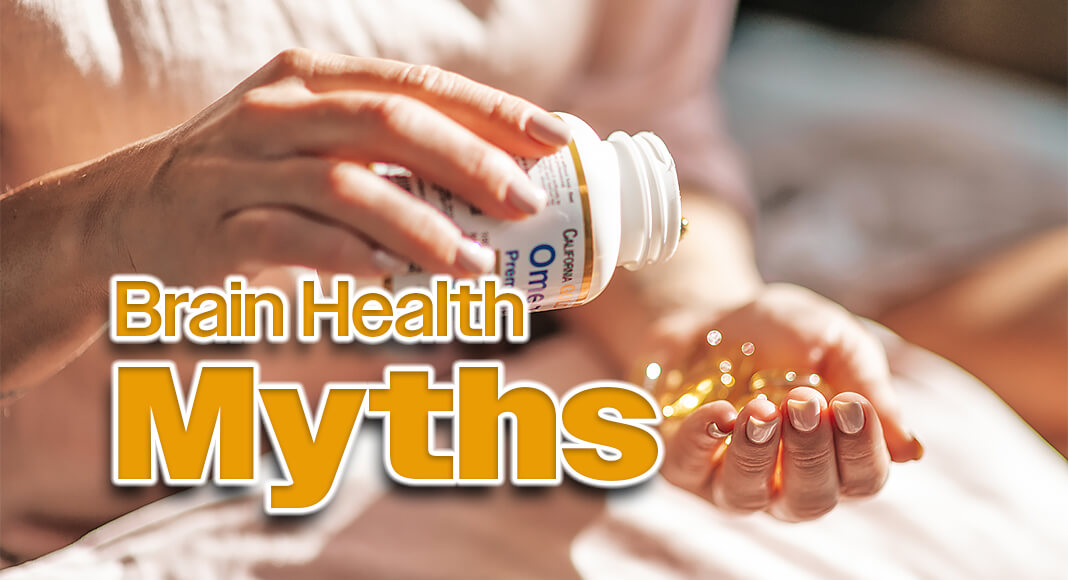
For those looking to improve their brain health, you may want to think twice about buying supplements that claim to do just that. Image for illustration purposes
- Advertisement -

CLEVELAND CLINIC – For those looking to improve their brain health, you may want to think twice about buying supplements that claim to do just that.

“There are no supplements that have been proven to preserve brain health. One of the ways to really think about brain health is that you want to try and come as close to nature as you can,” said Dylan Wint, MD, neurologist at Cleveland Clinic.

Dr. Wint said omega-3 fatty acids, for example, are touted as beneficial for brain health.

- Advertisement -

And while you could buy supplements containing omega-3’s, research shows it’s better to get them from food sources instead, like salmon or flaxseed.

And speaking of diet, Dr. Wint said some people may think it’s harmless to eat large amounts of red meat, but that’s not completely true.

Studies have found that high levels of red meat consumption can increase a person’s risk for dementia.

He notes that meat may not be inherently bad for you, but too much of it can be tough on our bodies.

- Advertisement -

“High amounts of red meat contain high amounts of saturated fats. Red meat and processed red meat may also, as we digest them, give off waste products, that are toxic to the brain,” said Dr. Wint. “And red meats and processed meats also can be loaded up with salt, which can increase problems with high blood pressure.”

Another brain health myth Dr. Wint often hears is that you can only get Alzheimer’s and other kinds of dementia if it runs in your family.

He said genetics can play a role, but it’s not the only factor.

Lifestyle matters too, which is why it’s important to keep a healthy diet, exercise and avoid bad habits like smoking and drinking alcohol.


- Advertisement -
- Advertisement -

- Advertisement -

More Articles

Inside the Physiology and Neuroscience of Winter Olympians

What makes Olympians the very best at what they do — even in cold, slippery or icy conditions? 

Study Finds 60% of American Women Choose Clinic Visits Over At‑Home Cervical Screening

American women now have the option of screening for cervical cancer at home, using newly approved self-collection tools. While experts hope this will increase uptake in the under-screened population, a first-of-its kind study by researchers from The University of Texas MD Anderson Cancer Center found the majority (60.8%) still prefer to see a medical professional in-clinic.

Food Safety Tips for a Healthy Super Bowl Sunday

Super Bowl parties often feature takeout, delivery and foods that are served over several hours. To help prevent foodborne illness, the U.S. Department of Agriculture’s (USDA) Food Safety and Inspection Service (FSIS) is reminding fans to keep food safety in play on game day.

FDA Updates Guidance on “No Artificial Colors” Labels as Natural Options Expand

The U.S. Food and Drug Administration took additional steps to support the transition of our nation’s food supply from the use of artificial petroleum-based colors to alternatives derived from natural sources. Companies will now have flexibility to claim products contain ‘no artificial colors’ when the products do not contain petroleum-based colors. In the past, companies were generally only able to make such claims when their products had no added color whatsoever — whether derived from natural sources or otherwise
- Advertisement -
×
