







Managing Diabetes During the Holidays

Translate to Spanish or other 102 languages!

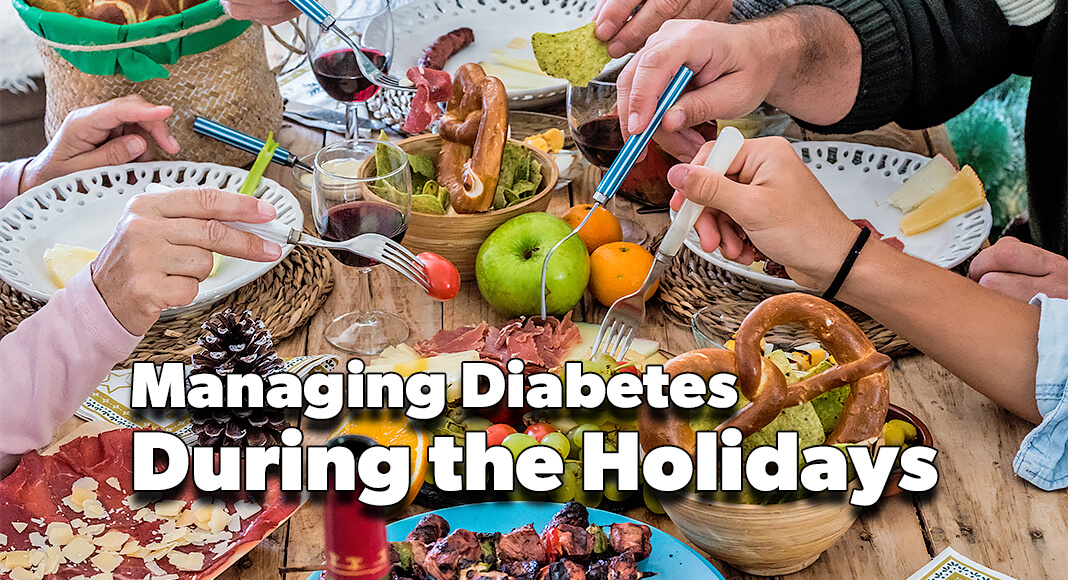
People with diabetes can still enjoy holiday dining by making some smart food choices and staying hydrated. Image for illustration purposes
- Advertisement -
People with diabetes can still enjoy holiday dining by making some smart food choices and staying hydrated: 
Choose protein and fiber: Prioritize lean proteins like turkey, chicken and fiber-rich produce like avocados and beans.
Make substitutions: Swap out higher-carb foods with healthier options. For example, you can use mashed cauliflower instead of mashed potatoes, or roasted vegetables instead of green bean casserole. 
Control portion sizes: Use a smaller plate to save calories and fill half your plate with non-starchy vegetables. 
Drink water: Stay hydrated by drinking water, tea, or seltzer instead of sugary drinks. 
Be active: Start a new holiday tradition that involves physical activity, like a walk, game, or dance. 
Ask about the menu: If you’re a guest, call ahead to ask what’s being served. 
Plan ahead: Strategize and limit stress where you can. 
Enjoy the day: Try to enjoy the festivities and don’t stress about perfection. 
Monitor your blood glucose levels.

Information Source: Texas Tech University Health Sciences Center El Paso

- Advertisement -


- Advertisement -

- Advertisement -

More Articles

New Study Explores Ear Acupressure as Relief for Chemo-Induced Neuropathy

Mega Doctor News by UTHealth Houston Newswise — A small point on the ear could...

New Ways to Treat Endometriosis and Fibroids

Endometriosis and uterine fibroids are two of the most common gynecological conditions. While they have important differences, they also have things in common.

Nursing Job Turnover Reaches Historic Highs

Mega Doctor News by University of Michigan Newswise - The COVID-19 pandemic did not...

How Sleepy Days and Restless Nights Damage Your Blood Pressure

A new study from Penn State College of Medicine to be presented at the SLEEP 2026 annual meeting found that excessive daytime sleepiness is associated with higher odds of both prevalent and incident hypertension, and taking 30 minutes or longer to fall asleep further increases that risk.
- Advertisement -


