








Know the dangers of carbon monoxide poisoning

Translate to Spanish or other 102 languages!

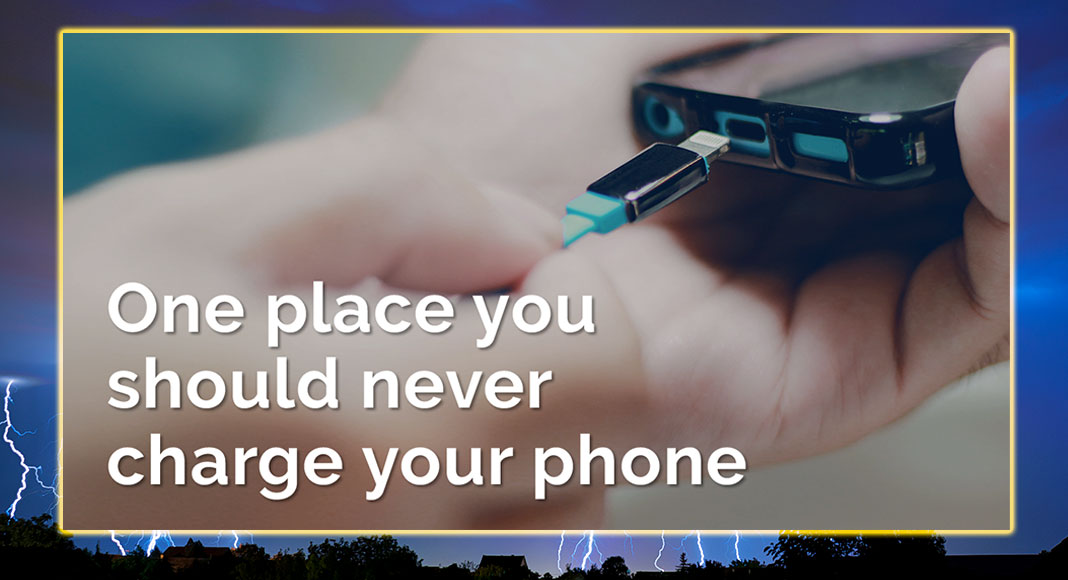
It may be tempting to use a running car or truck to charge your phone, but never do that when your vehicle is in a garage. Image for illustration purposes.

Mega Doctor News

- Advertisement -

Cell phones and other devices are a big help in a weather emergency. They give you a quick way to check in with friends and relatives or call for help. But if the power’s out and your battery is low, be careful where you recharge your devices.

It may be tempting to use a running car or truck to charge your phone, but never do that when your vehicle is in a garage. Most engines put out carbon monoxide, a deadly gas you can’t see or smell.

A running car can create enough carbon monoxide build-up to kill you, even if the garage door is open. Wind can blow carbon monoxide back into your garage, or even inside your house if doors, windows, or vents are open.

- Advertisement -

If you can do so safely, move your vehicle out of the garage and away from your home. Then it’s OK to start the engine and recharge your phones and devices in the vehicle.

Be careful when you use generators and other sources of carbon monoxide as well.

- Advertisement -
- Advertisement -

- Advertisement -

More Articles

$5.5 Million in Grants Awarded to Expand Texas Healthcare Services

Three Statewide Preceptorship Program (SPP) grants were awarded totaling $5.5 million to professional medical societies in Texas. The grants support hands-on training for Texas medical students in family medicine, general internal medicine, and pediatrics, including pediatric subspecialties. 

STHS Shares Essential Summer Food Safety Tips

Because most foodborne illnesses are preventable, proper food safety practices are key to keeping every summer meal safe.

DHR Health Transplant Institute Earns Top State and National Rankings

The DHR Health Transplant Institute announced today that it has been recognized among the state’s and nation’s top performing kidney transplant centers, earning the no. 2 ranking in the State and no. 16 ranking in the Nation, according to the Scientific Registry of Transplant Recipients (SRTR).  

New Noninvasive Tech Tracks Infant Vital Signs Without Wires

In the neonatal intensive care unit, the most fragile patients in medicine are often the most heavily wired. Premature babies, some weighing less than a pound, can be tethered to a tangle of cables, monitors, and sensors. Each blood draw to check sugar levels or electrolytes means another needle, another bandage, another moment of stress for an infant whose skin is still forming.
- Advertisement -

